
7 min read · Last updated August 24, 2026
- Florida law blocks an insurer from refusing to renew a policy solely for roof age if the roof is under 15 years old, and even past 15 years, an inspection showing 5 or more years of remaining useful life can stop the nonrenewal.
- The inspector has to be one your insurer accepts, not just any state-licensed contractor. Florida’s 2024 update added roofing contractors to that approved list; it didn’t create the underlying rebuttal right, which already existed.
- Texas, North Carolina, and Colorado give homeowners a notice period and a stated reason, and nothing else. None of the three has a state rebuttal right if a carrier decides your roof’s age is a problem.
- Florida’s nonrenewal notice period is 120 days, and there’s no separate statutory deadline just for the inspection. Whatever’s left of those 120 days is the practical window to act in.
In this article
- The Florida rule, in the statute’s own words
- What actually happens when you invoke it
- How other states compare
- If your state offers no rebuttal right
- Frequently asked questions
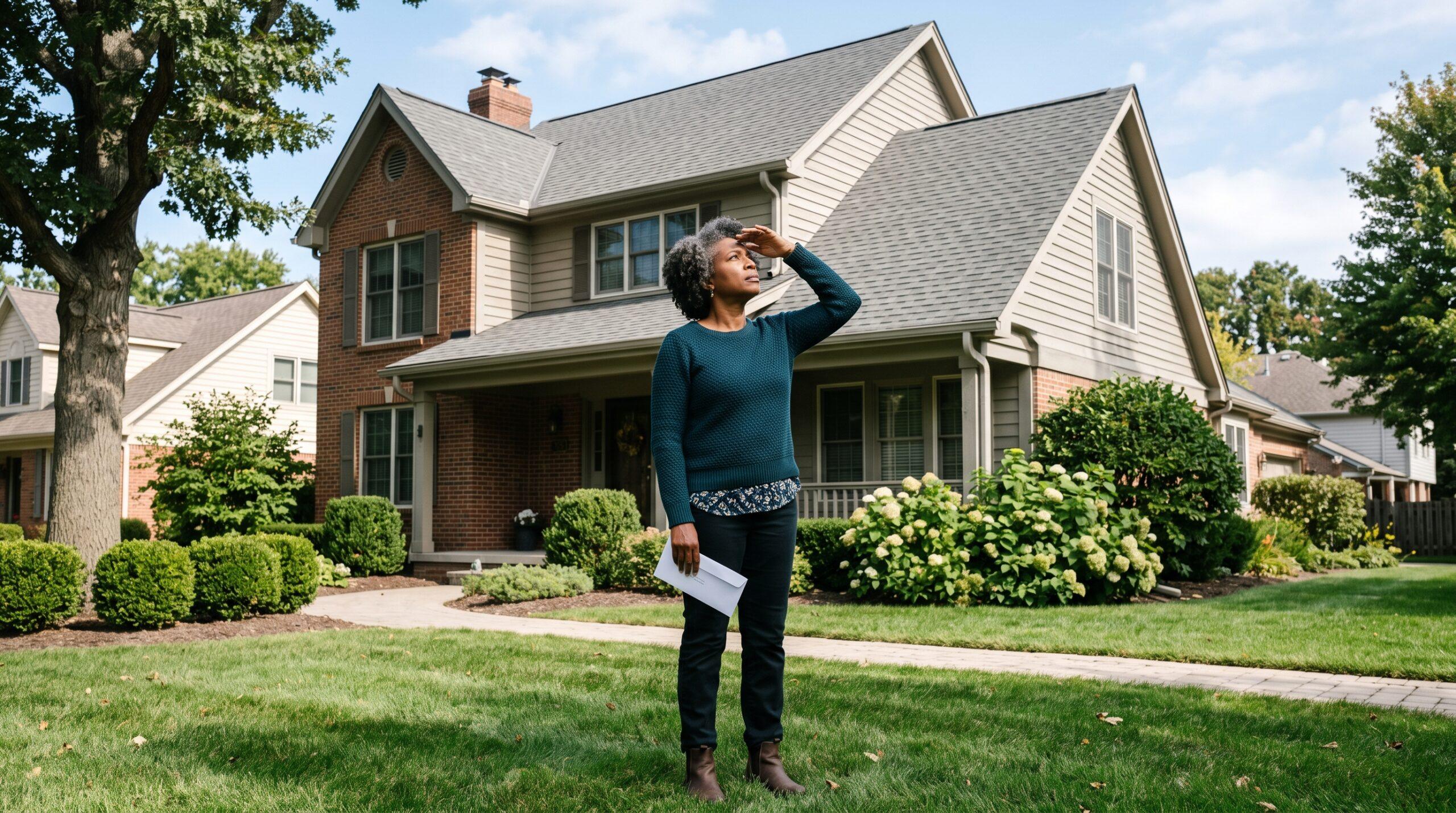
Renata’s insurer mailed a 120-day nonrenewal notice this month, citing her roof’s age at 16 years. In Florida, one inspection showing 5 or more years of useful life left can cancel that reason out entirely. In Texas, the identical letter has no rebuttal at all.
The Florida rule, in the statute’s own words
Florida Statute 627.7011 gives homeowners a real, two-part protection. Under 15 years old, an insurer “may not refuse to issue or refuse to renew a homeowner’s policy insuring a residential structure with a roof that is less than 15 years old solely because of the age of the roof.” Past 15 years, the insurer still can’t nonrenew for age alone “if an inspection of the roof… performed by an authorized inspector indicates that the roof has 5 years or more of useful life remaining.”
The catch is in who counts as an “authorized inspector.” The statute lists home inspectors, building code inspectors, licensed contractors, roofing contractors, professional engineers, and architects, but every category is qualified by one clause at the top of the list: the inspector must be “approved by the insurer.” You can’t simply hire any state-licensed contractor and expect the report to count. Florida’s 2024 update, House Bill 1611, gets credited with more than it actually did here: reading the enrolled bill directly, its only change to this statute was adding “or a roofing contractor” to the approved-inspector list. The other categories, including the general rebuttal right itself, already existed in the law before 2024.
What actually happens when you invoke it
The homeowner pays for the inspection. The statute doesn’t prescribe a specific form, so each insurer sets its own, and the insurer reserves the right to make the final call on the roof’s overall insurability, including how much useful life it actually has left. Florida’s state-created insurer of last resort, Citizens Property Insurance Corporation, publishes a comparable roof-age exception process for its commercial lines, requiring its own inspection form and describing the exception as granted only on a one-time basis. Its residential process isn’t published in the same level of detail, which is itself worth knowing: don’t assume your carrier’s exact form or review standard until you ask.
There’s no statutory deadline for the insurer to respond and no built-in dispute process if your inspector’s conclusion and the insurer’s own reviewer disagree. What you do have is a notice window: Florida Statute 627.4133 requires at least 120 days’ written notice before a nonrenewal takes effect, and that notice has to state the reason. Nothing in Florida law carves out separate extra time just for the inspection, so whatever is left inside those 120 days, starting the day the notice arrives, is the real window to get it done.
One more distinction matters. The statute’s protection only applies when age is the sole reason. If an inspection turns up documented damage, missing shingles, or active leaks, that’s an independent ground that can support a nonrenewal even alongside a favorable useful-life finding. A good inspection report can rebut age. It can’t rebut damage the same report also finds.
How other states compare
Florida’s mechanism is closer to the exception than the rule. A same-day check of three other states found no comparable rebuttal right at all.
| State | Roof-age nonrenewal protection | Homeowner’s rebuttal option |
|---|---|---|
| Florida | Cannot nonrenew solely for age under 15 years; past 15 years, a favorable useful-life inspection blocks it | Insurer-approved inspection showing 5+ years of remaining useful life |
| Texas | 60 days’ notice and a stated reason required; no age threshold in the statute | None |
| North Carolina | 45 days’ notice and a stated reason required; no enumerated restricted grounds | None |
| Colorado | 60 days’ notice and a stated reason required (extended from 30 days in 2023); no age threshold | None |
| Louisiana | Insurers cannot rely solely on aerial imagery older than roughly 24 months to justify a nonrenewal | Fresher inspection or documentation showing current condition, but this is an imagery-age rule, not a roof-age one |
Nonrenewals broadly are climbing everywhere, not just in Florida. The National Association of Insurance Commissioners (NAIC) found that company-initiated nonrenewals per 1,000 policies rose in every U.S. region since 2018, with increases ranging from 96% to 216% depending on the zone. That report doesn’t isolate roof age as a cause, but it confirms the backdrop: a nonrenewal letter is a more common piece of mail than it used to be, in every state on this list.
A handful of other states are moving. Oklahoma’s insurance department announced in December 2025 that a Florida-style age threshold and useful-life rebuttal will be part of its 2026 legislative push, but as of this writing, that’s a proposal, not law. Don’t rely on it, and don’t assume your state is drafting something similar just because one neighbor is.
If your notice cites roof age and you’re in Florida, see how the age threshold interacts with your renewal at year 15 specifically, and if the real issue is that your coverage limits haven’t kept pace with your rebuild cost, work through whether your dwelling limits are too low before your next renewal.
If your state offers no rebuttal right
Texas, North Carolina, and Colorado homeowners aren’t entirely without options, they just don’t have a statutory one. You can still commission your own inspection and submit it voluntarily. An insurer with no legal obligation to accept it may still choose to, especially if your carrier would rather keep a well-documented, well-maintained roof on the books than lose the premium. File a complaint with your state’s insurance department if the stated reason looks pretextual for a different, undisclosed one. And before your next renewal, run the same coverage-adequacy check you’d want to run anyway, since a nonrenewal fight and an underpriced policy are often the same underlying problem showing up two different ways.
Frequently asked questions
Can my insurer really cancel my policy just because my roof is old? It depends entirely on your state. Florida bars a nonrenewal based solely on roof age under 15 years old, and offers an inspection-based rebuttal past that threshold. Texas, North Carolina, and Colorado require notice and a stated reason, but nothing in their statutes stops age alone from being that reason.
What counts as an “authorized inspector” in Florida? A licensed home inspector, building code inspector, general or roofing contractor, professional engineer, or architect, but every category on that list also requires the insurer’s own approval. Hiring any state-licensed inspector on your own doesn’t guarantee your carrier will accept the resulting report.
How long do I have after a nonrenewal notice to respond? In Florida, the written notice itself has to arrive at least 120 days before the nonrenewal actually takes effect. There’s no separate statutory deadline carved out just for the inspection, so treat whatever time remains inside that full 120 days as your real, practical window.
Does a good roof inspection protect me if there’s also visible damage? No. Florida’s protection only applies when roof age is the sole stated reason for the nonrenewal. Documented damage, missing shingles, or active leaks are treated as an independent ground an insurer can still act on, even sitting alongside an otherwise favorable useful-life inspection.
What if my state has no roof-age rebuttal law? You can still submit a voluntary inspection on your own, since some insurers will consider one even without any legal requirement to. File a complaint with your state insurance department if the stated reason looks pretextual, and check your coverage limits at renewal time too.


Leave a Reply