
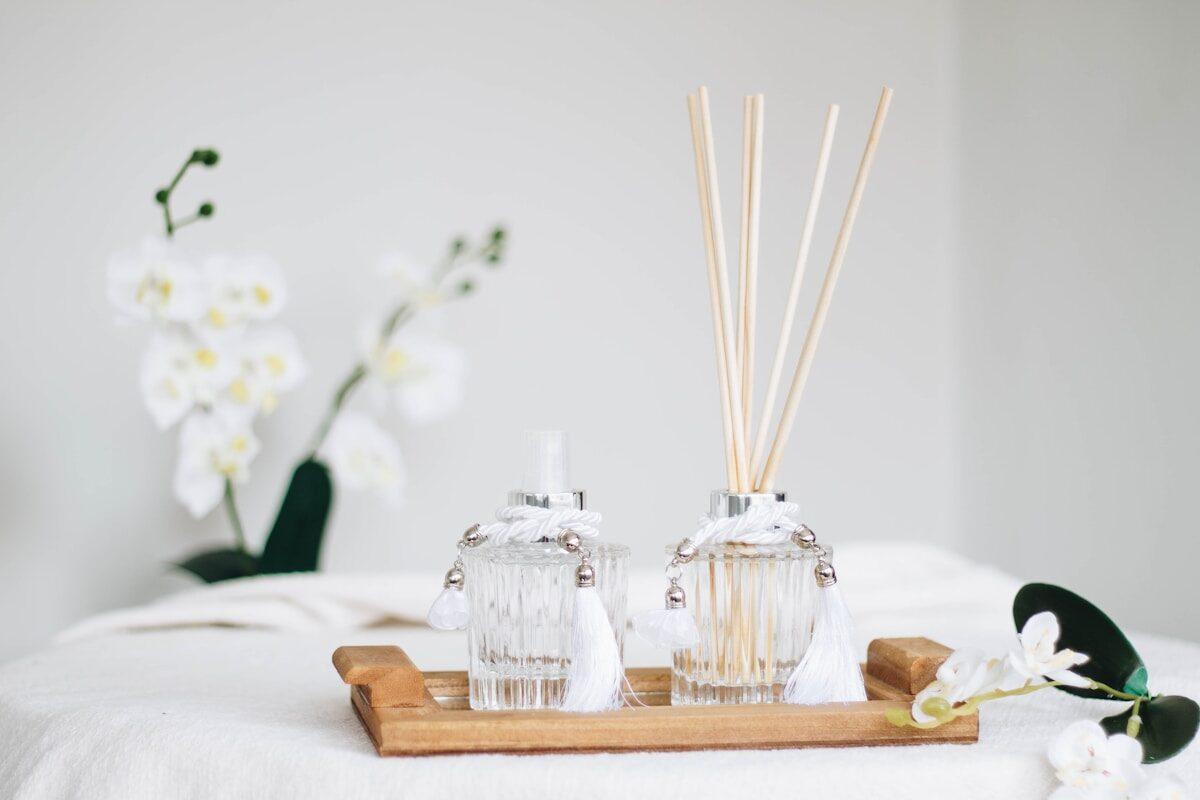
Think about the feeling of walking into a room that instantly calms you. The lighting feels soft, the air is fresh, and the atmosphere encourages you to slow down. That is the power of a wellness space. It is not about luxury or expensive design; it is about creating an environment that supports your health, mood, and daily routine. With a few intentional choices, you can transform any corner of your home into a sanctuary that helps you recharge.
Daily life is filled with stressors. Work, family responsibilities, and constant notifications can leave you drained. A wellness space provides balance. It is a place where you can breathe, reflect, and reset. Having a dedicated area for relaxation or mindfulness makes it easier to prioritize self‑care. Instead of waiting for vacations or spa days, you bring wellness into your everyday routine.
Choosing the Right Location
The first step is deciding where to create your wellness space. It does not have to be large. A spare room, a quiet corner, or even a section of your living area can work. The key is choosing a spot that feels separate from daily distractions. Natural light is ideal, but if that is not possible, soft artificial lighting can create a similar effect. The location should feel inviting and easy to access so you are encouraged to use it regularly.
Setting the Atmosphere
Atmosphere is everything. Start with colors that promote calmness, such as soft greens, blues, or neutrals. Add textures that feel comfortable, like cozy blankets or smooth wooden surfaces. Lighting should be adjustable to match your mood. Candles, dimmers, or warm bulbs create a soothing environment. Sound also plays a role. Consider gentle background music, nature sounds, or silence depending on what helps you relax.
Incorporating Nature
Nature has a powerful effect on wellness. Plants, natural materials, and sunlight all contribute to a healthier environment. Adding greenery improves air quality and creates a sense of calm. Wooden furniture, stone accents, or woven baskets bring natural elements indoors. These touches remind you of the outdoors and help reduce stress. In fact, indoor plant benefits go beyond aesthetics, offering cleaner air, improved mood, and a stronger connection to nature that makes your wellness space feel alive and restorative.
Personalizing Your Space
A wellness space should reflect your personality. Add items that inspire you, such as artwork, photographs, or meaningful objects. If meditation is part of your routine, include a cushion or mat. If journaling helps you unwind, keep notebooks and pens nearby. Personal touches make the space feel authentic and encourage you to use it consistently.
Technology Boundaries
Wellness spaces work best when they are free from distractions. Limiting technology is essential. Avoid televisions, computers, or phones in this area. If you use technology for relaxation, such as guided meditation apps, keep devices minimal and intentional. The goal is to create a space where you can disconnect from constant notifications and focus on yourself.
Activities for Your Wellness Space
Your wellness space can serve multiple purposes. Meditation, yoga, stretching, or quiet reading are all excellent activities. Some people use the space for creative outlets like painting or writing. Others prefer simple relaxation, such as sipping tea or practicing deep breathing. The activities should align with your personal wellness goals. The space is flexible, designed to support whatever helps you feel balanced.
Maintaining the Space
Consistency is key. A wellness space should remain tidy and inviting. Regularly clean, refresh, and update the area. Rotate plants, change decorations, or adjust lighting to keep the space feeling new. Maintenance ensures the space continues to inspire you rather than becoming another cluttered corner.
Long Term Benefits
Creating a wellness space is not just about immediate relaxation. Over time, it builds healthier habits. You begin to associate the space with calmness and self‑care. This encourages regular use and strengthens routines that support mental and physical health. The benefits extend beyond the space itself, influencing how you handle stress and approach daily challenges.
Practical Tips
Here are a few tips to make your wellness space effective:
- Start small and expand gradually.
- Choose plants that are easy to care for.
- Use natural materials to enhance atmosphere.
- Keep the space free from clutter.
- Make it personal with items that inspire you.
These steps ensure your wellness space remains practical and enjoyable.
A wellness space transforms your daily routine by providing a sanctuary for relaxation and self‑care. Choosing the right location, setting the atmosphere, and incorporating nature are essential steps. Personal touches, technology boundaries, and consistent maintenance keep the space effective. Over time, this space builds healthier habits and saves you from stress. Creating a wellness space is not about luxury; it is about making your home a place that supports your well‑being every single day.


Leave a Reply