
Think about how much your heating and cooling system does for you every single day. It keeps your home comfortable through summer heat and winter chill, yet many homeowners forget that HVAC systems need regular care. Neglecting maintenance shortens the lifespan of equipment and leads to costly repairs. With consistent attention, you can extend the life of your system by years and save money along the way. Let’s walk through practical steps that make a real difference.
Consistency is the key to extending system life. Skipping maintenance one season may not cause immediate problems, but over time neglect adds up. Regular care builds habits that protect your investment. Homeowners who stay consistent enjoy fewer emergencies and lower costs.
Change Filters Regularly
Air filters trap dust, pollen, and debris, keeping indoor air clean. When filters clog, airflow is restricted and the system works harder. This increases energy use and wears down components. Replacing filters every one to three months is one of the simplest ways to protect your HVAC system. Clean filters improve efficiency, reduce strain, and keep your home healthier.
Schedule Professional Inspections
Annual inspections by a qualified technician are essential. Professionals check for leaks, worn parts, and potential hazards. They also clean coils, test airflow, and ensure the system is running efficiently. Inspections catch problems early before they become expensive repairs. Investing in yearly checkups adds years to your system’s life.
If a technician finds a repair beyond routine maintenance, cost is usually what stops homeowners from calling one in. USA.gov’s home-repair programs page lists legitimate assistance options rather than contractor marketing claims, and HUD’s home improvements page summarizes the federal programs available for a major HVAC repair.
Keep Vents Clear
Blocked vents reduce airflow and force the system to work harder. Furniture, rugs, or clutter can obstruct vents without you realizing it. Make sure vents are clear and open throughout your home. Balanced airflow keeps temperatures consistent and reduces strain on the system.
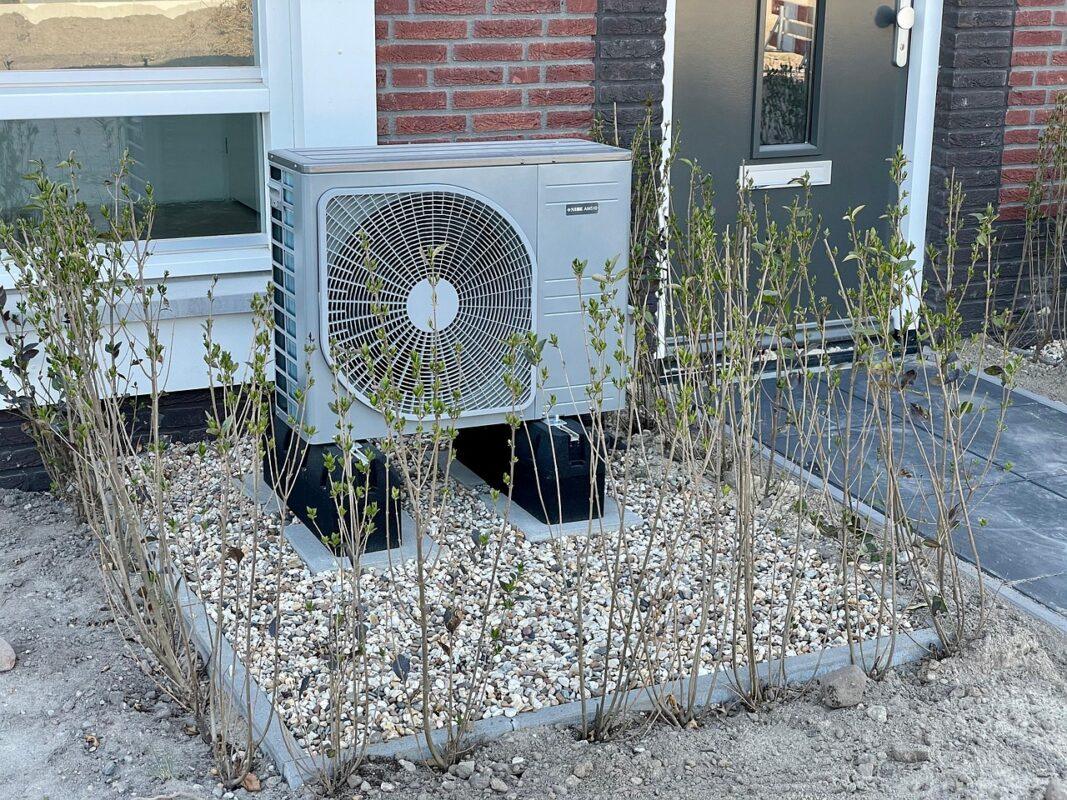
Clean Around Outdoor Units
Outdoor units collect dirt, leaves, and debris. These block airflow and reduce efficiency. Regularly clear the area around the unit, trimming plants and removing clutter. A clean unit operates more smoothly and avoids overheating. Simple outdoor care prevents unnecessary wear.
Monitor Thermostat Settings
Constantly adjusting the thermostat strains the system. Setting consistent temperatures helps maintain efficiency. Programmable or smart thermostats allow you to schedule heating and cooling based on your routine. This reduces unnecessary use and extends system life. Smart controls also save money by optimizing energy consumption.
Seal Ductwork
Leaky ducts waste energy and reduce efficiency. Sealing ducts ensures air reaches its intended destination without loss. Professional duct sealing improves performance and lowers utility bills. It also reduces dust and allergens circulating through your home. Healthy ducts mean a healthier HVAC system.
Protect Electrical Components
HVAC systems rely on electrical connections. Loose or damaged wiring can cause malfunctions or even safety hazards. Technicians check connections during inspections, but homeowners should also be alert to unusual sounds or smells. Addressing electrical issues quickly prevents damage to the system and keeps your home safe.
Manage Humidity Levels
Excess humidity strains HVAC systems and creates mold risks. Using dehumidifiers or adjusting settings helps maintain balanced humidity. Proper humidity control improves comfort and reduces wear on equipment. It also protects furniture, flooring, and walls from moisture damage.
Insulate Your Home
Poor insulation forces HVAC systems to work harder. Adding insulation in attics, basements, and walls reduces energy loss. This keeps temperatures stable and reduces strain on heating and cooling equipment. Insulation is a long‑term investment that pays off in lower bills and extended system life.
Listen for Warning Signs
Unusual noises, inconsistent temperatures, or rising energy bills often signal problems. Paying attention to these signs allows you to act quickly. Small issues like loose parts or clogged filters are easy to fix when caught early. Ignoring warning signs leads to bigger repairs and shorter system lifespan.
Keep Coils Clean
Evaporator and condenser coils collect dirt over time. Dirty coils reduce efficiency and force the system to work harder. Cleaning coils during inspections or as part of routine maintenance keeps performance high. Clean coils also improve indoor air quality.
Plan for Replacement Parts
Even with good care, parts eventually wear out. Planning for replacements like belts, motors, or fans ensures the system continues running smoothly. Replacing parts before they fail prevents sudden breakdowns. Proactive care keeps your HVAC system reliable year after year.
Practical Tips for Success
Here are a few simple steps to keep your HVAC system in top shape:
- Replace filters every one to three months.
- Schedule annual professional inspections.
- Keep vents clear of furniture and clutter.
- Clean around outdoor units regularly.
- Use programmable thermostats for efficiency.
- Seal ducts to prevent energy loss.
- Monitor humidity levels.
These habits are easy to adopt and deliver long‑term benefits.
Your HVAC system is one of the most important parts of your home, and it deserves regular care. Changing filters, scheduling inspections, sealing ducts, and cleaning coils are simple steps that extend system life. Following hvac maintenance tips consistently saves money, improves comfort, and prevents costly repairs. With proactive care, your system can last for years beyond its expected lifespan. A little attention today ensures reliable comfort tomorrow.
Frequently Asked Questions
How often should I change my HVAC filter?
Replace filters every one to three months depending on filter type, household occupancy, and whether you have pets. Clogged filters restrict airflow and force the system to work harder, which raises energy use and wears down components. A clean filter is the cheapest performance upgrade your HVAC system gets.
Do I really need annual HVAC inspections?
Yes. Annual inspections by a qualified technician catch leaks, worn parts, and potential hazards before they cause a breakdown. Technicians clean coils, test airflow, and verify the system is running efficiently. The cost of an inspection is a fraction of the cost of a peak-season emergency call.
Why does the outdoor unit need to stay clear?
Outdoor units collect dirt, leaves, and debris that block airflow and reduce efficiency. Trim plants back at least two feet from the unit, clear debris from the top and sides, and rinse the coils gently with a garden hose once a season. A clean unit operates smoothly and avoids overheating.
Are smart thermostats better for HVAC longevity?
Yes, because constantly adjusting the thermostat strains the system. Programmable or smart thermostats schedule heating and cooling around your routine, which reduces unnecessary cycling and extends component life. The energy savings are a separate benefit on top of the equipment longevity.
Should I seal my ductwork?
Yes, leaky ducts can lose twenty to thirty percent of heated or cooled air before it reaches the rooms. Sealing accessible joints with mastic or metal tape is a meaningful DIY project, and a pro can pressure-test the system to find hidden leaks. The improvement shows up immediately in temperature consistency and utility bills.