
7 min read · Last updated November 13, 2026
- The Environmental Protection Agency (EPA) sets 4 picocuries per liter (pCi/L), a measure of radon gas concentration in air, as the level at which you should fix your home, and says to consider fixing between 2 and 4 pCi/L too.
- A short-term test kit costs about $20 and a long-term kit about $30, lab analysis included, through university-run state radon programs.
- Minnesota’s health department flags any mitigation quote under $1,000 as a red flag, not a deal, which means a legitimate sub-slab fix typically starts there and climbs depending on your foundation.
- Nearly 1 in 15 U.S. homes tests at or above the 4 pCi/L action level, according to EPA, and the only way to know if yours is one of them is to test.
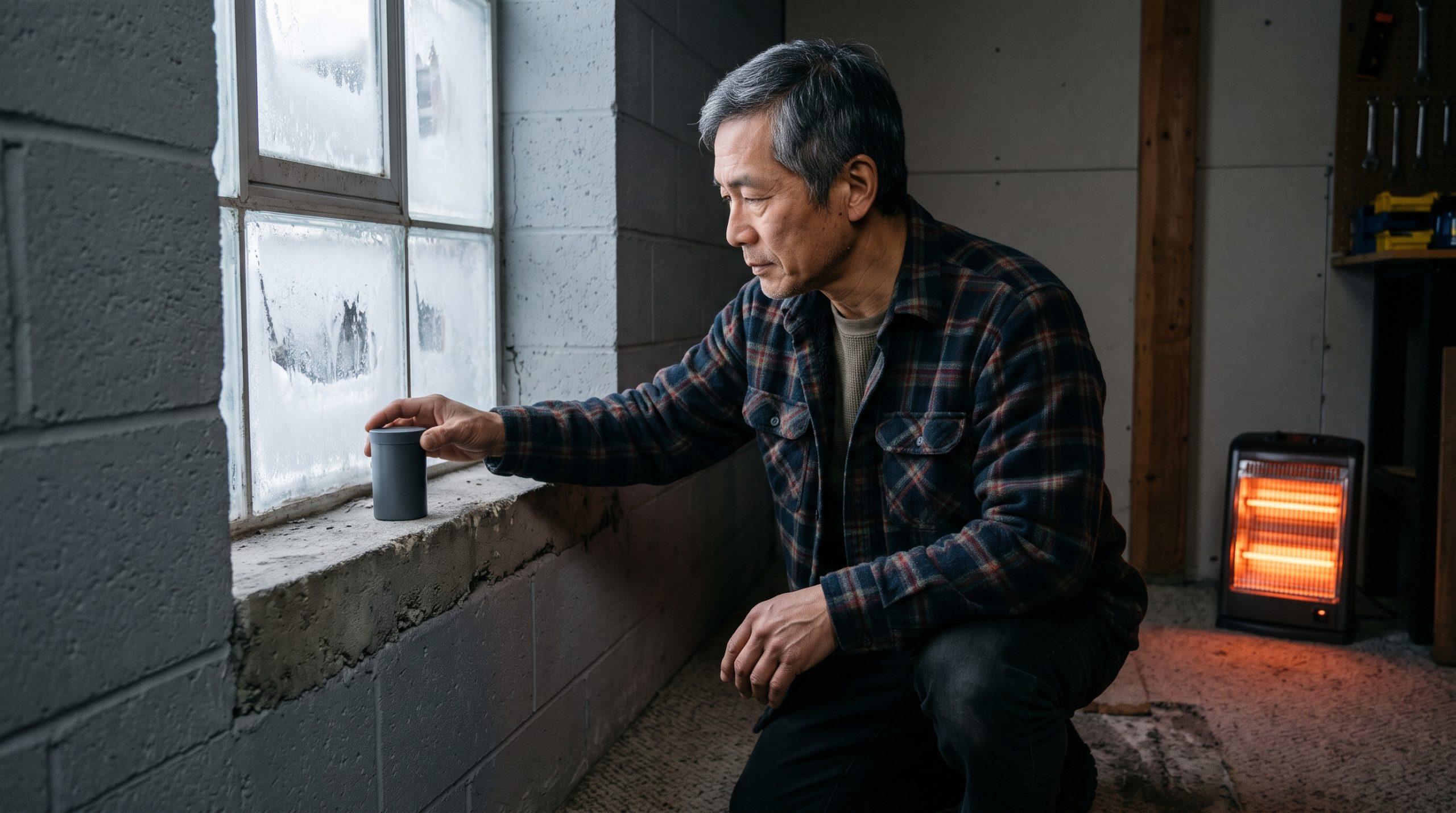
Winter is the cheapest time to do your radon testing, because your windows and doors are already shut for heat, which is the exact closed-house condition the EPA says a short-term test needs. If your result comes back at or above 4 pCi/L, EPA recommends fixing the home, and a legitimately installed mitigation system commonly starts around $1,000.
In this article
- What the Test Actually Measures
- Why Radon Testing in Winter Gives You the Real Number
- What EPA’s Action Level Means for You
- What a Legitimate Fix Actually Costs
- Who Pays When It Shows Up During a Sale
- Frequently asked questions
What the Test Actually Measures
Radon is a radioactive gas that comes up through the ground and seeps into your home through cracks and gaps in the foundation. You cannot see it, smell it, or taste it.
The Surgeon General has called it the second-leading cause of lung cancer in the country.
The only way to know your home’s level is to test it. Radon is measured in picocuries per liter of air, written as pCi/L. Think of it as a concentration reading, the same way a thermometer reads degrees.
A higher pCi/L number means more radon gas in the air you are breathing. EPA’s own radon health risk data shows the average U.S. home sits around 1.3 pCi/L, and outdoor air averages about 0.4 pCi/L.
Why Radon Testing in Winter Gives You the Real Number
Radon testing in winter works for a practical reason, not a regulatory one. EPA’s own testing guidelines require you to maintain closed-house conditions for the entire length of a short-term test, meaning your windows and exterior doors stay shut except for normal entry and exit. In most of the country, that is simply how a house already sits in January.
You are not creating a special test environment. You are testing during the months your house naturally runs sealed up for heat, which is exactly the condition a short-term reading needs to be meaningful.
EPA’s Home Buyer’s and Seller’s Guide to Radon requires every short-term test to run at least 48 hours, with some passive devices needing longer, such as a seven-day charcoal canister. Close your windows and exterior doors at least 12 hours before starting the test, and avoid testing during severe storms or high winds, which can skew the reading. Place the device in the lowest level of your home that you use or could use regularly, not a closet, crawl space, or bathroom.
What EPA’s Action Level Means for You
EPA’s guidance is built around one number: 4 pCi/L. At or above that level, EPA recommends fixing the home. Between 2 and 4 pCi/L, EPA says to consider fixing it too, since the risk does not disappear just because it falls under the official line.
| Radon level | Estimated lung cancer risk (never-smokers, EPA) | EPA’s recommendation |
|---|---|---|
| 20 pCi/L | About 36 of 1,000 people | Fix your home |
| 10 pCi/L | About 18 of 1,000 people | Fix your home |
| 4 pCi/L | About 7 of 1,000 people | Fix your home |
| 2 pCi/L | About 4 of 1,000 people | Consider fixing |
| 1.3 pCi/L | About 2 of 1,000 people | Average U.S. indoor level |
A single short-term test is enough to decide whether to act. EPA’s own real estate testing protocol accepts a test as short as 48 hours for exactly this purpose, as long as closed-house conditions held the whole time.
What a Legitimate Fix Actually Costs
The actual decision math is simple. A short-term test kit runs about $20 through Kansas State University’s National Radon Program Services, lab analysis included. A long-term kit, which gives a better picture of your year-round average, runs about $30.
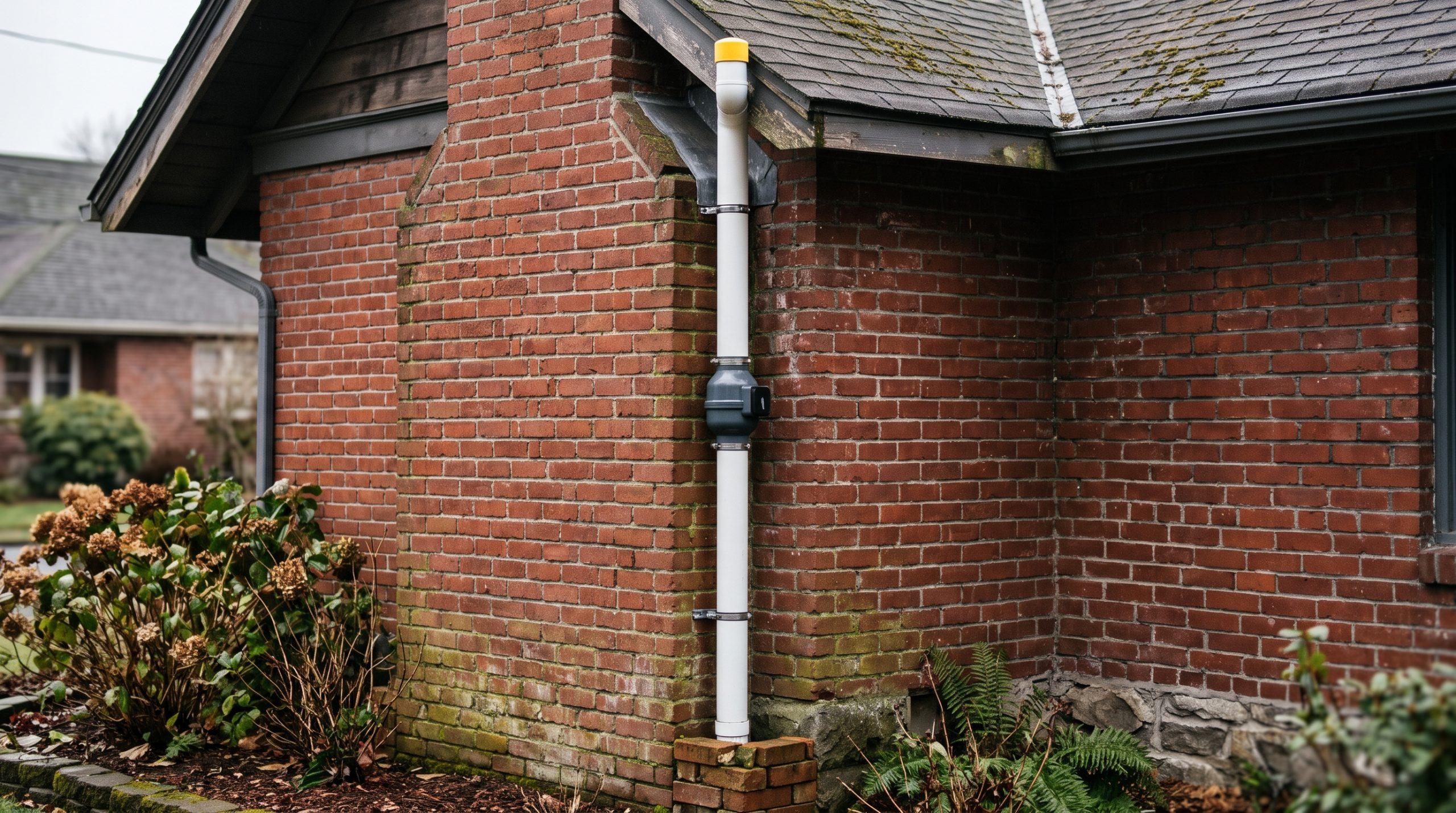
Imagine a homeowner named Teresa who tests her finished basement in January and gets back a reading of 6 pCi/L, above the 4 pCi/L action level. Her next move is a mitigation system, most commonly a sub-slab depressurization setup: a sealed vent pipe and fan that pulls gas out from under the foundation and vents it above the roofline before it ever enters the living space.
Minnesota’s health department warns homeowners to treat any installer quote under $1,000 as a red flag rather than a bargain, which tells you where legitimate pricing actually starts for a single-family home. The final price depends on your foundation type and how many suction points the system needs, so get a written, in-person proposal from more than one state-licensed or EPA-listed mitigation contractor before you commit.
Teresa’s $20 test told her, for the cost of a fast-food meal, that she had a real problem worth a four-figure fix rather than a guess she could have ignored for years.
Who Pays When It Shows Up During a Sale
If you are buying or selling, radon becomes a negotiation, not just a health question. EPA’s own guide for real estate transactions recommends the purchase contract spell out:
- Where the test will happen
- Who conducts it
- What type of test
- When it happens
- How the buyer and seller will split the cost
- Specifically who pays for mitigation if the result comes back high
None of that is automatic. If your contract is silent on it, you are negotiating from a weaker position after the result already exists.
If you are selling, EPA recommends testing before you list, since a known problem you already fixed can become a selling point, while an unknown one discovered mid-contract gives a buyer leverage you did not plan for.
Frequently asked questions
Is radon testing in winter actually more accurate than testing in summer? Not inherently more accurate, but more representative of real closed-house conditions, which is what EPA’s short-term testing protocol requires. Since most homes are naturally sealed up for heat in winter, a winter test is easier to keep valid for the full 48-hour minimum without extra effort on your part.
What does a 4 pCi/L radon reading actually mean? It is EPA’s action level, the point at which EPA recommends fixing your home. EPA estimates that level carries roughly 7 extra lung cancer cases per 1,000 people who never smoked, over a lifetime of exposure. EPA also says to consider fixing between 2 and 4 pCi/L.
How much does a radon test kit cost? A short-term kit runs about $20 and a long-term kit about $30 through university-run state radon programs, with lab analysis included in that price. Both require a minimum 48-hour test period under closed-house conditions for a valid short-term result.
How much does fixing a radon problem cost? Minnesota’s health department treats any mitigation quote under $1,000 as a red flag rather than a good price, which marks where legitimate single-family installs typically start. Your actual cost depends on your foundation type and how many suction points a licensed mitigation contractor’s system needs.
Who pays for radon testing and mitigation when a house is being sold? EPA recommends the purchase contract spell this out explicitly, including who pays for the test and who pays for any mitigation if the level comes back at or above 4 pCi/L. Without that language, it becomes a late-stage negotiation instead of a term you agreed to upfront.
Related reading: Learn how to inspect your home’s foundation before problems start, since foundation cracks are the same pathway radon uses to enter your home, and see how to build an emergency fund that covers home repairs so a four-figure mitigation bill does not catch you flat-footed.