
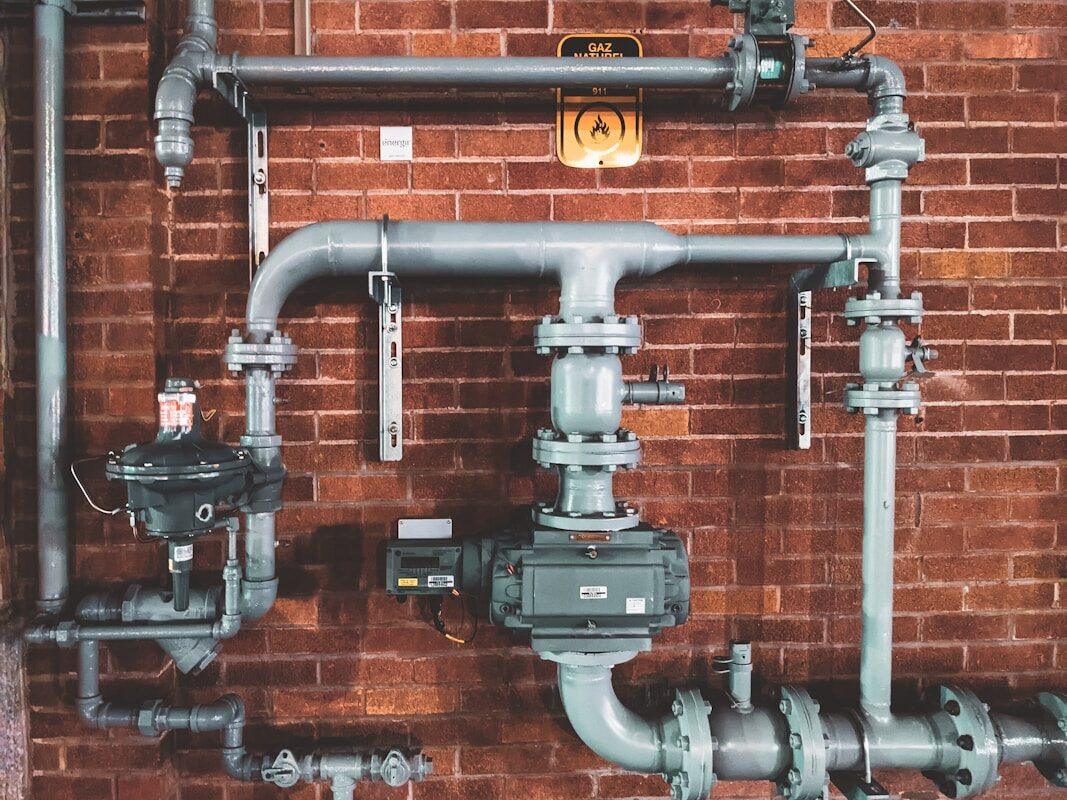
Your water heater works every single day without complaint. It heats water for showers, dishes, laundry, and cooking, often running through multiple cycles before you even think about it. Because it operates quietly in the background, it rarely gets the maintenance attention it deserves. The result is a unit that ages faster than it should, loses efficiency over time, and fails at the worst possible moment.
A few simple maintenance steps each year extend the life of your water heater by years and keep your energy bills from climbing unnecessarily.
Know What You Have
Water heaters come in several types, and the maintenance steps vary depending on which one you own. Tank water heaters, the most common type in US homes, store a set volume of hot water and keep it heated continuously. Tankless water heaters heat water on demand as it flows through the unit. Heat pump water heaters draw heat from the surrounding air and are significantly more efficient than traditional tank models.
Most of the maintenance steps in this guide apply primarily to tank water heaters, which are the type most likely to need regular attention.
If your water heater fails despite regular maintenance, USA.gov’s home-repair programs page lists legitimate assistance options for a full replacement, and HUD’s home improvements page summarizes the federal programs that can help offset the cost.
Flush the Tank Once a Year
Sediment from minerals in your water supply builds up at the bottom of the tank over time. This layer of sediment forces the unit to work harder to heat water, reduces efficiency, shortens the life of the tank, and in gas units creates a rumbling or popping noise you may have already noticed. Flushing the tank once a year removes that buildup and restores efficiency.
To flush the tank, turn off the power or gas supply to the unit, connect a garden hose to the drain valve at the base, run the other end to a floor drain or outside, and open the valve to drain the tank. Let the water run until it clears. Close the valve, remove the hose, and refill the tank before restoring power. This process takes about thirty to forty five minutes and requires no special tools.
Test the Pressure Relief Valve
The temperature and pressure relief valve, called a T and P valve, is a safety device that releases pressure if the tank overheats or pressure builds beyond safe levels. Testing it once a year confirms that it is working. Lift the lever briefly to let a small amount of water discharge, then release it. The valve should snap shut cleanly with no continued dripping. A valve that does not release or continues to drip after the test needs immediate replacement.
Check the Anode Rod
The anode rod is a metal rod, usually magnesium or aluminum, that runs through the center of the tank. It sacrifices itself to corrosion so that the tank lining does not corrode. When the anode rod is depleted, the tank begins to rust from the inside. Checking and replacing the anode rod every three to five years is one of the highest-return maintenance tasks a homeowner performs on a water heater.
Removing the rod requires an inch and a sixteenth socket and some effort, as it is often seized from years of inactivity. If you find the rod is more than fifty percent depleted, replace it. A new anode rod costs between twenty and fifty dollars and takes less than an hour to install.
Set the Temperature Correctly
The Department of Energy recommends a water heater temperature of one hundred twenty degrees Fahrenheit for most households. Temperatures above this level increase energy use, accelerate sediment buildup, and raise the risk of scalding. Setting the temperature correctly is a simple adjustment with immediate energy savings. Most tank water heaters have a dial on the thermostat that you adjust directly, while others require removing an access panel.
Insulate the Tank and Pipes
Older water heaters with tanks that feel warm to the touch are losing standby heat, which means the unit is cycling on more frequently to maintain temperature. Wrapping the tank in an insulating blanket, available at hardware stores for under thirty dollars, reduces standby heat loss and cuts energy use. Insulating the first few feet of hot and cold water pipes connected to the unit provides additional savings.
A water heater that receives consistent annual maintenance routinely lasts fifteen to twenty years instead of the average eight to twelve. That extended lifespan represents thousands of dollars saved on premature replacement.
Frequently Asked Questions
How often should I flush my water heater tank?
Once a year. Sediment from minerals in the water supply builds up at the bottom of the tank and forces the unit to work harder, which reduces efficiency and shortens tank life. Flushing takes about thirty to forty-five minutes and requires only a garden hose.
How do I test the pressure relief valve?
Lift the lever on the temperature and pressure relief valve, called a T and P valve, briefly and listen for water to discharge. If nothing comes out or the valve does not reseat properly, replace it. Annual testing confirms the safety device is functional; a stuck valve is a tank explosion risk.
What is the anode rod and when does it need replacing?
The anode rod is a sacrificial metal rod inside the tank that corrodes in place of the tank lining. Most rods last three to five years before they are spent. Replacing the rod when it is worn extends the tank’s life significantly; ignoring it lets corrosion eat the tank itself.
Which water heater type lasts longest?
Heat pump water heaters and tankless units typically outlast traditional tank water heaters when maintained, often running fifteen to twenty years compared to ten to fifteen for tanks. The choice depends on hot water demand, available space, and upfront budget. Heat pump units carry the highest efficiency but need installation conditions that suit them.
What temperature should my water heater be set to?
120 degrees Fahrenheit is the standard recommendation. It is hot enough for safe operation and household use, low enough to limit scalding risk and slow sediment buildup, and efficient compared to higher settings. Adjust the thermostat on the unit and verify the actual output at a faucet with a thermometer.