
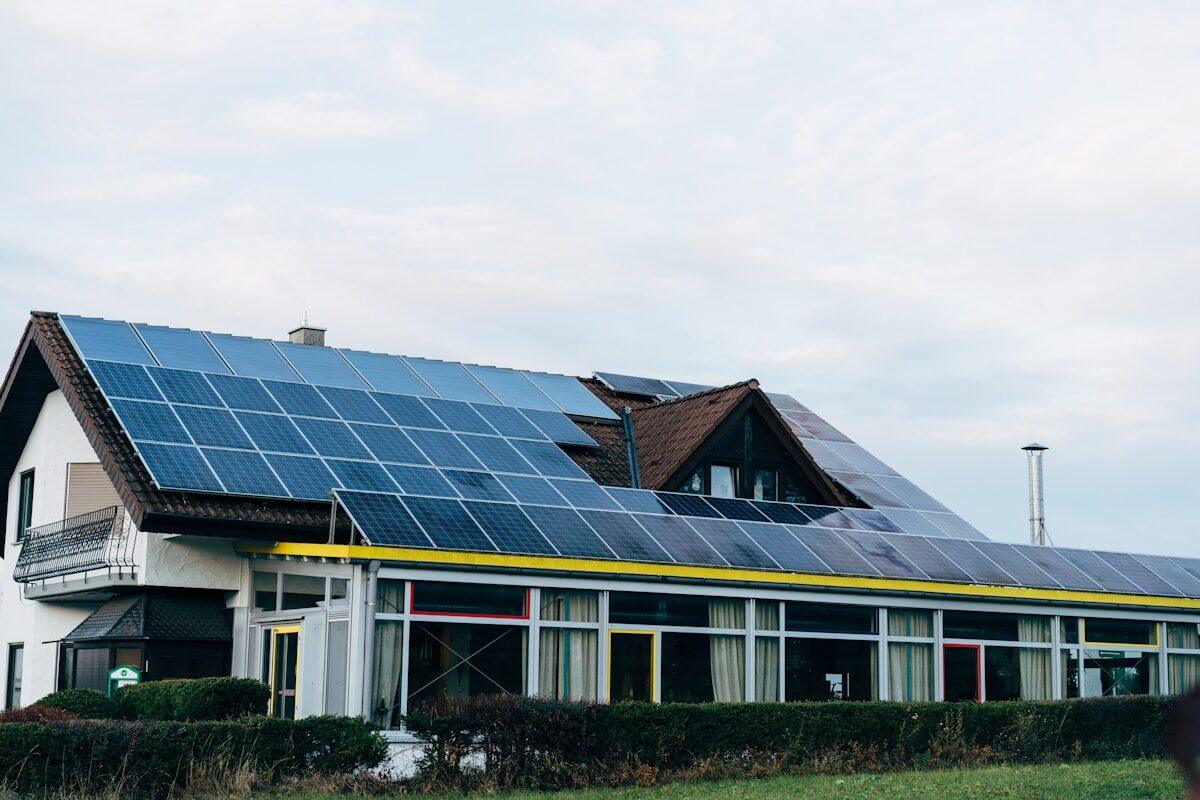
Solar energy has become one of the most popular ways for homeowners to cut utility bills and reduce their environmental footprint, and it is one of several eco-friendly home design trends that are taking over today’s housing market. The idea of harnessing the sun’s power to generate electricity for your home is appealing, but installing solar panels is not a decision to rush. It requires careful planning, research, and the right questions to ensure you make the best choice for your household. If you are considering residential solar panels, here are the key questions you should ask before moving forward.
How Much Sunlight Does My Home Receive?
The first question to ask is whether your home gets enough direct sunlight to make solar panels effective. Roof orientation, nearby trees, and even tall buildings can affect how much sunlight reaches your panels. A professional installer can conduct a site assessment to measure solar potential. If your roof faces south and has minimal shading, you are in a strong position to benefit from solar energy. If not, you may need to explore trimming trees or adjusting panel placement to maximize efficiency.
What Is the Total Cost of Installation?
Solar panels are an investment, and understanding the full cost is essential. Ask for a detailed breakdown that includes equipment, labor, permits, and any additional fees. Some companies may advertise low upfront costs but add hidden charges later. By requesting a transparent estimate, you can compare options and avoid surprises. Remember that while the initial expense may feel significant, the long‑term savings on electricity bills often outweigh the upfront cost.
Are There Incentives or Rebates Available?
Many governments and utility companies offer incentives to encourage homeowners to adopt solar energy. These can include tax credits, rebates, or performance‑based incentives. Ask your installer about programs available in your area and how they apply to your situation. Incentives can reduce the overall cost of residential solar panels and shorten the time it takes to see a return on your investment. Missing out on these opportunities could mean leaving money on the table.
Before you commit to solar, ENERGY STAR’s home-saving resources can confirm whether cheaper efficiency fixes would close some of the gap first, and DOE’s Weatherization Assistance Program page explains what income-qualified households can get covered separately.
How Will Solar Panels Affect My Roof?
Your roof plays a critical role in the success of your solar installation. Ask whether your roof is strong enough to support the panels and whether it needs repairs before installation. Solar panels typically last 20 to 25 years, so you want to ensure your roof is in good condition. If you install panels on a roof that needs replacement soon, you may face additional costs to remove and reinstall them. A thorough roof inspection before installation can save you from future headaches.
What Is the Expected Energy Output?
Not all solar systems are created equal. Ask your installer to estimate how much electricity your system will generate each year. This depends on panel efficiency, local climate, and system size. Understanding expected output helps you calculate potential savings and determine whether solar energy will cover most of your household needs. If your energy use is high, you may need a larger system or consider energy efficiency upgrades to reduce consumption.
How Long Is the Payback Period?
One of the most important questions is how long it will take for your investment to pay off. The payback period is the time it takes for your energy savings to equal the cost of installation. For many homeowners, this ranges from 6 to 10 years, depending on local electricity rates and incentives, and whether your utility offers net metering to credit you for the excess power you send back to the grid. Knowing the payback period helps you plan financially and set realistic expectations. A shorter payback period means you will enjoy free electricity sooner.
What Warranties Are Offered?
Solar panels are durable, but warranties provide peace of mind. Ask about warranties for both the panels and the installation work. Most manufacturers offer a performance warranty that guarantees panels will produce a certain amount of electricity for 20 to 25 years. Installers may also provide workmanship warranties to cover issues with installation. Understanding warranty coverage ensures you are protected if something goes wrong.
How Will Maintenance Be Handled?
Solar panels require minimal maintenance, but it is still important to ask how upkeep will be managed. Dust, debris, and snow can reduce efficiency, so occasional cleaning may be necessary. Some companies offer maintenance packages, while others leave it to the homeowner. Ask whether monitoring systems are included to track performance and detect issues early. A well‑maintained system will deliver consistent energy savings over its lifetime.
What Financing Options Are Available?
Not every homeowner can pay for solar panels upfront. Ask about financing options such as loans, leases, or power purchase agreements. Each option has pros and cons. Loans allow you to own the system and benefit from incentives, while leases may reduce upfront costs but limit ownership benefits. Understanding financing options helps you choose the arrangement that best fits your budget and long‑term goals.
How Will Solar Panels Impact My Property Value?
Studies show that homes with solar panels often sell faster and at higher prices. Ask your installer how residential solar panels could affect your property value. Buyers are increasingly interested in energy‑efficient homes, and solar panels can be a major selling point. By considering resale value, you can see solar energy not only as a way to save money but also as an investment in your property’s future.
Installing solar panels is a significant decision that requires careful thought. By asking the right questions, you can ensure your system is cost‑effective, efficient, and tailored to your needs. From understanding sunlight exposure to exploring financing options, each question helps you make an informed choice. Residential solar panels offer long‑term savings, environmental benefits, and increased property value, but only if installed with proper planning. Take the time to ask these questions, and you will be well on your way to enjoying the rewards of solar energy.
Frequently Asked Questions
How much sunlight does my roof need for solar?
Roof orientation, nearby trees, and tall buildings determine how much sunlight reaches your panels. A south-facing roof with minimal shading is strongest; east and west are workable; north-facing roofs rarely justify the investment. A professional site assessment measures the specific solar potential of your property.
What goes into the total cost of a solar installation?
The full cost includes equipment, labor, permits, and any additional fees. Ask for a detailed breakdown rather than a single number. Some installers advertise low upfront prices but add charges later. A transparent estimate is the only way to compare options accurately.
What incentives reduce the cost of going solar?
Federal tax credits, state and utility rebates, and performance-based incentives all reduce the net cost. Ask the installer which programs apply to your area and confirm the amounts independently. Missing these programs can leave thousands on the table over the life of the system.
Will solar panels damage my roof?
Properly installed panels do not damage the roof and can even extend its life by shielding it from sun and weather. The installer should evaluate the roof’s age and condition before mounting; replacing an aging roof under existing panels later is expensive. If the roof is near end of life, replace before solar.
How long does a solar system take to pay for itself?
Payback periods commonly run six to ten years depending on system size, electricity rates, net metering policy, and incentives. After payback, the system continues producing for the remainder of its twenty-five to thirty-year life. The math is strongest in high-electricity-cost states with favorable net metering.