
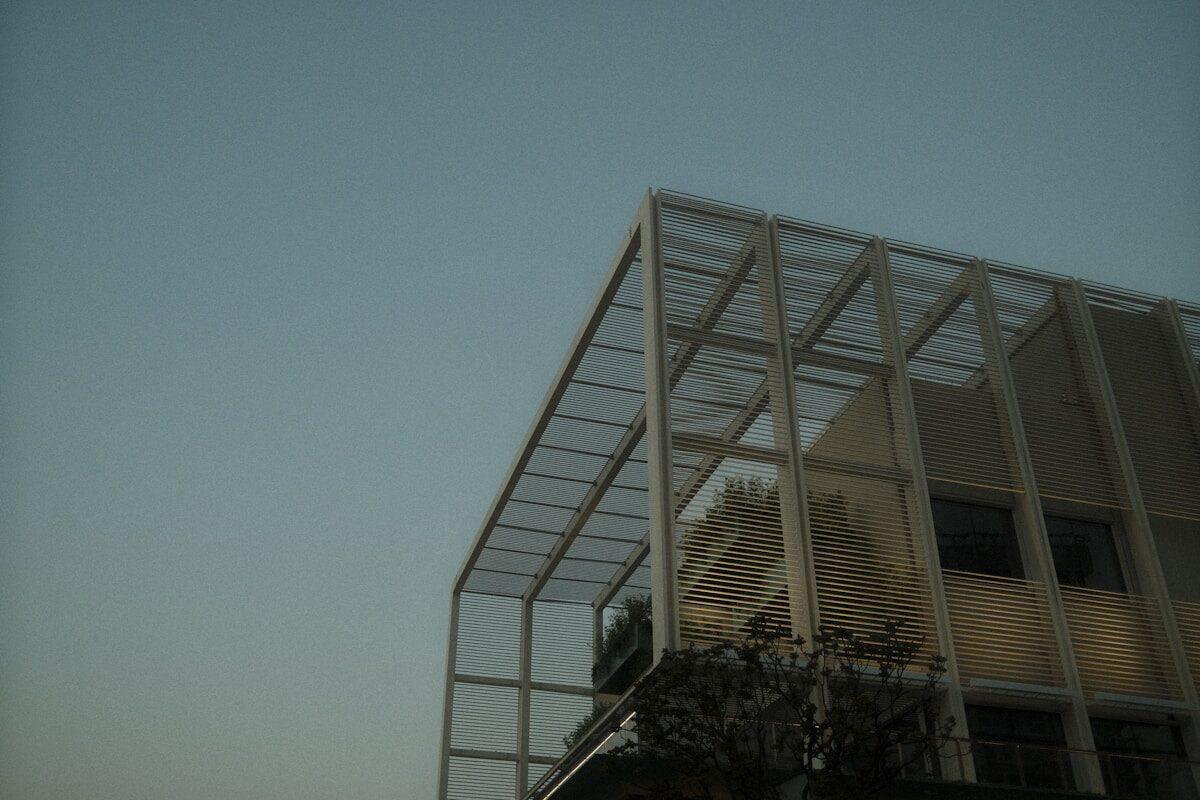
Home design is changing rapidly, and one of the biggest shifts is the move toward eco‑friendly living. What was once considered a niche interest has now become mainstream, with homeowners across the country looking for ways to reduce environmental impact while improving comfort and style. Sustainable home design is no longer just about saving energy; it is about creating spaces that feel good to live in, stand the test of time, and contribute positively to the planet. If you are curious about what is shaping modern homes, here are the eco‑friendly trends that are taking over.
Eco‑friendly home design is not just about following fashion. It is about making choices that benefit both homeowners and the planet. Net‑zero energy homes reduce reliance on fossil fuels, biophilic design improves mental health, and smart technology makes sustainability easier to achieve. Each trend contributes to a larger movement toward responsible living. Homeowners who embrace these ideas are not only saving money but also investing in a healthier future.
Net‑Zero Energy Homes
One of the most exciting developments in sustainable home design is the rise of net‑zero energy homes. These homes are built to produce as much energy as they consume, often through solar panels, advanced insulation, and energy‑efficient appliances. The idea is simple: balance energy use with renewable production. Homeowners benefit from lower utility bills, while the environment benefits from reduced emissions. Net‑zero homes are becoming more accessible thanks to improved technology and government incentives, making them a realistic option for many families.
Biophilic Design
Biophilic design is all about connecting people with nature. This trend incorporates natural light, indoor plants, water features, and organic materials into the home. The goal is to create spaces that promote well‑being by mimicking the natural environment. Studies show that exposure to nature reduces stress and boosts productivity, so it is no surprise that biophilic elements are becoming a staple in modern interiors. From green walls to skylights, these features make homes feel more alive and welcoming.
Innovative Building Materials
Traditional construction materials are being replaced with eco‑friendly alternatives. Bamboo, reclaimed wood, recycled steel, and low‑VOC paints are just a few examples. These materials reduce waste and minimize harmful emissions during production. Homeowners are also embracing insulation made from natural fibers, which improves energy efficiency without relying on synthetic chemicals. Choosing sustainable materials is not only better for the planet but also creates healthier indoor environments for families.
Smart Home Technology
Technology is playing a major role in eco‑friendly living. Smart thermostats, energy‑efficient lighting, and water‑saving fixtures allow homeowners to monitor and reduce consumption in real time. These systems make sustainable home design practical by giving residents control over their energy use. For example, smart irrigation systems adjust watering schedules based on weather conditions, preventing waste. By integrating technology with eco‑friendly practices, homes become more efficient and easier to manage.
Multifunctional and Minimalist Spaces
Minimalism is more than a design style; it is a sustainable lifestyle choice. By focusing on multifunctional spaces and reducing clutter, homeowners use fewer resources and create more efficient living environments. Furniture that serves multiple purposes, such as storage beds or convertible desks, reduces the need for excess items. This approach not only saves money but also aligns with the principles of sustainable home design by encouraging mindful consumption.
Water Conservation Features
Eco‑friendly homes are increasingly designed with water conservation in mind. Low‑flow faucets, dual‑flush toilets, and rainwater harvesting systems are becoming standard. These features reduce water bills and help communities manage resources more responsibly. In areas prone to drought, water‑saving technologies are especially valuable. Homeowners who adopt these features contribute to long‑term sustainability while enjoying practical benefits.
Indoor Air Quality Improvements
Sustainable design also focuses on healthier indoor environments. Ventilation systems that filter pollutants, non‑toxic finishes, and natural cleaning solutions are part of this trend. Good air quality is essential for well‑being, and eco‑friendly homes prioritize it.
Imagine a family building a new home. They choose bamboo flooring, install solar panels, and design large windows to maximize natural light. They add smart thermostats to control heating and cooling, and they set up a rainwater harvesting system for their garden. The result is a home that feels modern, comfortable, and efficient.
Eco‑friendly home design trends are reshaping the way we live. From net‑zero energy homes to biophilic interiors, the focus is on sustainability, health, and efficiency. These trends are not passing fads; they represent a long‑term shift in how homes are built and maintained.

Leave a Reply