
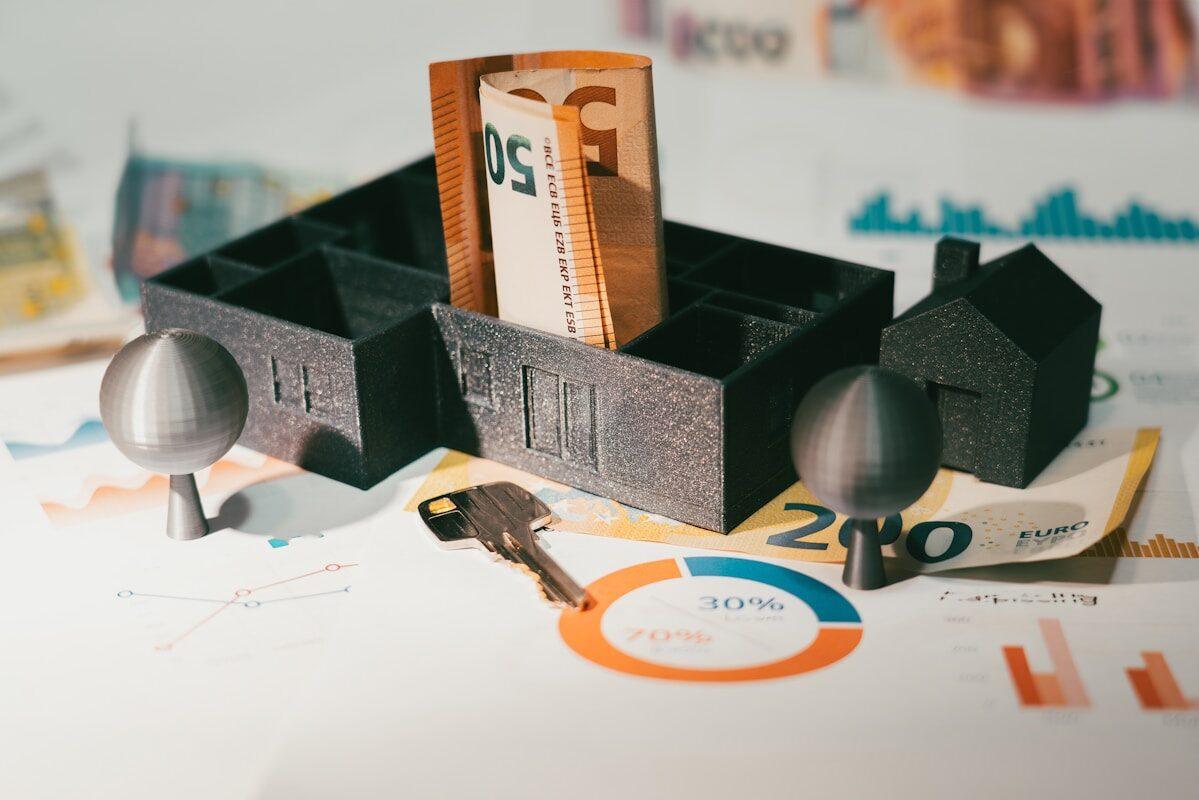
Your home is more than a place to live. Over time, as you pay down your mortgage and your property value rises, your home builds equity. That equity is a financial resource you are allowed to tap, and two of the most common ways to do it are home equity loans and home equity lines of credit, known as HELOCs. Both products let you borrow against the value of your home, but they work very differently and cost you money in different ways.
Understanding those differences before you borrow saves you real money and prevents you from choosing the wrong product for your situation.
What Is a Home Equity Loan
A home equity loan gives you a lump sum of money upfront. You borrow a fixed amount at a fixed interest rate and repay it in equal monthly installments over a set term, usually between five and thirty years. The payment stays the same every month from start to finish, which makes budgeting straightforward.
This product works best when you have a specific, one-time expense. A roof replacement, a bathroom renovation, or paying off high-interest debt are all good matches for a home equity loan. You know exactly how much you need, you borrow exactly that amount, and you pay it back on a predictable schedule.
What Is a HELOC
A HELOC works more like a credit card backed by your home. You are approved for a maximum credit limit, and you draw from it as needed during a set draw period, typically ten years. During the draw period, you pay interest only on what you have used, not the full limit. After the draw period ends, you enter the repayment period and begin paying back the principal plus interest.
HELOC interest rates are usually variable, meaning they change with market conditions. Your payment amount shifts over time depending on how much you have borrowed and what the current rate is.
Comparing the Costs
The interest rate on a home equity loan is typically slightly higher than a HELOC’s starting rate. However, HELOC rates fluctuate, and over a long repayment period they often exceed what you would have paid with a fixed-rate home equity loan. This makes HELOCs harder to budget for and potentially more expensive over time if rates rise.
Home equity loans also come with closing costs, usually between two and five percent of the loan amount. HELOCs may have lower upfront fees but often include annual fees, inactivity fees, and early closure penalties. Read the fine print before choosing either product.
When a Home Equity Loan Makes More Sense
Choose a home equity loan when you have a clear, fixed expense and want payment certainty. Homeowners who are replacing a major system, completing a planned renovation, or consolidating debt benefit from the predictability of a fixed rate and a fixed payment. You know the total cost of borrowing from day one, and nothing changes.
This product is also better for homeowners who are uncomfortable with variable rate risk. Rising interest rates can significantly increase HELOC payments, and not every homeowner is positioned to absorb that increase.
When a HELOC Makes More Sense
A HELOC is a stronger fit when your expenses are ongoing or unpredictable. A multi-phase home renovation, a small business need, or ongoing medical expenses are better matched to a line of credit you draw from as needed. You pay interest only on what you use, which saves money during periods when you are borrowing less.
HELOCs are useful tools for homeowners who are disciplined enough to use only what they need and pay it down during the draw period. Treating a HELOC like a long-term loan rather than a short-term tool leads to costly surprises when the repayment period begins.
The Tax Angle
Interest paid on home equity loans and HELOCs is tax-deductible in certain situations. The IRS (Internal Revenue Service) allows a deduction when the borrowed funds are used to buy, build, or substantially improve the home securing the loan. Using the money for personal expenses like vacations or car purchases does not qualify for the deduction. Speaking with a tax professional before borrowing helps you understand exactly what applies to your situation.
Protecting Your Home When You Borrow Against It
Both products use your home as collateral. That means failing to repay puts your property at risk. Borrowing responsibly, staying within your repayment ability, and avoiding the temptation to borrow the maximum available all protect you from a situation that could cost you far more than the original loan.
The right choice between a home equity loan and a HELOC depends on your expense type, your risk tolerance, and how long you plan to borrow. Match the product to the purpose and you position yourself to borrow smarter and spend less



Leave a Reply