
Picture this: you need a power drill for a quick project, but you know it will sit unused for months afterward. Meanwhile, your neighbor has the same drill collecting dust in their garage. Multiply that scenario across dozens of households, and you start to see the inefficiency. A tool library solves this problem by pooling resources so everyone has access without unnecessary spending. It is practical, sustainable, and a great way to strengthen community ties. Let’s walk through how you can launch one that neighbors will genuinely appreciate.
Step 1: Gauge Community Interest
The first step is making sure people want this kind of resource. Talk to neighbors, post in local online groups, or bring it up at community meetings. Ask what tools they would find most useful and whether they would be willing to contribute. Building interest early ensures that your library has support before you invest time and money.
Step 2: Secure a Location
A tool library needs a home base. Some communities use garages, sheds, or basements, while others partner with local organizations such as churches or community centers. The space should be secure, accessible, and organized. Think about shelving, storage bins, and safety measures. A tidy space makes borrowing easier and keeps tools in good condition.
Step 3: Build an Inventory
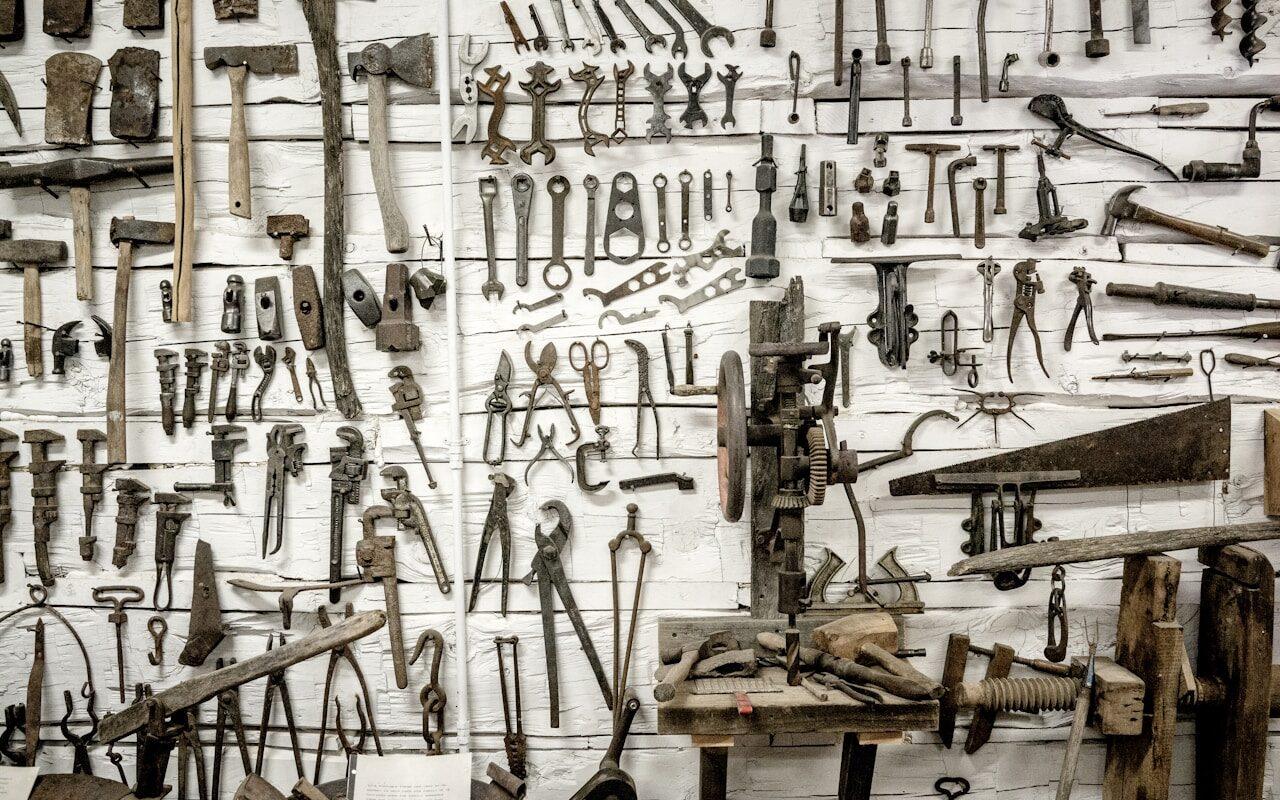
Start with the basics: hammers, drills, ladders, and gardening tools. Inventory can come from donations, purchases, or grants. Many homeowners are happy to donate tools they rarely use. Create a list of what you have and what you need, then prioritize based on community interest. A clear inventory system prevents confusion and ensures tools are tracked properly.
Step 4: Establish Rules and Policies
Every library needs guidelines. Decide how long tools can be borrowed, what happens if something breaks, and whether there will be membership fees. Some tool libraries operate on trust, while others require deposits. Clear policies protect the library and make expectations transparent. Posting rules in the space and online helps everyone stay informed.
Step 5: Recruit Volunteers
Running a tool library takes effort, but it does not have to fall on one person. Recruit volunteers to manage inventory, handle checkouts, and maintain tools. Rotating responsibilities keeps the workload manageable. Volunteers also bring enthusiasm, which helps the library thrive. A strong team ensures the library runs smoothly and remains sustainable.
Step 6: Promote the Library
Once your tool library is ready, spread the word. Use flyers, social media, and community events to let people know. Highlight the benefits: saving money, reducing clutter, and building stronger connections. Hosting a launch event with demonstrations or workshops can generate excitement. The more people know about the library, the more successful it will be.
Step 7: Maintain and Expand
A tool library is not a one‑time project; it requires ongoing care. Regularly inspect tools, replace worn items, and update the inventory. As the library grows, consider adding specialized equipment such as power washers or woodworking tools. Expanding services keeps members engaged and attracts new participants. Maintenance ensures the library remains reliable and trustworthy.
As your project grows, you’ll notice how a shared tool library becomes more than just a borrowing station. It turns into a gathering point for neighbors who want to learn, collaborate, and support one another. People exchange tips, offer help with DIY projects, and build relationships that extend beyond the tools themselves. The shared tool library becomes a symbol of cooperation and resourcefulness, showing how communities can thrive when they share what they have.
Benefits for Homeowners
Homeowners save money by borrowing instead of buying. They also gain access to tools they might not otherwise afford. A tool library reduces clutter by eliminating the need to store rarely used items. It also encourages DIY projects, empowering families to tackle repairs and improvements. The benefits extend beyond individual households, creating a ripple effect throughout the neighborhood.
Environmental Impact
Sharing tools reduces consumption and waste. Fewer tools are manufactured, packaged, and shipped when communities share resources. This lowers the environmental footprint and promotes sustainability. A tool library aligns with broader efforts to live responsibly and reduce unnecessary purchases. It is a small step with a big impact.
Challenges to Expect
Launching a tool library is not without challenges. Tools break, volunteers get busy, and funding can be tight. Addressing these issues requires flexibility and creativity. Building partnerships with local businesses or applying for small grants can help with costs. Encouraging members to treat tools with care reduces damage. Challenges are part of the process, but they can be managed with planning and persistence.
Tool libraries are important because they solve practical problems while building stronger communities. They make home projects more accessible, reduce waste, and encourage collaboration. Neighbors who share tools often end up sharing more ideas, skills, and friendships.
Launching a tool library is a rewarding project that combines practicality with community spirit. Gauging interest, finding a location, building inventory, and setting rules are the foundation. Volunteers, promotion, and maintenance keep the library thriving. A shared tool library is more than a collection of equipment; it is a resource that saves money, reduces waste, and strengthens neighborhoods. When communities come together, everyone benefits.to share, everyone benefits. If you are ready to make a difference, a tool library might be the perfect place to start.


Leave a Reply