Think about how much your roof does for you every single day. It shields your home from rain, wind, heat, and everything else nature throws at it. Yet many homeowners overlook the roof until a serious problem appears. Ignoring early roof repair signs can lead to costly repairs or even full replacements. Paying attention to your roof now saves money and prevents stress later. Let’s walk through the signs you should never ignore.
Missing or Damaged Shingles
Shingles are the first line of defense against the elements. When they crack, curl, or go missing, your roof becomes vulnerable. Rainwater can seep underneath, leading to leaks and structural damage. Spotting a few damaged shingles may not seem urgent, but it’s a clear signal that repairs are needed. Regular inspections help you catch these issues before they spread.
Water Stains on Ceilings
Water stains inside your home often point to roof problems. Brown or yellow spots on ceilings or walls suggest that moisture is getting through. Even small stains can indicate a leak that will worsen over time. Addressing the issue quickly prevents mold growth and protects your home’s structure. Ignoring water stains is one of the fastest ways to turn a minor repair into a major expense.
Sagging Roof Deck
A roof should look straight and solid. If you notice sagging areas, it’s a serious warning sign. Sagging often means trapped moisture or weakened support beams. This problem requires immediate attention because it can lead to collapse if left untreated. A professional inspection is the safest way to determine the cause and prevent further damage.
Granules in Gutters
Shingles are coated with protective granules that help them resist sun and weather damage. Finding granules in your gutters means the shingles are deteriorating. As they lose this protective layer, they become more vulnerable to leaks and cracks. Checking gutters regularly gives you an early indication of roof wear and tear.
Mold or Moss Growth
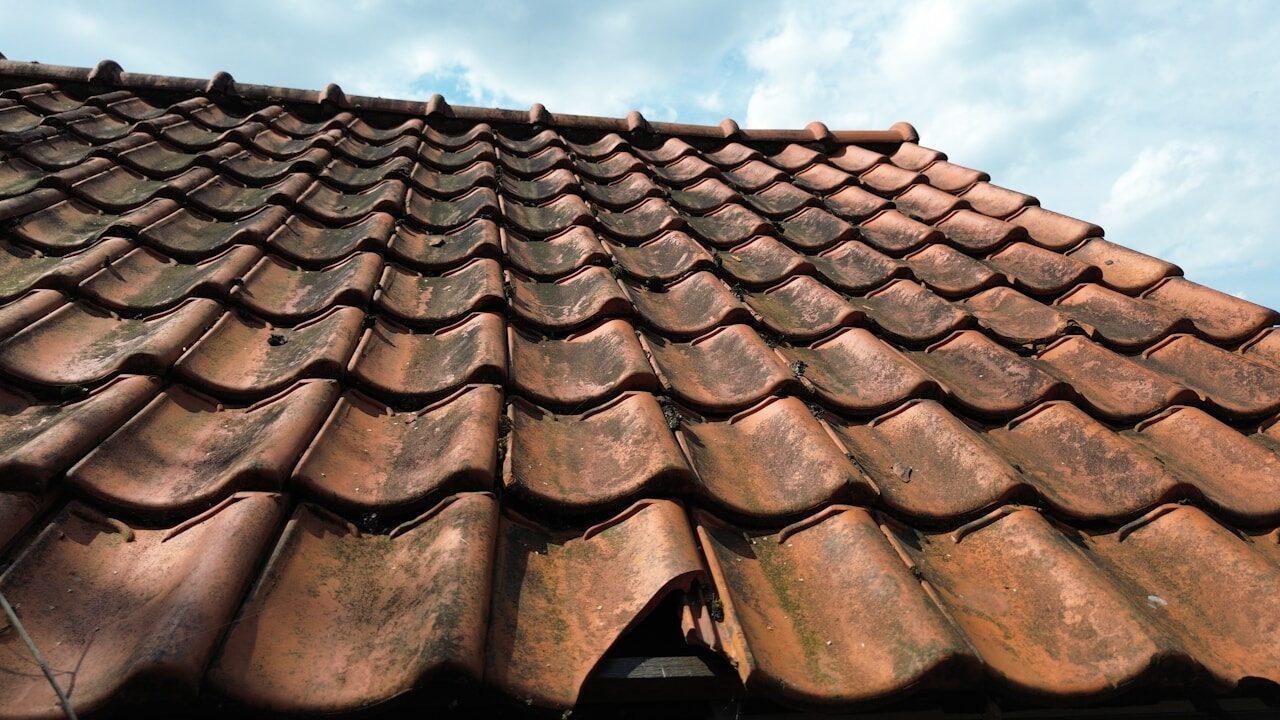
Moss and mold may look harmless, but they signal trapped moisture. Over time, this moisture can weaken shingles and create leaks. Moss also lifts shingles, allowing water to seep underneath. Cleaning the roof and improving ventilation helps prevent growth. If mold spreads inside the home, it becomes a health hazard as well as a structural issue.
Rising Energy Bills
A roof that isn’t properly sealed or insulated allows heat to escape in winter and enter in summer. This forces your HVAC system to work harder, raising energy costs. If you notice unexplained spikes in utility bills, your roof may be the culprit. Addressing insulation and ventilation issues restores efficiency and lowers expenses.
Age of the Roof
Even if your roof looks fine, age matters. Most roofs last 20 to 25 years depending on materials and climate. Once a roof reaches that age, problems become more likely. Scheduling inspections as your roof gets older ensures you catch issues before they escalate. Replacing an aging roof may feel costly, but it’s far less expensive than dealing with repeated leaks and structural damage.
Flashing Problems
Flashing is the material used around chimneys, skylights, and vents to keep water out. Damaged or loose flashing creates entry points for leaks. Inspecting these areas regularly prevents water from sneaking into your home. Flashing problems are often overlooked, but they can cause significant damage if ignored.
Interior Drafts
Feeling drafts inside your home can indicate roof ventilation issues. Poor ventilation traps moisture and raises energy costs. It also shortens the lifespan of shingles. Addressing ventilation problems improves comfort and protects your roof. Drafts are subtle, but they are a sign worth investigating.
Practical Tips for Homeowners
Here are a few steps to stay ahead of roof problems:
- Inspect your roof twice a year, especially after storms.
- Clean gutters regularly to prevent water buildup.
- Trim overhanging branches that can damage shingles.
- Schedule professional inspections for older roofs.
- Address small repairs immediately instead of waiting.
These habits extend the life of your roof and reduce the risk of costly surprises.
Ignoring roof warning signs doesn’t just risk damage; it risks safety. A compromised roof can lead to structural problems, mold growth, and even collapse. Repairs are always cheaper than replacements, and replacements are always cheaper than dealing with widespread damage. Staying proactive protects your home and your wallet.
Your roof is one of the most important parts of your home, and it deserves attention. Missing shingles, water stains, sagging, granules in gutters, and mold growth are all warning signs you can’t afford to ignore. Recognizing roof repair signs early helps you act before problems escalate. A well‑maintained roof protects your family, lowers energy costs, and preserves property value. Paying attention today ensures peace of mind tomorrow.

Leave a Reply