Utility Assistance Programs: A Complete Guide for Households Struggling With Energy and Utility Bills

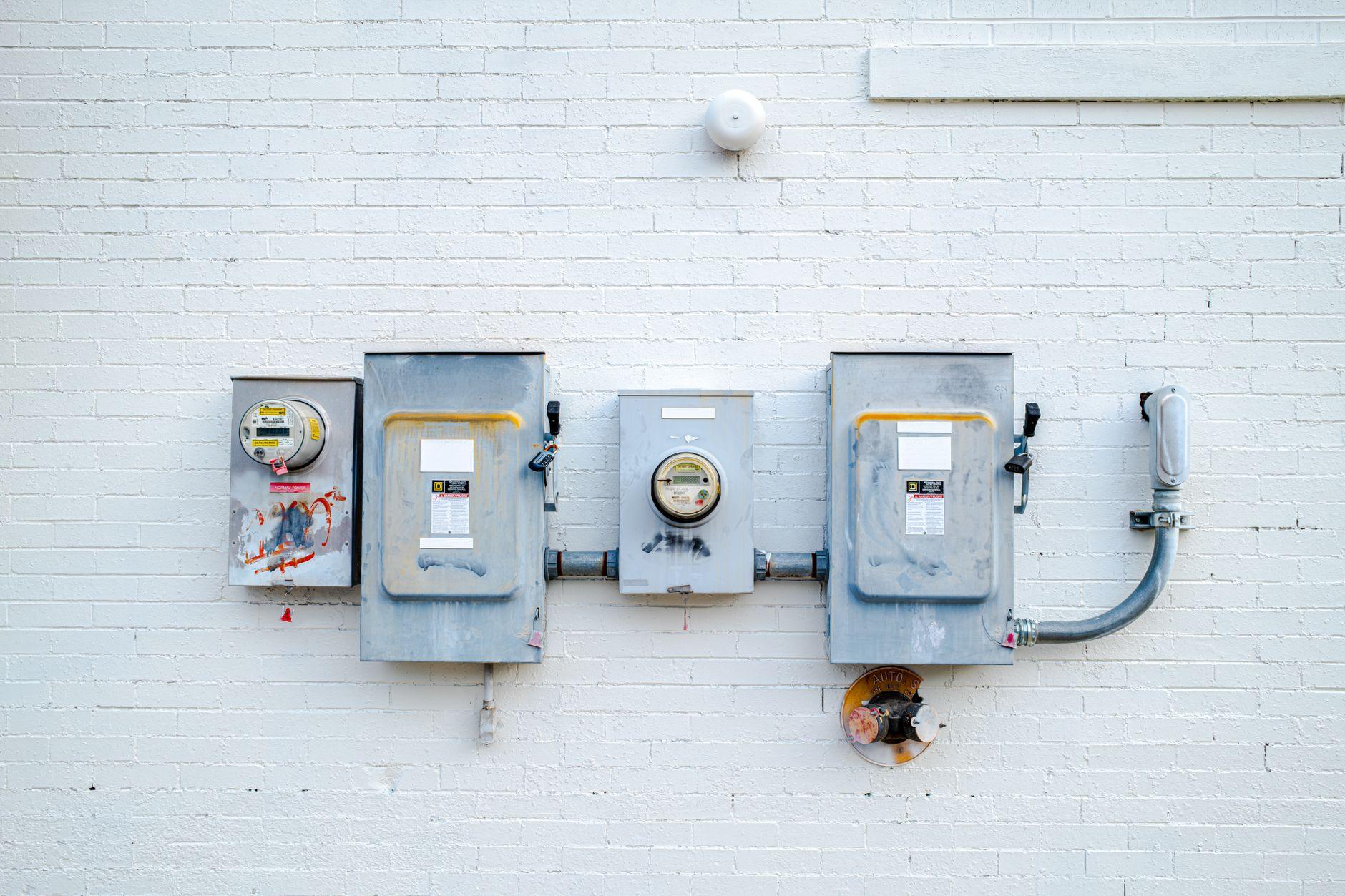
Electrical boxes and power meters mounted on a white brick wall.

Keeping the lights on, the heat running, and the water flowing is a basic need for every household, but for millions of Americans, utility costs are a serious financial burden. Whether you rent your home or own it, whether your utilities are in your name or bundled into a monthly payment, there are real programs designed to help. Federal initiatives, state agencies, nonprofit organizations, and utility companies themselves all offer pathways to relief. This guide breaks down every major option so you can find the right fit for your situation.

Understanding How Utility Assistance Works

Utility assistance programs help households pay for essential services including electricity, natural gas, heating oil, propane, water, and in some cases phone and internet service. The help can come in different forms depending on the program and your location.

  • Direct payment to your utility provider on your behalf
  • Credits or discounts applied to your monthly bill
  • Lump-sum or ongoing benefit payments issued to qualifying households
  • Emergency funds to prevent shutoffs or restore disconnected service
  • Weatherization support that reduces your overall energy consumption

Who can qualify? Eligibility is almost always based on household income and size rather than property ownership or whose name appears on the utility account. This is an important point for anyone who assumes they will not qualify because they rent or because utilities are included in their monthly rent payment. Program rules generally focus on financial need and documented housing costs, not the legal structure of the utility account.

The Low Income Home Energy Assistance Program (LIHEAP)

The Low Income Home Energy Assistance Program, known as LIHEAP, is the cornerstone of federal utility support in the United States. Funded through the U.S. Department of Health and Human Services, LIHEAP is distributed to states, territories, and tribal governments, which then run local programs through community action agencies and other designated organizations.

LIHEAP assistance generally covers four core areas:

  • Heating costs during cold months, including bills for natural gas, electricity, heating oil, and propane
  • Cooling costs during summer heat, such as electricity for air conditioning
  • Crisis assistance when a household faces an imminent shutoff or dangerous situation
  • Weatherization services that make homes more energy efficient and lower ongoing costs

Who Qualifies for LIHEAP

Eligibility is determined by household income relative to the federal poverty level or area median income, depending on how your state has set up its program. Household size matters, and some states give priority to households that include elderly members, young children, or people with disabilities. Because states have flexibility in designing their programs, the income limits, benefit amounts, and application processes vary considerably from one location to another.

LIHEAP for Households Without a Utility Account in Their Name

A common misunderstanding is that LIHEAP is only accessible to people who receive a utility bill in their own name. Federal guidelines actually allow local agencies to account for utility costs that are embedded in rent or paid through a landlord. In those situations, some state programs issue a benefit directly to the renter to offset the energy portion of their housing costs, while others may coordinate payment with the landlord or property owner. The key is documenting that your household incurs real utility-related expenses as part of your living costs.

How to Apply for LIHEAP

Applications are handled at the state and local level. To find your local LIHEAP office, contact your state’s department of health and human services or look for a community action agency in your area. Funding is limited and often distributed on a first-come, first-served basis, so applying early in the heating or cooling season is strongly recommended.

  • Gather proof of income for every adult in the household
  • Have your most recent utility bill or lease agreement ready
  • If utilities are included in rent, ask your landlord for a written breakdown of the utility cost component
  • Bring a government-issued ID and documentation of household members

Emergency Rental Assistance and Utility Relief

Beyond LIHEAP, many households can access utility support through Emergency Rental Assistance Programs, commonly called ERAP. These federally funded programs were established to help households cover overdue rent and utility bills during periods of financial hardship. The U.S. Department of the Treasury has overseen the distribution of Emergency Rental Assistance funds to state and local governments across the country.

ERAP programs can be especially useful for households dealing with past-due utility balances because they can pay arrears directly to the utility company. Coverage often includes electricity, gas, water, sewer, trash removal, and other home energy costs. Eligibility criteria vary by city and county, but most programs prioritize households with low to moderate incomes that have experienced a financial hardship.

  • Payments may go directly to the utility provider, the landlord, or both
  • Past-due balances and future utility costs may both be covered depending on local rules
  • Program portals and application deadlines differ by jurisdiction, so check with your city or county housing office for current availability

Phone and Internet Bill Assistance: The Lifeline Program

Utility costs are not limited to energy. For many households, phone and internet service are essential for work, school, and accessing healthcare. The Lifeline Support Program, administered by the Federal Communications Commission, offers monthly discounts on phone and broadband internet service for income-qualifying households. This program is available to both renters and homeowners who meet the income threshold or participate in certain federal assistance programs such as Medicaid or SNAP.

Lifeline discounts apply to a single phone or internet account per household and can be used with participating providers nationwide. Information about Lifeline and other utility bill help is available through official government resources covering assistance with utility bills.

Utility Company Discount and Hardship Programs

Many electric, gas, and water utilities operate their own low-income discount programs, sometimes called budget billing plans, lifeline rates, or customer assistance programs. These are separate from government programs and are often administered directly through the utility’s billing system. Discount levels vary widely, but some programs can reduce monthly bills by 20 to 50 percent for qualifying households.

How to find out what your utility company offers:

  • Call the customer service number on your bill and ask specifically about low-income assistance or hardship programs
  • Visit the utility company’s website and look for a section labeled assistance, programs, or billing help
  • Ask your state public utilities commission whether income-based rate discounts are required or available in your state
  • Check whether your water or sewer authority offers similar programs, as water assistance is less well known but does exist in many areas

These company-run programs can often be combined with LIHEAP or other government assistance, stretching your total benefit further.

Nonprofit and Community Organizations That Help With Utility Bills

When government programs have closed waiting lists or funding gaps, nonprofit organizations and community groups often fill the space. These groups are frequently more flexible in their eligibility criteria and can provide short-term emergency help while longer-term applications are processed.

United Way 211

One of the most practical first steps for any household facing a utility crisis is calling 211 or visiting 211.org. The 211 network connects people to local resources including LIHEAP offices, emergency utility funds, nonprofit assistance programs, and community action agencies. Trained specialists can help you identify what is available in your specific area and guide you through the application process.

Community Action Agencies

Community action agencies operate across the country and serve as the local administrators of many state and federal assistance programs, including LIHEAP. Beyond distributing government funds, many of these agencies operate their own emergency assistance programs funded by donations, grants, and local government contracts. They can often help you apply for multiple programs at once and provide referrals to additional services.

Faith-Based and National Charitable Organizations

Organizations such as The Salvation Army and Catholic Charities maintain local offices in most parts of the country that can provide emergency financial help for utility and housing costs. Eligibility requirements vary by location and available funding, so contact the office nearest you for current program details. These organizations may also be able to connect you with food assistance, clothing, and other resources at the same time.

Weatherization: Reducing the Underlying Problem

One category of utility assistance that is easy to overlook is weatherization support. Rather than simply helping you pay a high bill, weatherization programs address the root cause by improving your home’s energy efficiency. Through the federal Weatherization Assistance Program and LIHEAP’s weatherization component, qualifying households can receive free upgrades such as insulation, air sealing, window repairs, and more efficient heating and cooling equipment.

Weatherization is available to both renters and homeowners, though renters typically need landlord permission before work can be done on the property. When a landlord agrees, the improvements benefit both the tenant through lower bills and the property owner through improved building condition. Income limits for weatherization assistance are similar to those used for LIHEAP.

Tips for Getting the Most Out of Utility Assistance Programs

Navigating multiple programs at once can feel overwhelming, but a few straightforward strategies can improve your chances of getting help quickly.

  • Apply to more than one program at a time since different programs have different funding cycles and availability
  • Keep copies of all documents you submit and note the date and name of anyone you speak with at an agency
  • If you are told funding is exhausted, ask to be placed on a waiting list or ask when new funds are expected
  • Do not assume you earn too much to qualify without actually checking the income limits for your state and household size
  • Contact 211 first if you are unsure where to start, as specialists can point you to the right programs for your location and situation
  • Request a payment arrangement with your utility company while you wait for assistance approval to prevent shutoff

A Quick Summary of Available Programs

  • LIHEAP: Federal heating and cooling assistance, available through state and local agencies, open to renters and homeowners alike
  • Emergency Rental Assistance Programs: Cover past-due and ongoing utility and rent costs, administered locally
  • Lifeline Program: Monthly discounts on phone and internet service for income-qualifying households
  • Utility company assistance programs: Bill discounts or credits offered directly by your electric, gas, or water provider
  • Weatherization Assistance Program: Free home energy efficiency upgrades for qualifying households
  • 211 Network: A referral service connecting you to local utility and housing help
  • Nonprofit organizations: Emergency short-term assistance from groups like The Salvation Army and Catholic Charities

Final Thoughts

Struggling to pay utility bills is not a situation anyone has to face alone, and help is far more accessible than most people realize. Whether you own your home or rent it, whether your utilities are billed directly to you or rolled into your monthly housing payment, programs exist specifically to meet your needs. The most important steps are to apply early, gather your documentation, and use available referral services like 211 to make sure you are not leaving any assistance on the table. Energy security and housing stability go hand in hand, and the programs covered in this guide exist precisely to protect both.

Leave a Reply

Your email address will not be published. Required fields are marked *

More Articles & Posts

  • A man relaxes with a beer bottle while holding past due bills, highlighting financial stress.

    How to Apply for LIHEAP and Maximize Your Chances of Getting Approved

  • Electrical boxes and power meters mounted on a white brick wall.

    Utility Assistance Programs: A Complete Guide for Households Struggling With Energy and Utility Bills

  • Smiling couple unpacking boxes in their new home kitchen, ready for a fresh start.

    Housing Assistance Programs Explained: Your Complete Guide to Finding Help

Secret Link