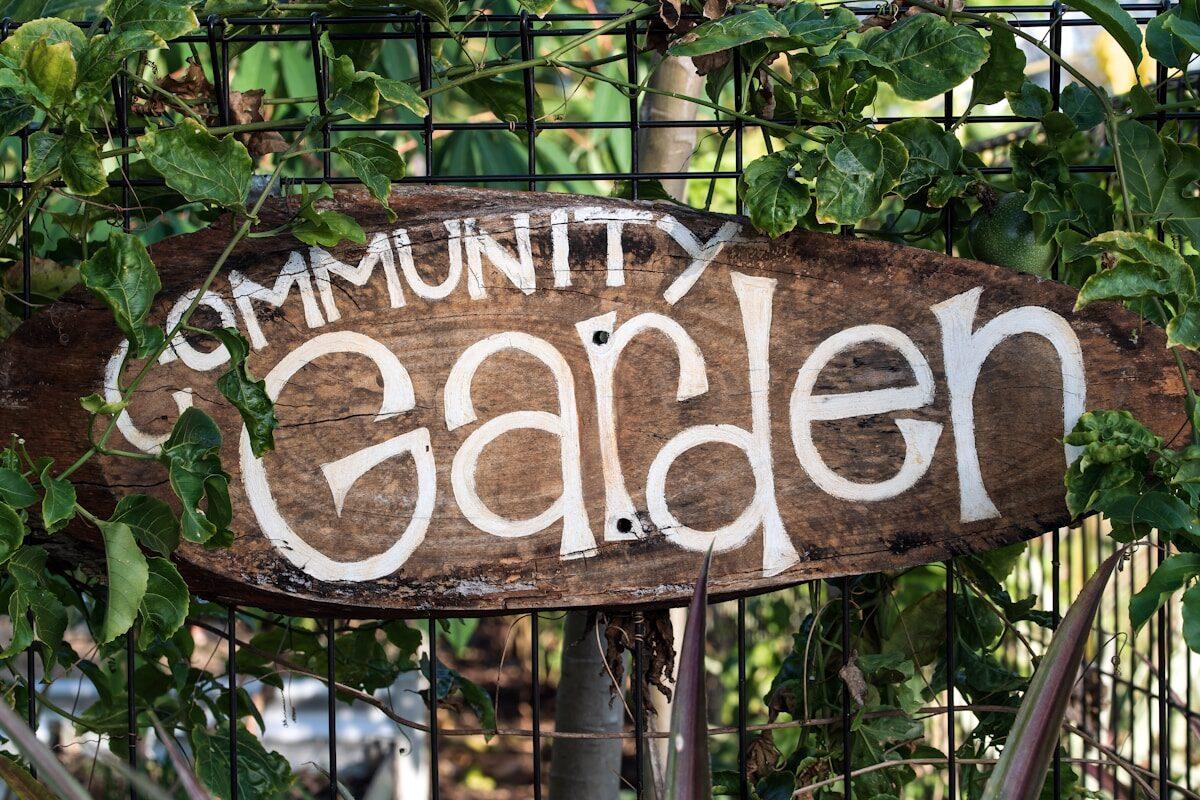
A community garden is more than a place to grow vegetables. Research across multiple US cities has shown that well-maintained community gardens raise property values in the surrounding area, reduce crime rates, build social connections, and improve the physical health of participants. The effect is not subtle. Studies have found property value increases of up to nine percent for homes within a block of a well-managed community garden, with the impact extending outward from there.
Understanding how this works and how to get one started in your neighborhood gives you a tool for improving your community that is more powerful than most people realize.
Why Community Gardens Increase Property Values
The connection between community gardens and rising property values has to do with multiple factors working together. A well-maintained garden converts vacant or underutilized land into an attractive green space that improves the visual appeal of the surrounding area. It brings residents together in a shared productive activity, which strengthens community ties and reduces the social isolation that correlates with higher crime rates.
Research from Rutgers University tracked property values around community gardens in New York City over time and found that gardens in lower-income areas produced the largest positive effects on surrounding property values. The presence of a garden signals investment, maintenance, and community cohesion, all of which buyers and appraisers respond to positively.
Starting a Community Garden from Scratch
Finding land is the first practical step. Community gardens are often established on vacant lots owned by municipalities, schools, churches, or community organizations. Contact your local government’s parks department or city planning office to inquire about available land and any programs that support community garden development. Many cities have formal community garden programs that provide land, water access, and sometimes basic infrastructure to organized groups.
If public land is not available, approach private landowners with vacant property. Some are willing to lease land at low or no cost in exchange for the maintenance and beautification the garden provides. A simple lease agreement that outlines responsibilities and terms on both sides protects everyone involved.
Watch this video on how to start a community garden in your neighborhood:
Organizing the Group
A community garden requires a committed organizing group of at least five to ten people to get started and stay operational. Early tasks include securing the land, raising startup funds, designing the plot layout, and establishing the rules and responsibilities that govern how the garden operates.
Common organizational questions to settle early include how plots are assigned and whether participants pay a seasonal fee, who is responsible for maintaining common areas like pathways and tool storage, what is planted in shared spaces if any exist, and how the garden handles members who stop maintaining their plots. Addressing these questions in writing before the garden opens prevents the disputes that shut down otherwise promising projects.
Funding and Resources
Many community gardens operate on very modest budgets. Startup costs typically include soil amendment, raised bed materials, a water connection, a tool shed, and basic hand tools. Grants from local foundations, community development organizations, and national programs like the USDA (United States Department of Agriculture) Community Facilities program provide funding for qualifying groups.
Local businesses often contribute materials or supplies in exchange for acknowledgment in the garden. Hardware stores, nurseries, and grocery stores are natural partners whose products align with what a community garden needs.
The Ongoing Benefits Beyond Property Value
Property value is the most measurable benefit of a community garden, but it is far from the only one. Participants report reduced stress, improved physical health from the activity involved, and stronger connections with neighbors they previously knew only by sight. Fresh produce grown in the garden supplements household food budgets, particularly in areas with limited access to affordable fresh vegetables.
A community garden is one of the few neighborhood improvements that serves health, connection, environment, and financial value simultaneously. Starting one is within reach of any organized group of neighbors willing to commit the time and energy it takes to get it off the ground.


Leave a Reply