
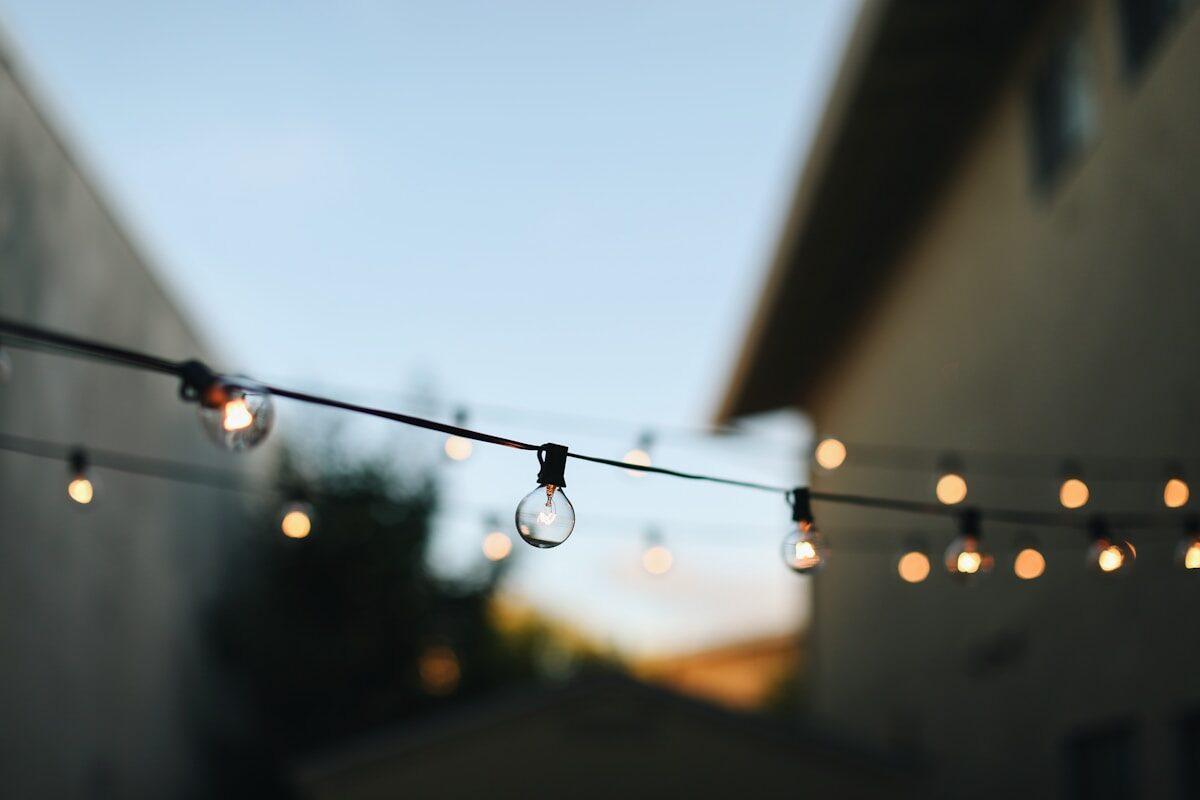
Outdoor lighting serves two purposes that reinforce each other. It makes your home safer by illuminating entry points, pathways, and dark corners. It also shapes how your home looks from the street, contributing to curb appeal in ways that affect both daily enjoyment and long-term property value. The good news is that these two goals are not in tension. The lighting choices that improve safety are often the same ones that make your home look its best after dark.
Here is how to approach outdoor lighting with both priorities in mind.
Illuminate Pathways and Entry Points
The first priority in outdoor lighting is visibility along the paths people use to approach your home. Pathway lights set into the ground or mounted on low stakes create a clear, well-lit route from the street to the front door. Solar-powered pathway lights are easy to install, require no wiring, and have improved dramatically in brightness and reliability over the past few years.
The front entry itself deserves particular attention. A porch light positioned beside the door at roughly eye level provides the most useful illumination for visitors finding house numbers, using keys, and approaching the threshold. Fixtures that are too high or too bright create glare without lighting the area where visibility matters most.
Outdoor lighting is a curb-appeal upgrade buyers actually notice, and NAR’s research and statistics hub tracks how much curb appeal moves in the current market, while HUD summarizes home-improvement resources worth reviewing before you spend on any exterior project.
Use Motion Sensors Strategically
Motion-activated lights serve security and energy efficiency at the same time. They illuminate automatically when someone approaches, which deters opportunistic intruders and provides light exactly when and where it is needed. They also draw power only when activated, which keeps operating costs lower than always-on fixtures.
Place motion sensor lights at garage entrances, side gates, back doors, and any pathway that approaches the home from an angle not covered by the front entry lighting. Adjust the sensitivity and range settings so that the lights respond to people approaching the home without triggering constantly from traffic or wind-moved branches.
Layer Light for Depth and Visual Interest
A home lit by a single overhead fixture at each entry lacks visual depth and warmth. Layering different types of lighting at different heights creates the kind of outdoor lighting that makes a home look genuinely attractive after dark.
Uplighting, where fixtures are placed at ground level and aimed upward at architectural features, trees, or tall plantings, adds drama and dimension. Downlighting from eaves or overhead structures mimics natural light and creates pools of warm illumination across outdoor living areas. Accent lighting along fences, planters, or retaining walls adds detail at a lower scale.
The combination of these approaches produces a lighting scheme that guides visitors safely, highlights what is beautiful about your home, and creates an inviting atmosphere in outdoor spaces — the same layered approach that turns a plain yard into one of these backyard retreat ideas your family will actually use after dark.
Choose the Right Color Temperature
The color temperature of outdoor lighting has a strong effect on how the home looks and feels. Warm white light in the 2700K to 3000K range creates an inviting, residential feel that flatters most architectural styles and plantings. Cool or daylight-range temperatures at 4000K and above work better for security and task lighting in driveways and work areas.
Matching the color temperature across your outdoor fixtures creates a cohesive, intentional look. Mixing warm and cool temperatures in adjacent areas produces an inconsistency that is difficult to define but easy to notice.
Low-Voltage and Solar Options for Cost-Effective Installation
Low-voltage landscape lighting systems run on twelve-volt power rather than the standard line voltage used throughout the home. They are safe to install without an electrician, consume a fraction of the power of standard fixtures, and are available in a wide range of styles. A transformer plugged into a standard outdoor outlet powers the entire system through a single buried cable.
Solar-powered outdoor lights require no wiring at all and have no operating cost beyond the initial purchase. Modern solar fixtures in the mid-price range deliver adequate brightness for pathway and accent lighting, though they are less reliable in climates with limited winter sunlight.
Outdoor lighting that serves both safety and aesthetics is one of the most rewarding home improvements you make because its impact is visible every single evening. The investment is modest compared to the return in security, beauty, and enjoyment.
Frequently Asked Questions
Where should outdoor lighting be installed first?
Pathways and entry points come first because they handle the highest combination of safety and curb appeal. Ground-set or low-stake pathway lights mark the route to the front door, and a porch light positioned beside the door at roughly eye level provides usable illumination for visitors. Get these right before adding accent lighting.
Are solar pathway lights bright enough?
Solar-powered pathway lights have improved dramatically over the past few years in both brightness and reliability. For most front-walk applications, the current generation of solar lights delivers usable illumination without wiring or operating cost. Higher-traffic or long-distance paths still benefit from wired low-voltage systems.
Do motion sensor lights actually deter intruders?
Yes. Motion-activated lights illuminate when someone approaches, which deters opportunistic intruders and signals to neighbors that activity is happening. They also use far less power than always-on fixtures. Place them at garage entrances, side gates, back doors, and any pathway not covered by the front entry lights.
How do I avoid harsh, glaring outdoor lighting?
Layer different types of fixtures at different heights instead of relying on a single bright overhead light. Combine pathway lights, accent uplights on landscaping, and shielded entry fixtures to create depth. Bulbs in the warm white range, around 2700 to 3000 Kelvin, look more inviting than cool white at the front of a home.
Should I install timers for outdoor lights?
Yes. Timers and photocells turn lights on at dusk and off at a set time, which removes the daily on-off task and prevents lights from running unnecessarily. Smart switches add the ability to schedule lighting from a phone and adjust for season. Either option keeps the curb appeal benefit while controlling the operating cost.