

Three home warranty companies all advertise “comprehensive coverage” for “around $50 a month.” Side by side, the headline numbers look identical. The contract terms are not. One pays out an average of $1,800 per claim. Another caps the same category at $500. A third excludes the most likely failure mode entirely.
Marketing language does not tell you which provider will actually pay when something breaks. Five comparison criteria do, and they are accessible to any homeowner willing to spend an hour reading the actual contracts before signing.
> Comparing home warranty providers on premium alone is a guaranteed way to overpay for the wrong product. The premium is roughly the same across providers in any given coverage tier. The differences that matter are inside the contract.
Comparing providers on price alone misses the exclusions that decide whether a claim actually pays out. USA.gov’s home-repair programs page lists legitimate assistance options as a fallback, and HUD’s home improvements page is a federal baseline worth checking too.
Criterion One: Per-Claim and Aggregate Caps
The single most important number in a home warranty contract is the per-claim cap. This is the maximum the warranty will pay for any single repair or replacement.
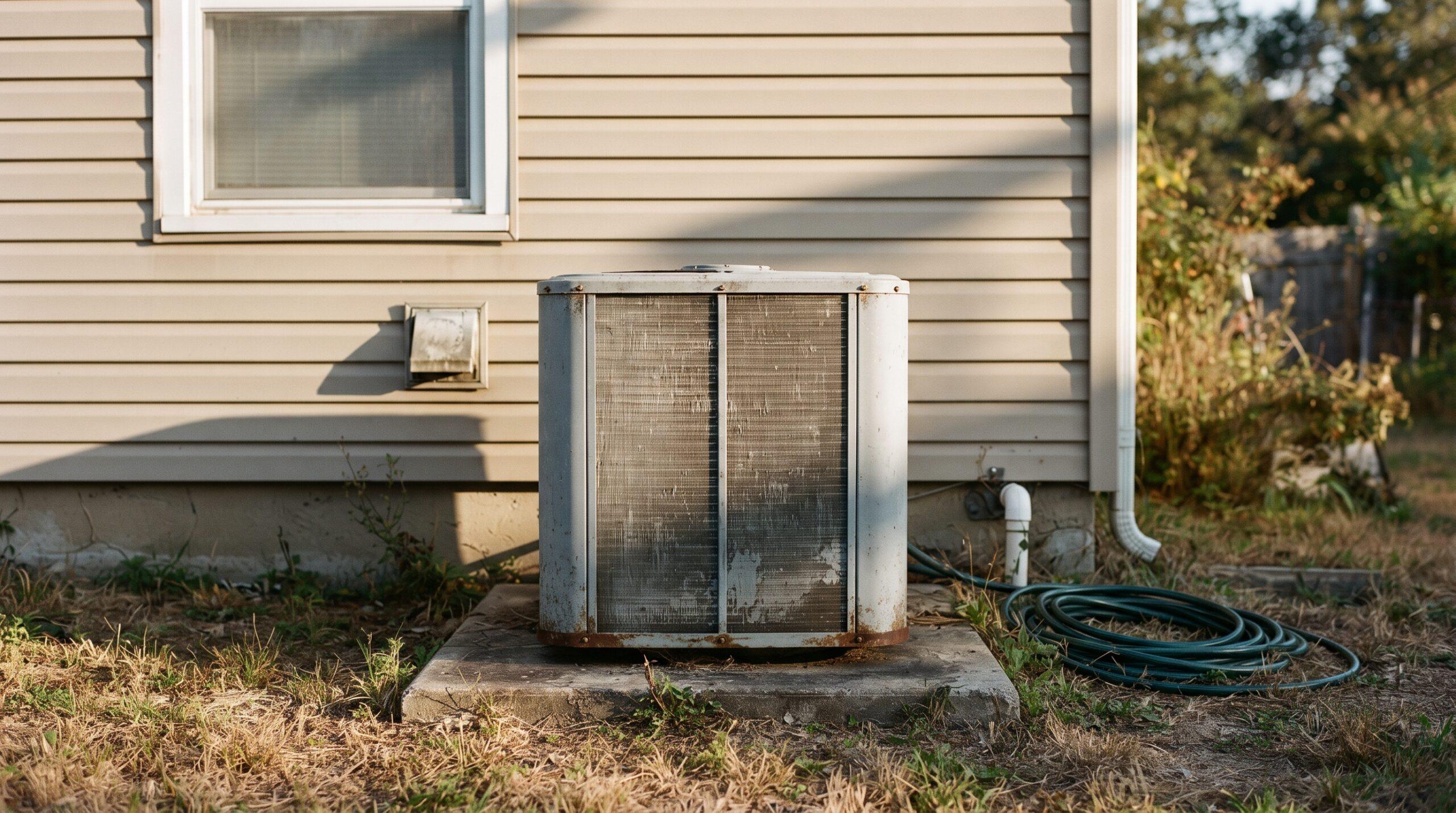
For HVAC, per-claim caps range from $1,500 to $3,000 across major providers. For plumbing, $500 to $1,500. For appliances, $500 to $1,000 each. The contract spells out the exact cap by category.
A $1,500 HVAC cap on a $7,000 compressor replacement means you pay $5,500 out of pocket on a covered claim. That is not a service contract problem. It is a math problem. Always identify the cap on the systems most likely to fail in your home, then compare across providers.
Some contracts also include an aggregate cap that limits total annual payouts across all claims combined. Aggregate caps in 2026 typically range from $5,000 to $15,000 per contract year. A homeowner with multiple major failures in a single year can exhaust the aggregate cap and lose coverage on subsequent claims.
Criterion Two: Service Fees and Premium Tradeoffs
Service fees range from $75 to $150 per dispatch across providers. Most companies offer a tradeoff: a lower service fee in exchange for a higher annual premium, or vice versa.
The right tradeoff depends on how often you expect to file claims. A homeowner with newer systems and few expected service calls is better served by the higher-service-fee, lower-premium structure. A homeowner with aging systems likely to require multiple visits per year saves more with the lower-service-fee, higher-premium structure.
Calculate the breakeven on the tradeoff. If the difference between service fee tiers is $50 per visit and the premium difference is $200 per year, the lower-fee tier wins after 4 service calls per year. Below that, the lower-premium tier is the better value.
Criterion Three: Exclusions and Coverage Definitions
Two contracts that both list “HVAC” as covered can mean very different things in practice. Read the exclusions section to identify the gap between what is listed as covered and what will actually be paid.
Common exclusions that vary significantly across providers:
- Refrigerant recovery, recharge, and EPA disposal fees
- Ductwork repair or replacement
- Heat pump backup heating elements
- Plumbing damage caused by tree roots or ground shifts
- Mineral or scale buildup damage on water heaters
- Pre-existing conditions and the standard for what counts as pre-existing
- Cosmetic damage and finish work after a covered repair
A provider that includes refrigerant recovery in HVAC coverage is meaningfully more valuable than one that excludes it. Refrigerant work can add $300 to $800 to a single repair invoice.
Criterion Four: Contractor Network Quality and Turnaround Time
The warranty is only as good as the contractors the company sends. A 12-day wait for an HVAC technician in July makes the coverage effectively useless even if the eventual repair is fully covered.
Two questions to verify before signing:
What is the standard turnaround time for service requests in your area, and how is “emergency” defined for faster response? Get this in writing if possible.
Does the warranty allow you to choose your own contractor and submit for reimbursement, or are you required to use only the warranty’s network? Network-only restrictions are common and can be a major limitation if the network in your area is thin.
Reviews on third-party sites can help, but service quality varies significantly by region. Ask local contractors which warranty companies they work with and which they refuse to accept. Contractor refusal patterns are a strong signal of administrative dysfunction at a warranty company.
> Get a written sample contract from each provider before you commit. Not the brochure. The actual contract you would sign. Compare exclusions, caps, and service terms side by side using the same coverage tier.
Criterion Five: Cancellation Terms and Renewal Pricing
The cancellation clause and renewal pricing structure determine your flexibility after the first year.
Most home warranty contracts allow cancellation within the first 30 days for a full refund. After 30 days, refunds are typically prorated and may include cancellation fees of $50 to $100. Read the specific terms before signing.
Renewal pricing is often a 5% to 15% increase over the initial year, particularly for homes that filed multiple claims. Some providers offer multi-year contracts with locked pricing in exchange for an upfront commitment. The locked pricing can be valuable on a home with aging systems, but it also locks you into a provider regardless of service quality.
For more on whether a home warranty fits your specific situation, see Is a Home Warranty Worth It on a Resale Home? and Home Warranty vs. Homeowners Insurance.
Questions Homeowners Ask
- Is a home warranty worth it on a resale home?
- How is a home warranty different from homeowners insurance?
- What does a home warranty actually cover?
Use this decision checklist
| Contract item | Question to ask before signing | Why it matters |
|---|---|---|
| Coverage definition | Is the component and failure mode named, or only described as “comprehensive”? | A broad label does not override an exclusion. |
| Per-claim cap | What is the maximum payment for this system or appliance? | A low cap can leave you paying most of a large repair. |
| Service fee | What do you pay each time you request service? | Frequent claims can make the contract expensive even when approved. |
| Claims process | Who chooses the technician, and what happens if the first diagnosis is disputed? | The process can determine how quickly and completely a claim is resolved. |
For the underlying safety and consumer-protection rules, see the FTC’s checklist for evaluating service contracts, the FTC’s explanation of builder warranties versus service contracts.
Related guide: The Home Warranty Pre-Existing Condition Trap: What the $80 HVAC Tune-Up Actually Protects You From