-

How to Read Your Energy Bill and Find Hidden Waste
Most homeowners glance at the total due on their energy bill, wince or shrug depending on the month, and move on. Very few read the bill closely enough to understand what they are actually paying for or to spot the patterns that reveal unnecessary waste. Your energy bill contains more useful information than most people
-

First-Time Homeowner Tax Credits You May Be Leaving Behind
Owning a home for the first time brings a mix of excitement, responsibility, and financial adjustment. One area that surprises many new homeowners is how many tax benefits become available to them the moment they close on a property. These are not loopholes or tricks. They are legitimate provisions in the tax code designed to
-
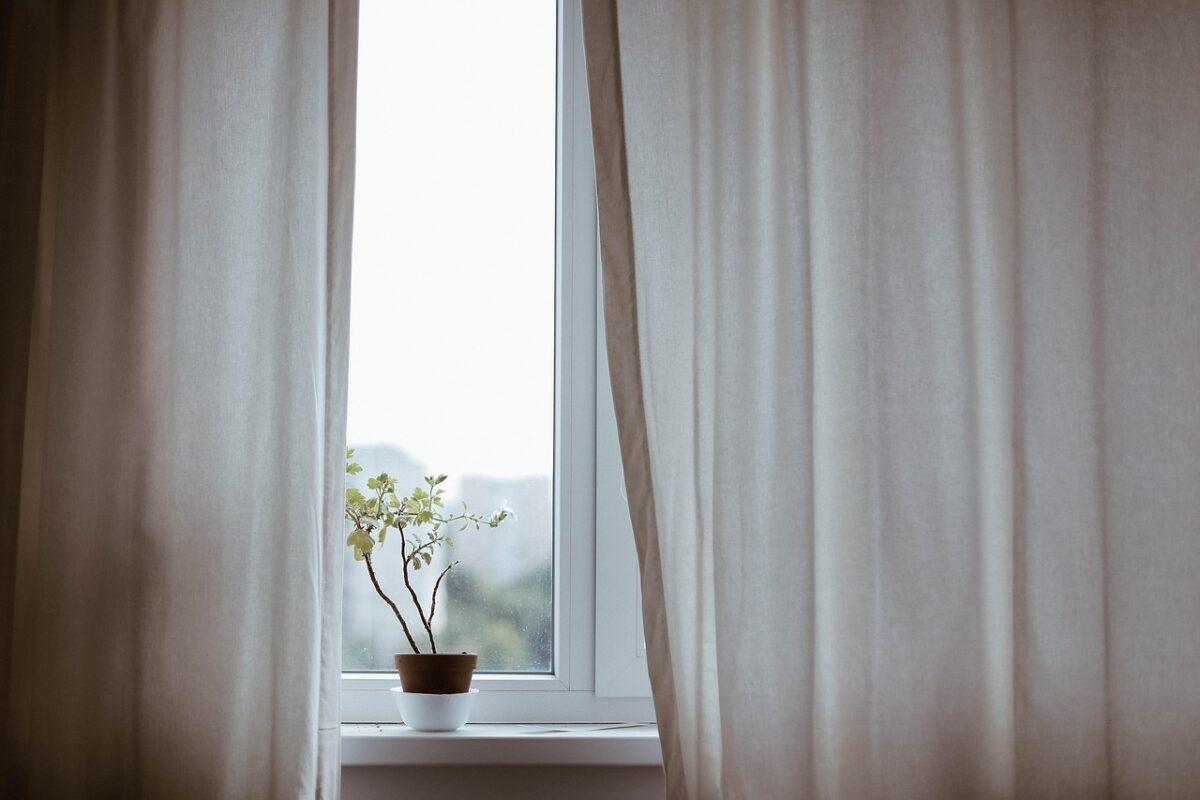
Window and Door Sealing Tips That Cut Heating Costs
Air leaks around windows and doors are one of the most common and most overlooked sources of energy waste in a home. The US Department of Energy estimates that drafts in a typical home are equivalent to leaving a window open every day of the year. That steady loss of conditioned air forces your heating
-

How to Find and Use Local Home Repair Assistance Programs
Home repairs do not wait for convenient timing. A failing roof, a broken furnace, or a deteriorating foundation is a problem whether the household budget has room for it or not. What many homeowners do not know is that a substantial infrastructure of repair assistance programs exists at the federal, state, county, and city level,
-

How to Lower Your Homeowners Insurance Premium This Year
Homeowners insurance is not optional for most people. Your mortgage lender requires it, and the protection it provides is genuinely valuable. What is optional is paying more than you need to. Premiums vary widely between providers, and the factors that determine your rate are more within your control than most homeowners realize. This guide covers
-
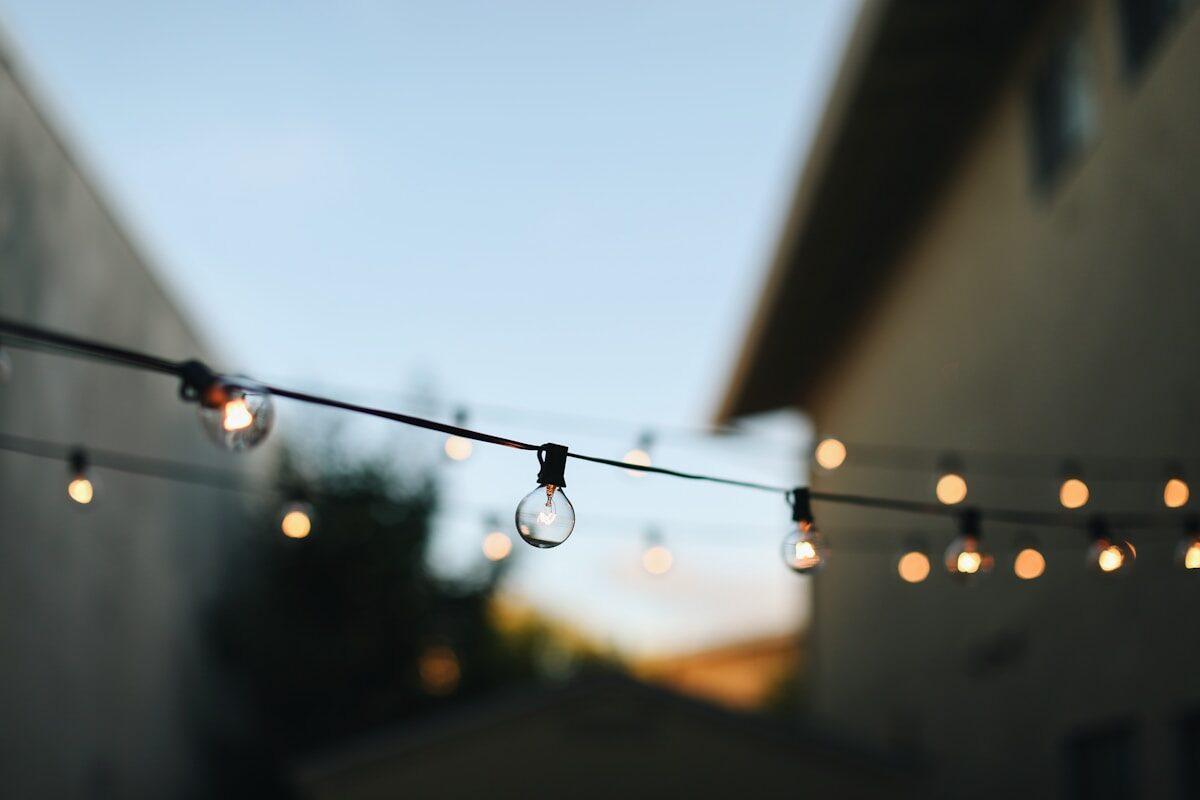
Outdoor Lighting Ideas That Boost Safety and Curb Appeal
Outdoor lighting serves two purposes that reinforce each other. It makes your home safer by illuminating entry points, pathways, and dark corners. It also shapes how your home looks from the street, contributing to curb appeal in ways that affect both daily enjoyment and long-term property value. The good news is that these two goals