
9 min read · Last updated September 28, 2026
- A basic chimney sweep with a Level 1 visual inspection averages $254 nationally (range $129 to $381), but it never requires a camera and cannot see inside the flue itself.
- A Level 2 inspection, which adds a video camera scan of the full flue interior, typically costs $200 to $1,000 depending on how many flues the chimney has.
- The Chimney Safety Institute of America’s own Level 2 inspection procedure recommends this level whenever a property is sold or transferred, a fuel type changes, or a new appliance is installed, not just after a chimney fire.
- Relining a cracked flue with a new stainless steel liner averages $1,200 to $4,600 once the damaged liner is removed, which is why a $254 sweep can turn into a bill several thousand dollars higher.
A Level 1 chimney inspection is a visual-only check of the parts of a chimney a technician can reach without tools, and it typically runs $100 to $950 on its own, though most annual sweeping visits already include it at no extra charge. A Level 2 inspection adds a video camera scan of the entire flue interior, costs $200 to $1,000, and is the only one of the three that can catch a cracked flue liner hiding behind an otherwise clean-looking chimney.
In this article
- What a Level 1 inspection actually covers
- Level 1 vs Level 2 vs Level 3, side by side
- Why a home sale or a new insert changes the requirement
- The three stages of creosote, and when a sweep is overdue
- The real cost when the camera finds a problem
- Frequently asked questions
Maria Delgado called a chimney sweep out to her 1962 brick colonial in Dayton, Ohio, the same week she listed the house for sale, expecting the standard $254 cleaning and a clean bill of health before the first cold night of the season. She had already worked through the rest of her fall checklist, including the furnace tune-up her home’s aging heating, ventilation, and air conditioning (HVAC) system needed, and treated the chimney as the last, routine box to check. The technician swept the flue, then told her the sale itself meant a basic visual check was not going to be enough. Six weeks later, after a video camera scan and a professional’s report, she was looking at a flue relining bill that ran into the thousands, not the hundreds.
What a Level 1 inspection actually covers
The National Fire Protection Association (NFPA) writes the country’s fire codes and defines three inspection levels in NFPA 211, its Standard for Chimneys, Fireplaces, Vents, and Solid Fuel-Burning Appliances. NFPA sells the full standard rather than publishing it free, so this article follows the Chimney Safety Institute of America (CSIA), the nonprofit that certifies chimney sweeps and builds its training on that same standard, publishing its own Level 1 inspection standard operating procedure for members.
A Level 1 inspection is the baseline. CSIA’s own procedure describes it as the “appropriate inspection when ‘nothing is changing’”: the chimney keeps being used the way it always has, with no new appliance and no fuel switch. The technician examines the readily accessible parts of the chimney exterior, the interior visible from the firebox, and the connection to the appliance. No rooftop access and no crawl space check. A video camera scan is not a required part of Level 1, though some companies throw one in anyway. Most annual sweeping visits already include a Level 1 check at no extra charge, and the full sweep-plus-inspection averages $254 nationally, with a typical range of $129 to $381, according to HomeAdvisor’s 2026 chimney-cleaning cost guide.
That is exactly why Level 1 has a blind spot. A technician standing at the firebox with a flashlight can tell you the flue looks clean. He cannot tell you whether the clay tile liner three feet up has a hairline crack running through it, because he cannot see past the first bend.
Level 1 vs Level 2 vs Level 3, side by side
| Factor | Level 1 | Level 2 | Level 3 |
|---|---|---|---|
| What’s included | Visual check of accessible chimney exterior, interior from the firebox, and the appliance connection. No ladders, no crawl spaces, camera scan not required. | Everything in Level 1, plus attic, crawl space, and basement access, and a full video camera scan of the flue interior. | Everything in Level 1 and 2, plus removal of chimney or building components to reach concealed sections. |
| What triggers it | Routine annual sweep, no known problems, same appliance and fuel as last year. | Home sale or transfer, a fuel or appliance change, relining plans, or damage from a chimney fire or storm. | A serious hazard is suspected that Level 2 could not fully confirm or rule out. |
| Typical cost | $100 to $950 (usually bundled into a $129 to $381 sweep) | $200 to $1,000, depending on flue count | $500 to $5,000, before any repair work |
| Best for | A homeowner with no changes and no red flags since last year’s sweep | A homeowner selling, buying, or changing what’s connected to the chimney | A homeowner or inspector who already suspects hidden structural damage |
Why a home sale or a new insert changes the requirement
This is not a law. No federal or state statute forces a home seller to produce a Level 2 chimney inspection before closing. It is a professional-practice recommendation, and CSIA’s own Level 2 inspection standard operating procedure for chimney sweeps is direct about when it applies: a Level 2 inspection “is also recommended when the property is being sold” and whenever “the conditions of use are changing,” including a new appliance, a different fuel type, or plans to reline the chimney.
In practice, that recommendation gets enforced two ways. A buyer’s inspector or lender may require it before closing. And a seller who skips it passes on a missed crack, which becomes the new owner’s problem at the first fire.
The same logic applies outside a sale. Swapping a wood-burning insert for a gas one, or adding a wood stove to a chimney that used to vent an open fireplace, changes how hot the flue runs and how creosote forms inside it. CSIA’s guidance treats a fuel or appliance change the same way it treats a sale: the old visual check no longer tells you enough, so the camera goes in.
The three stages of creosote, and when a sweep is overdue
Creosote is the byproduct of burning wood that condenses on the inside of a flue, and it builds up in stages, from a light, flaky soot that brushes out easily, to a sticky, tar-like layer, to a hard, glazed coating that is the hardest to remove and the most likely to ignite. CSIA’s own homeowner guidance does not number these stages, but it is direct about the glazed stage: any glaze present is reason to sweep sooner than the standard schedule.
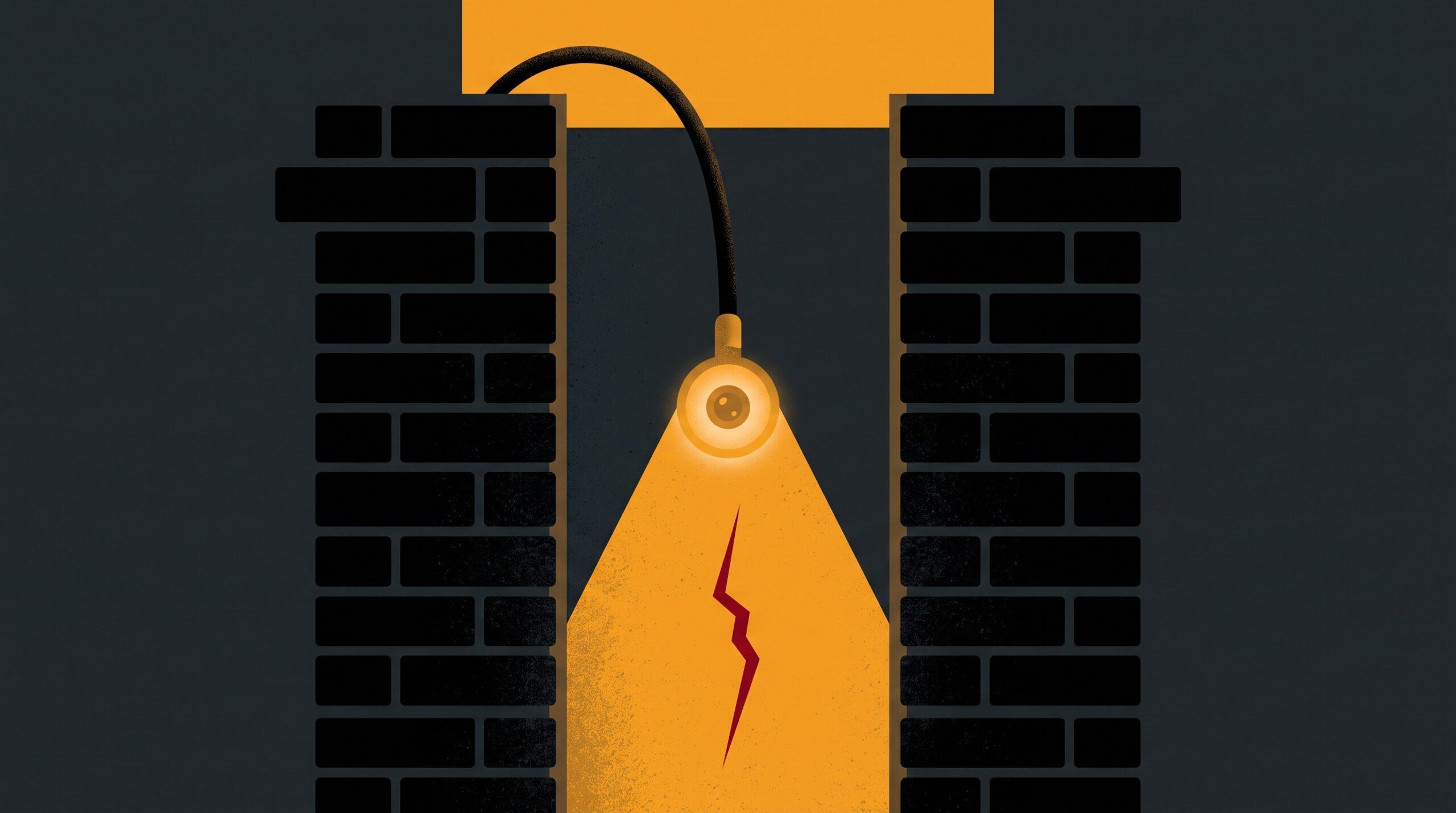
CSIA’s own standing recommendation is to sweep before buildup reaches 1/8 inch, and sooner than that if any glaze is present at all, because CSIA considers that amount of buildup enough to fuel a chimney fire capable of damaging the structure or spreading into the house. Once creosote reaches the glazed stage, a standard wire brush usually cannot remove it. A professional typically needs a chemical treatment to soften it first, or a rotary cleaning system, and neither is included in a routine sweep price.
The real cost when the camera finds a problem
Here is what actually happened on Maria’s chimney, with every line item traceable to a real cost range rather than a single invented number.
The base visit was a standard sweep with a Level 1 visual check: $254, squarely inside the national $129 to $381 range. Because the house was under contract, the technician added a Level 2 video camera scan of the single flue, which HomeAdvisor’s 2026 chimney inspection cost guide prices between $200 and $400 for a chimney with one flue. That brought the inspection total to somewhere between $454 and $654.
The camera found a cracked section of clay flue tile about six feet up, invisible from the firebox and invisible from the roof. The fix was a full reline: removing the cracked liner and installing a new flexible, double-wall stainless steel liner, the material most chimney professionals recommend because it works with any fuel type. Fixr’s chimney liner cost data puts a full reline, labor and material combined, at $1,200 to $4,600 on average for a single-family home with one flue.
Add the inspection cost to the reline cost and the total lands somewhere between roughly $1,650 on the low end and just over $5,200 on the high end, centered around $3,450 for a typical single-flue chimney. Maria’s own quote came in near the middle of that range. What started as a $254 line item on her closing checklist became a repair bill she had to negotiate into the sale price before the deal closed. Keep the technician’s written report either way. It is the same kind of maintenance record that can make or break a home warranty claim down the road if a chimney-related repair ever needs to be filed.
Skip the Level 2 scan only if nothing has changed since last year’s sweep and you are not selling, buying, or swapping appliances. Otherwise, the $200 to $400 scan is cheap next to what a missed crack costs later. Pay for it before the first fire, not after a buyer’s inspector finds the crack for you.
Frequently asked questions
What is the difference between a chimney sweep and a chimney inspection? A sweep physically removes soot and creosote from the flue. An inspection, even a Level 1, is a separate evaluation of the chimney’s condition. Many companies bundle a Level 1 inspection into an annual sweep visit, but a sweep alone does not include the camera scan a Level 2 inspection requires.
How much does a Level 2 chimney inspection cost? HomeAdvisor’s 2026 cost data puts a Level 2 inspection, which includes a video camera scan of the entire flue interior, at $200 to $1,000. Single-flue chimneys usually land between $200 and $400, while chimneys with multiple flues, or ones with several offsets and bends, run toward the higher end of that range.
Do I legally have to get a Level 2 inspection before selling my house? No. There is no federal or state law requiring it. It is a professional-practice recommendation from CSIA’s own inspection standard, and it gets enforced in practice when a buyer’s inspector or a mortgage lender makes it a condition of the sale, not because a statute demands it.
Can a cracked flue liner really turn a $254 sweep into a $3,000 repair? Yes. A Level 1 visual check cannot see past the first bend in the flue, so a cracked liner section further up goes undetected until a camera scan finds it. Once found, a full reline with a new stainless steel liner averages $1,200 to $4,600 on top of the inspection cost.
What does glazed creosote mean? It is the hardest, most dangerous stage of creosote buildup, a glazed coating that ordinary brushing cannot remove. CSIA’s own guidance treats any amount of glaze as reason to sweep sooner than the standard schedule. Reaching it usually means a chemical treatment or rotary cleaning is needed before the flue can be swept clean.
How often should I actually schedule a chimney inspection? CSIA recommends an inspection every year, regardless of how often you use the fireplace, because animals, debris, and weather can damage an unused chimney too. Schedule the sweep in early fall, before the first fire, so any repair work has time to happen before you need the fireplace.