
Mold is one of those household problems that sneaks up on you. It starts small, maybe as a dark spot in the bathroom or a faint musty smell in the basement. Left unchecked, it spreads quickly and becomes a serious issue for both your home and your health. The good news is that mold removal does not have to be overwhelming. With safe steps and consistent habits, you can keep mold under control and protect your living space.
Mold thrives in damp, humid environments. It damages surfaces, weakens structures, and can trigger allergies or respiratory problems. Ignoring mold allows it to spread, making removal more difficult and costly. Addressing it early keeps your home safe and prevents long‑term damage.
Identify Problem Areas
The first step in mold removal is identifying where it grows. Bathrooms, basements, kitchens, and attics are common hotspots. Look for discoloration on walls, ceilings, or floors. Pay attention to musty odors, which often signal hidden mold. Once you know the problem areas, you can target them effectively.
Improve Ventilation
Mold thrives in stagnant air. Improving ventilation reduces humidity and discourages growth. Use exhaust fans in bathrooms and kitchens, open windows when possible, and consider dehumidifiers in damp areas. Proper airflow keeps moisture levels balanced and makes your home less inviting to mold.
Clean with Safe Solutions
When tackling small patches of mold, safe cleaning solutions work well. Vinegar, baking soda, and hydrogen peroxide are effective options. Apply the solution, scrub gently, and rinse thoroughly. Always wear gloves and masks to protect yourself from spores. For larger infestations, professional help may be necessary.
Control Moisture
Moisture is the root cause of mold. Fix leaks in plumbing, roofs, or windows promptly. Dry wet areas within 24 to 48 hours to prevent growth. Use waterproof materials in bathrooms and kitchens to reduce risk. Controlling moisture is the most important step in mold prevention.
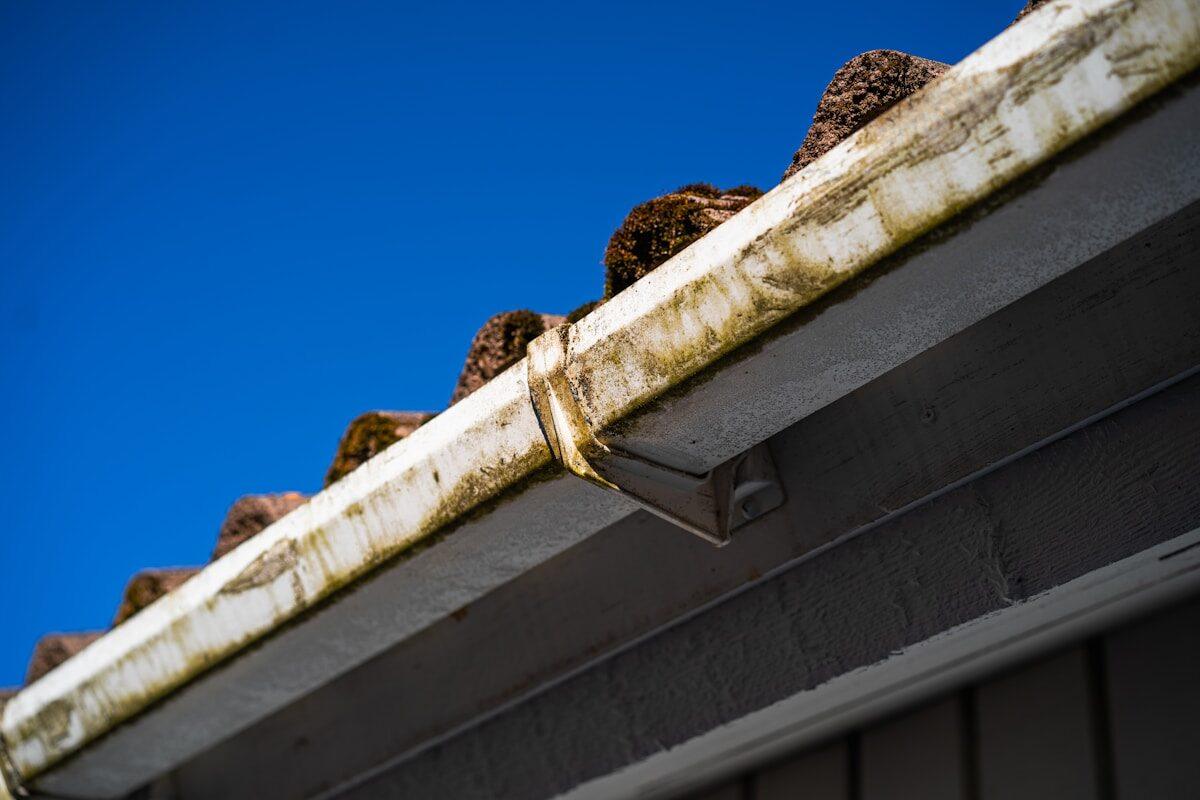
Moisture can also come from outside sources, which is why gutter cleaning tips are surprisingly important in mold prevention. Clogged gutters cause water to overflow and seep into walls or foundations, creating the perfect conditions for mold to thrive. Simple practices like removing leaves, checking downspouts, and flushing gutters with water ensure rainwater flows away from your home. These small maintenance steps may seem basic, but they go a long way in keeping your home dry and mold‑free.
Use Mold‑Resistant Products
When renovating or repairing, choose mold‑resistant materials. Paints with mold inhibitors, drywall designed for damp areas, and flooring that resists moisture all help. These products provide long‑term protection and reduce the likelihood of future infestations.
Protect Fabrics and Furniture
Mold does not limit itself to walls and ceilings. It can grow on fabrics, carpets, and furniture. Keep these items dry and clean. Wash curtains and upholstery regularly, and vacuum carpets with HEPA filters. If items become heavily infested, replacement may be the safest option.
Monitor Humidity Levels
Humidity levels above 60 percent encourage mold growth. Use hygrometers to monitor indoor humidity. Dehumidifiers and air conditioners help maintain safe levels. Monitoring ensures you catch problems before they escalate.
Safety Precautions
Mold removal requires caution. Always wear protective gear such as gloves, masks, and goggles. Avoid mixing cleaning solutions, as this can create harmful fumes. Dispose of contaminated materials properly. Safety ensures you protect yourself while addressing the problem.
When to Call Professionals
Small patches of mold can often be handled by homeowners. However, large infestations or mold hidden behind walls require professional help. Experts have the tools and knowledge to remove mold safely and thoroughly. Calling professionals prevents incomplete removal and recurring problems.
Long Term Prevention
Mold removal is not just about cleaning; it is about prevention. Regular inspections, moisture control, and ventilation keep mold from returning. Building habits ensures your home stays safe and healthy. Prevention saves money and reduces stress.
Tips
Here are a few practical steps to keep mold under control:
- Inspect bathrooms and basements regularly.
- Use exhaust fans during showers and cooking.
- Fix leaks immediately.
- Clean gutters to prevent water buildup.
- Wash fabrics and carpets often.
- Monitor humidity with hygrometers.
These habits make mold removal easier and prevention more effective.
Mold removal prevents structural damage, reduces allergens, and keeps living spaces comfortable. Addressing mold early saves money and ensures peace of mind. Safe steps and consistent habits make the process manageable. Mold may be persistent, but it is not unbeatable. Identifying problem areas, improving ventilation, and controlling moisture are key steps. Safe cleaning solutions and mold‑resistant products add protection. And with consistent care, including simple maintenance like gutter cleaning tips, you can remove mold safely and prevent it from returning. Mold removal made easy is about more than cleaning; it is about creating a healthy home environment your family can enjoy for years.


Leave a Reply