
Let’s be honest, utility bills have a way of creeping up on us. You think you’re doing everything right, but then the monthly statement arrives and it’s higher than expected. The truth is, small leaks, drafts, and inefficiencies around the house add up. Weatherproofing is one of the most effective ways to cut those hidden costs. It doesn’t require a huge budget or complicated tools, just a little attention to detail and a willingness to make changes. Let’s walk through practical hacks that can make a real difference.
Seal Windows and Doors
Drafts around windows and doors are some of the biggest culprits when it comes to wasted energy. Even tiny gaps let conditioned air escape, forcing your heating and cooling systems to work harder. Applying weatherstripping or caulk is a simple fix that pays off quickly. Thermal curtains add another layer of protection, keeping rooms warmer in winter and cooler in summer. Once you seal those gaps, you’ll notice the difference in comfort and in your utility bills.
Insulate Attics and Basements
Attics and basements are often overlooked, yet they play a huge role in energy efficiency. Heat rises, which means poor attic insulation lets warmth escape during winter. Basements with inadequate insulation allow cold air to seep in. Adding insulation in these areas creates a barrier that stabilizes indoor temperatures. It’s not glamorous work, but it’s one of the most effective weatherproofing hacks you can tackle.
Maintain Your Roof
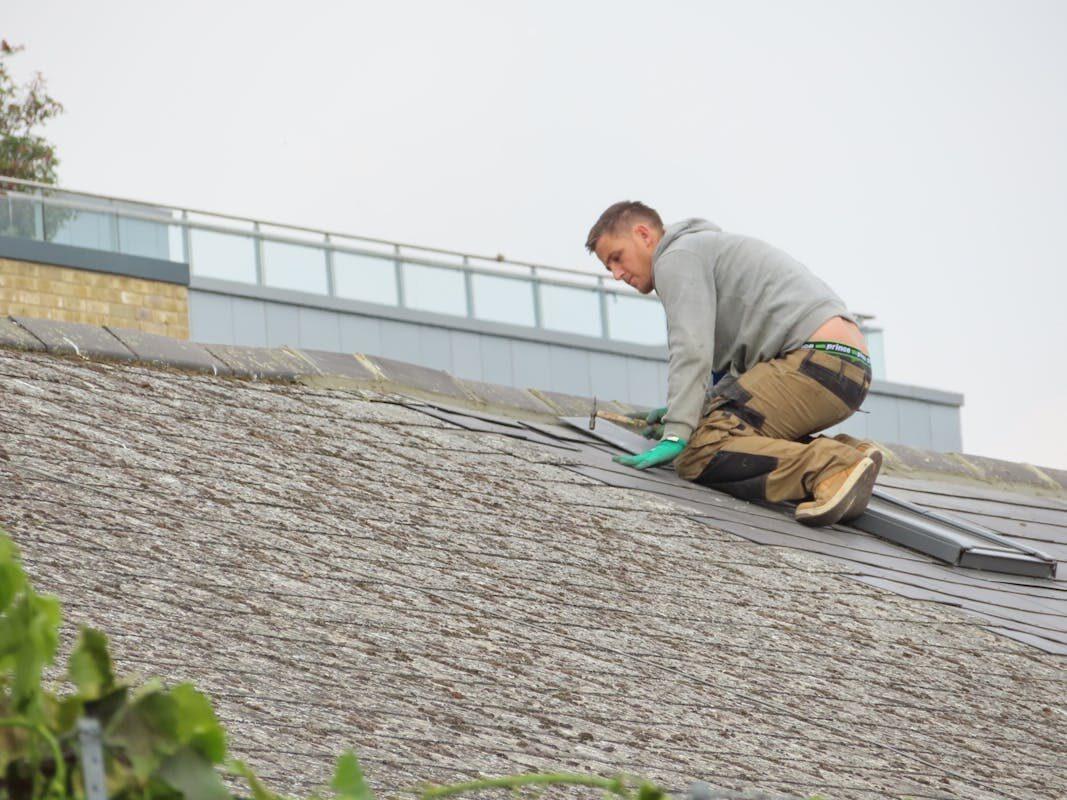
A roof in good condition protects against leaks and keeps your home insulated. Damaged shingles or weak spots allow water and air to penetrate, leading to higher energy costs and potential structural damage. Inspecting your roof regularly and making small repairs prevents bigger problems later. A well‑maintained roof is a critical part of keeping your home energy‑efficient.
Upgrade Exterior Walls
Exterior walls can lose energy if they are not properly insulated. Adding siding with insulation backing or applying spray foam in problem areas helps reduce heat transfer. This step is especially important for older homes that may not have been built with modern energy standards. Improving wall insulation is a bigger project, but it delivers long‑term savings.
Service Heating and Cooling Systems
Your HVAC system works hard year‑round, and it needs regular attention to stay efficient. Changing filters, cleaning ducts, and scheduling professional tune‑ups keep the system running smoothly. A neglected system consumes more energy and struggles to maintain comfortable temperatures. Servicing your HVAC is a weatherproofing hack that protects both your wallet and your comfort.
Protect Pipes
Frozen pipes are not only inconvenient but also expensive to repair. Wrapping exposed pipes with insulation sleeves prevents freezing and reduces heat loss. This step is especially important in colder climates where winter temperatures drop significantly. Protecting pipes is a small effort that prevents costly emergencies.
Use Smart Thermostats
Smart thermostats adjust temperatures based on your habits and preferences. They learn when you are home, asleep, or away, and optimize energy use accordingly. Remote control features let you make adjustments even when you’re not at home. Installing a smart thermostat is one of the easiest ways to slash utility bills while keeping your home comfortable.
Conduct a Home Energy Audit
As you work through these improvements, it’s worth emphasizing the value of a home energy audit. An audit helps you identify where energy is being wasted and which upgrades will deliver the greatest savings. Professional audits are available, but you can also do a DIY version by checking for drafts, inspecting insulation, and reviewing appliance efficiency. Once you know where the problems are, you can prioritize weatherproofing hacks that make the biggest impact. A home energy audit is the foundation for smarter decisions about your home.
Install Storm Windows and Doors
Storm windows and doors add an extra layer of protection against the elements. They reduce drafts, improve insulation, and help maintain stable indoor temperatures. Modern designs are easy to install and blend seamlessly with existing structures. This upgrade is particularly useful in regions with harsh winters or hot summers.
Landscape for Efficiency
Believe it or not, landscaping plays a role in weatherproofing. Planting trees strategically provides shade in summer and wind protection in winter. Shrubs near the foundation help insulate the home by reducing exposure to cold air. Landscaping is a natural way to complement other weatherproofing efforts while improving curb appeal.
Check Water Heaters
Water heaters consume a significant amount of energy. Insulating the tank and pipes reduces heat loss, while lowering the temperature setting saves money without sacrificing comfort. If your water heater is old, consider upgrading to a more efficient model. This step is often overlooked, yet it contributes meaningfully to lower utility bills.
Weatherproofing is effective because it addresses the root causes of energy waste. Drafts, poor insulation, and inefficient systems all force your home to consume more energy than necessary. Tackling these issues reduces strain on your HVAC, lowers utility bills, and improves comfort. The best part is that many weatherproofing hacks are inexpensive and easy to implement.
Utility bills don’t have to feel unpredictable. Weatherproofing hacks give you control by eliminating hidden energy drains. Sealing windows, insulating attics, servicing HVAC systems, and conducting a home energy audit are practical steps that deliver real savings. Each improvement builds on the others, creating a home that is efficient, comfortable, and cost‑effective. With a checklist of weatherproofing tasks, you can slash utility bills and enjoy peace of mind knowing your home is prepared for every season.


Leave a Reply