
9 min read · Last updated August 10, 2026
- Polybutylene pipe was installed between January 1, 1978 and July 31, 1995, which means the youngest polybutylene home in the country is 31 years old in 2026.
- Florida’s Citizens Property Insurance will not write new business on a home over 20 years old with polybutylene piping on six of its policy forms. Because installation stopped in 1995, no polybutylene home can still meet that age exception.
- Water damage and freezing claims averaged $13,954 each between 2018 and 2022, and about one insured home in 60 files one every year.
- A $9,400 whole-house repipe costs less than one average water damage claim, and it is the only move that removes the underwriting objection.
In this article
- How to tell what is actually behind your wall
- Why patching stops being the cheaper choice
- The insurance clock runs faster than the pipe
- The worked comparison on one real house
- Frequently asked questions
Ray and Denise have had two pinhole leaks in fourteen months in an 1,850 square foot house outside Orlando. The first cost $1,300 to fix, the second $1,550, and both times the plumber said the same thing on the way out: the pipe is polybutylene, and this will keep happening. They are waiting for a third leak to decide. It will not be what decides it.
If a carrier nonrenewal happens before the repipe is finished, the servicer can force-place a policy in the meantime — the Consumer Financial Protection Bureau’s force-placed insurance overview explains how that process works and what it costs.
How to tell what is actually behind your wall
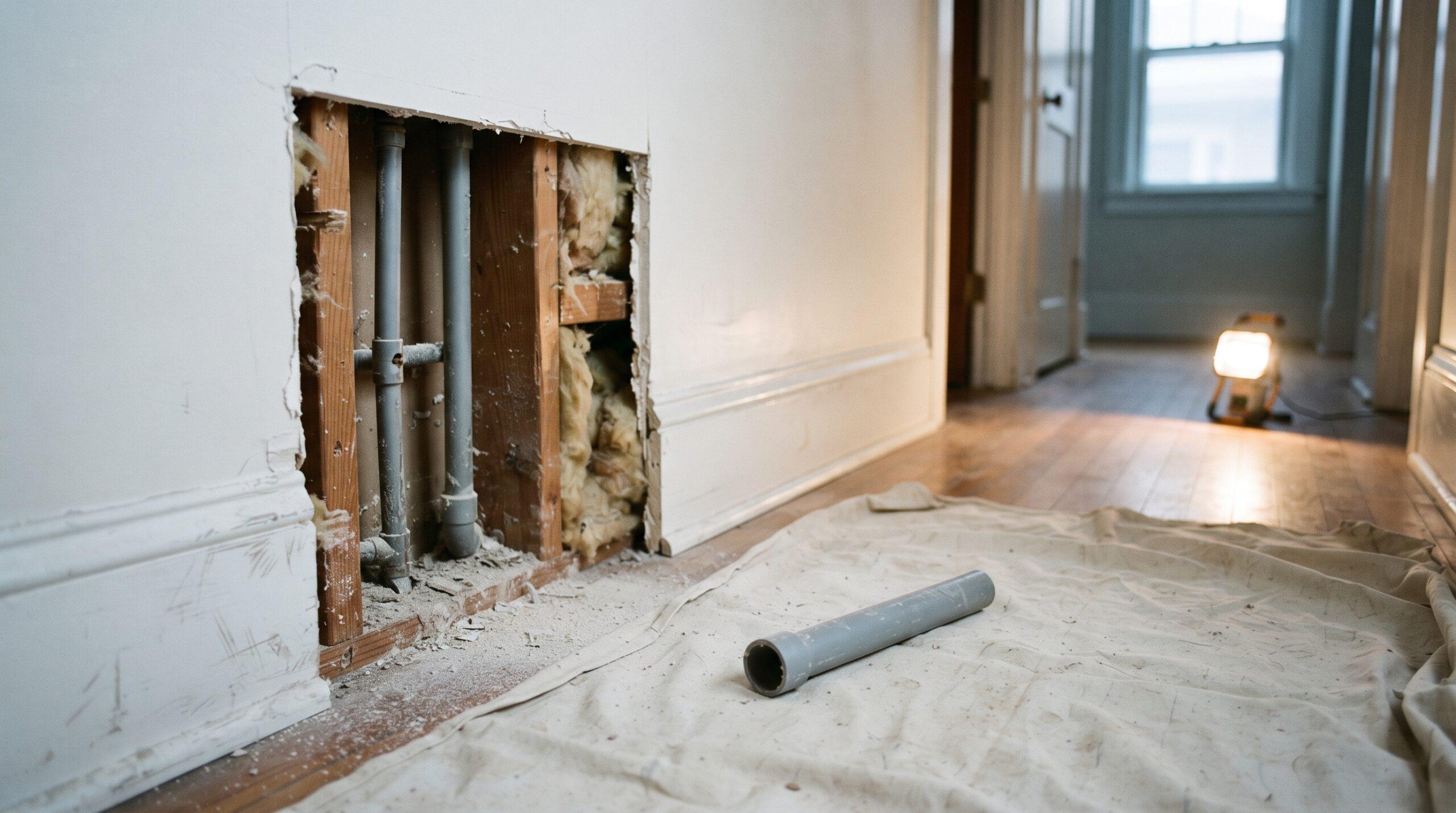
Before any money question, you need to know what material you have. The official class action notice from Cox v. Shell Oil Company, the case that produced a $1.073 billion settlement entered on November 17, 1995, describes polybutylene precisely enough to identify by eye, and more precisely than most descriptions online.
Polybutylene pipe is non-rigid and sometimes curved, usually grey, though it can be silver or black. Where it runs underground from the water company it is typically blue, grey or black. It was used only for water supply, never for drains, waste or vent piping. And critically, it is not PVC or CPVC, which is rigid and white. If the plastic pipe under your sink is stiff and white, you do not have polybutylene.
For Florida policy decisions, the Florida Department of Financial Services homeowners-insurance overview explains coverage questions and nonrenewal-notice requirements. For the plumbing-claim side, NAIC’s consumer guidance on burst-pipe water damage explains why policy language and reasonable maintenance matter. For the statutory notice rule, Florida Statute 627.4133 sets out the state’s nonrenewal requirements.
The other material worth identifying is galvanized steel: grey metal, magnetic, threaded rather than glued. Galvanized fails from the inside out, narrowing as it corrodes, so its warning sign is falling pressure and rusty first-draw water rather than sudden leaks.
Look at the water heater, under bathroom and kitchen sinks, and at the main shutoff. A licensed plumber can identify it in one visit.
Why patching stops being the cheaper choice
A single leak is a repair. The reason the second and third leaks change the arithmetic is that they are not independent events.
Polybutylene does not fail because one fitting was installed badly. It fails because the material degrades from the inside as treated municipal water works on it over decades, which is why failures arrive in clusters once a system reaches the end of its life. Patching the one spot that failed leaves the rest of the identical, identically aged pipe in the wall. You are buying time one splice at a time, and each splice costs the drywall, the paint, and the cabinet you cut.
The leak count matters less than the pattern. One leak in a twenty-year-old copper system tells you little. Two in fourteen months in a polybutylene system tells you it has entered its failure window, and the interval tends to shorten.
Water damage is not a cheap loss when it goes wrong. Across 2018 to 2022, water damage and freezing claims averaged $13,954 each, per Triple-I’s compilation of ISO data, and made up 27.6% of all homeowners losses in 2022. About one insured home in 60 files such a claim every year. A pinhole leak you catch in a day costs $1,300. The same leak running behind a wall for a week is a different number, and what your policy will not pay for matters a great deal then.
The insurance clock runs faster than the pipe
Here is the part that actually forces the decision, and almost nobody frames it this way.
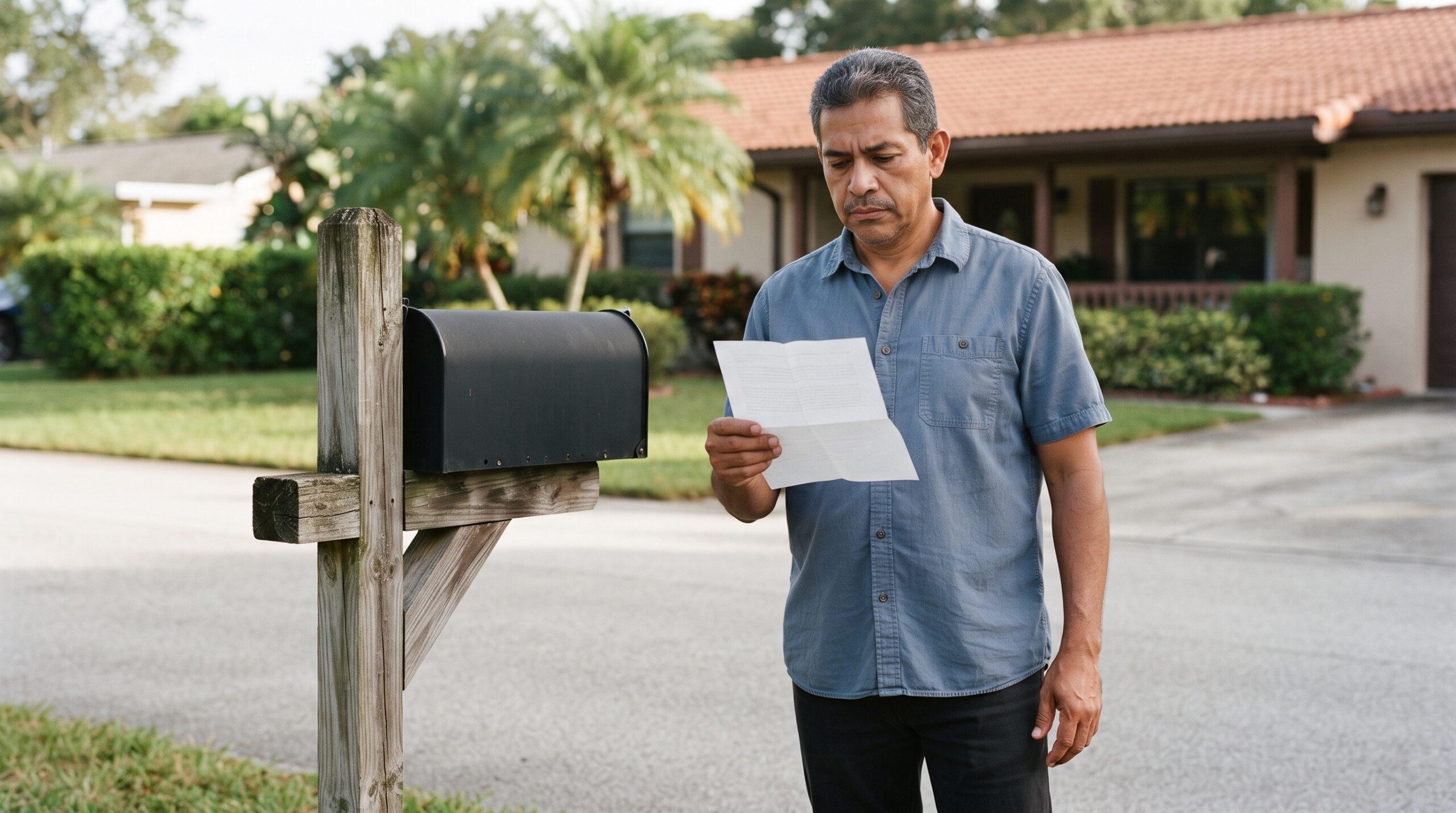
Insurers do not wait for your pipe to fail. They underwrite on the material. Florida’s Citizens Property Insurance Corporation, the state-created insurer of last resort, publishes its rule plainly. Dwellings 20 years old or newer with polybutylene piping may be eligible if there are no signs of leaks, unrepaired water damage, disrepair or hazards. New-business risks over 20 years old with polybutylene are not insurable on six policy forms, including its standard homeowners and dwelling property forms. If a non-renewal notice over this exact material has already landed in your mailbox, the age math above is background. Our guide to spending the notice window itself covers Florida’s statutory notice period and the repipe-versus-shop decision.
Now put that rule next to the calendar. Polybutylene installation ended July 31, 1995, so in 2026 the newest possible polybutylene house is 31 years old. Every polybutylene home is therefore over the 20-year line, which means the age exception cannot apply to any of them anymore. That door closed quietly, without an announcement, around 2015.
Citizens told NBC 6 South Florida the same thing more bluntly: “Like most others in the insurance industry, Citizens does not insure properties with polybutylene piping.” The Florida Office of Insurance Regulation confirmed to the station that an insurer “may consider the age of the home, roof, plumbing, electrical wiring or the heat and air” in deciding whether to offer coverage. The homeowner in that story had no active plumbing problems at all. She was told to replace her pipes to get a policy.
The consequence is not simply a higher premium. You stop shopping for a better price and start shopping for any standard policy at all. Once the insurer of last resort has ruled your house out on a criterion you cannot age out of, what remains is a surplus-lines policy written outside the standard market, or nothing, and your mortgage requires coverage.
The worked comparison on one real house
Ray and Denise’s numbers, with every input named so you can substitute your own.
The house is 37 years old, 1,850 square feet, single-story, polybutylene supply lines throughout. Their homeowners premium is $3,150 a year with a $1,000 all-other-perils deductible.
What the leaks have cost so far. Leak one, March 2025, behind the laundry wall: $780 for the plumber, $520 for drywall and paint, so $1,300. Leak two, May 2026, in the kitchen wall: $640 for the plumber, $910 for the cabinet and drywall, so $1,550. Total $2,850 across 14 months. They filed no claims, correctly: each repair sat close enough to the $1,000 deductible that a claim would have netted a few hundred dollars while putting a water loss on their record.
What that works out to per month. $2,850 divided by 14 months is about $204 a month they have been spending on plumbing without calling it that.
Their repipe quote. $9,400 for a whole-house PEX repipe, including drywall patching and the permit. That is their quote on their house, not a national average; yours will differ with square footage, stories, routing and access.
The straight break-even. $9,400 divided by $204 a month is about 46 months. On leak-repair spending alone, the repipe pays for itself in just under four years, and that assumes the leak interval does not shorten.
The number that actually decides it. Their $9,400 repipe costs less than $13,954, the average water damage and freezing claim. One bad leak behind a wall and they have spent more than the permanent fix while still owning the pipe that caused it. Set that against what money cannot buy back: at 37 years old with polybutylene, their house is an automatic decline on the criterion Citizens publishes, and no amount of claim-free history changes pipe material. The repipe is the only move that removes the objection, and it is documentable.
That is the decision. Not the third leak.
| Factor | Repair each leak as it comes | Repipe now |
|---|---|---|
| Cash out today | $0 until the next leak | $9,400 on this house |
| Spending so far, per month of ownership | About $204, and rising as leaks cluster | One-time, then near zero on supply lines |
| Effect on your claim record | Each claim you do file adds a water loss | Removes the cause before a claim happens |
| Effect on renewal and shopping | The material remains an underwriting objection at every carrier | Removes the objection, and you can document it |
| Cost against one average water claim | A single $13,954 claim exceeds the repipe, and you still own the pipe | $9,400, and the cause is gone |
| Best for | Copper or PEX systems with one isolated failure and no underwriting flag | Any polybutylene home, and galvanized homes already losing pressure |
Two notes before you sign. Compare bids line by line, because repipe quotes vary enormously on what they include for drywall and permits, and reading a plumbing quote properly separates a $9,400 bid from a $9,400 bid plus $2,000 of excluded patching. If a leak happens before the work is scheduled, what you do in the first ten minutes decides whether it stays a repair. If the trouble is on the waste side instead, that is a different decision with different economics.
Frequently asked questions
How do I know if I have polybutylene pipe?
It is non-rigid and sometimes curved, usually grey, sometimes silver or black, and blue or grey where it enters from the street. It was used only for water supply lines. It is not PVC or CPVC, which are rigid and white. Check at the water heater, under sinks, and at the main shutoff.
Will my homeowners insurance pay to replace the pipes?
Almost never. Policies cover sudden accidental damage caused by a failure, such as the ruined drywall and flooring, not the cost of replacing the plumbing itself. Replacing worn pipe is treated as maintenance. Read your own policy’s wear and tear language, since the exact wording varies by carrier and form.
Can my insurer really drop me over pipe material with no claims?
Yes. Underwriting eligibility is separate from claims history. Citizens Property Insurance in Florida states that new-business risks over 20 years old with polybutylene piping are not insurable on six of its policy forms, regardless of whether the pipes have ever leaked. Other carriers apply similar rules.
Is galvanized steel pipe as urgent as polybutylene?
Usually less urgent but not harmless. Galvanized corrodes internally and narrows over decades, so it announces itself through falling water pressure and rusty first-draw water rather than sudden pinhole leaks. It rarely triggers the same blanket underwriting refusals, but it does eventually need replacing.
Should I repipe in PEX or copper?
Most 2026 residential repipes use PEX, which is flexible, cheaper to install because it needs fewer fittings and less demolition, and resistant to freeze bursting. Copper costs more and takes longer. Ask each bidder to quote the same material so you are comparing labor and scope rather than two different projects.
Does replacing the pipes actually get my coverage back?
It removes the specific objection, which is the point. Keep the permit, the invoice and photographs of the new lines, and give them to the underwriter when you shop. A documented full repipe turns your house from an automatic decline on that criterion into an ordinary risk.