
Homeowner guides for expensive decisions.
Practical answers before you refinance, file a claim, hire a contractor, replace a system, or sign a home warranty.
The decisions homeowners are facing now.
The tax credit is gone. What does a heat pump water heater actually cost now?
The payback math changed. Here is how to think about the upfront cost without the federal credit.
Read the guide → Home securityWhat does your monitoring contract really charge if you leave?
The fine print matters more than the headline monthly price.
Read the guide → Mortgage & HELOCShould you pay points or take the lender credit?
The break-even math is different for every loan and every rate quote.
Read the guide →Latest guides
-

Her Lender Offered to Drop Escrow for a Quarter Point. On a $420,000 Loan That Costs $840 a Year to Keep $150.
Dropping escrow sounds like taking control of your own money. Priced as a rate add-on, it almost never pays. Here is the math, and the federal rule most homeowners have backwards.
-

The Renewal Quote Came in 27% Higher. You Now Know Something You Did Not Know Last Year.
A home warranty is a one-year service contract, so renewing is a fresh purchase at a new price. The difference is that this time you have twelve months of your own claim history to decide against.
-
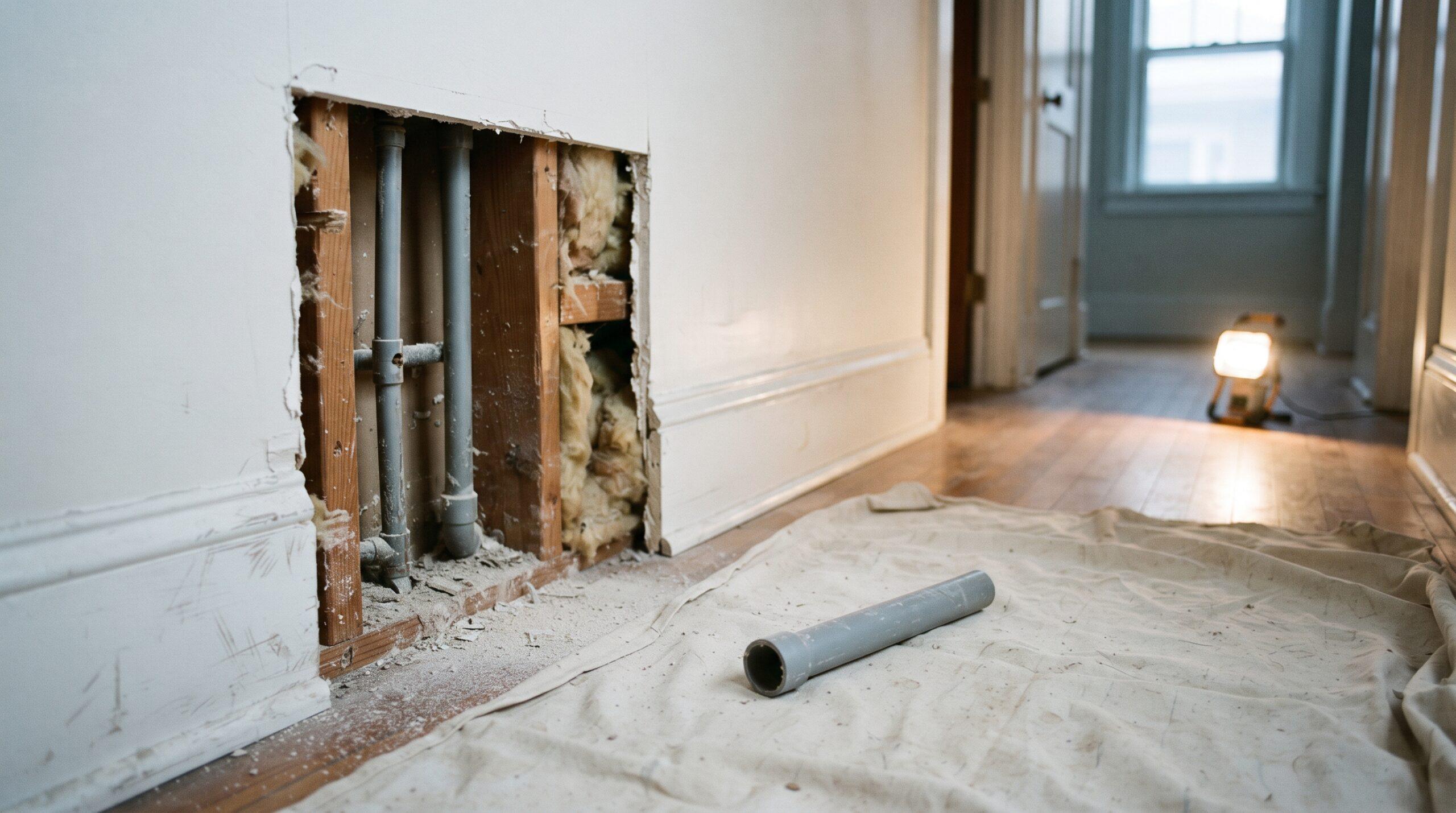
Two Leaks in Fourteen Months. Your Insurer Decides the Repipe Before the Third Leak Does.
Polybutylene stopped going into houses in July 1995, which makes the youngest one 31 years old. That single fact has quietly closed the insurance exception most homeowners are still counting on.
-

Her Escrow Statement Added $250 a Month. Only $75 of It Is Permanent.
About 65% of escrow accounts are projected to run short this year. The statement shows one bigger payment, but two different increases are hiding inside it, and only one of them is permanent.
-
Your Premium Rose Two Years Straight and Your Dwelling Limit Never Moved. Here Is How to Force a Rebuild-Cost Re-Run
A premium increase is a rate decision. A stale dwelling limit is a coverage decision, and it is the one you can actually make the carrier revisit.
-

Down Payment Assistance Is Usually a Second Mortgage. Ask These Three Questions Before You Sign
Forgivable, deferred, and repayable assistance are three different obligations wearing the same name. Here is what each one actually costs you five years in.
-

Your HELOC Is 40% Drawn. Your Next Mortgage Lender Sees That Balance, Not the One After You Pay It Down
A payment made three days before the lender pulls credit usually does not show up. Here is what a drawn home equity line actually does to a mortgage application, and the paydown timing that works.
-
Selling Next Year? Three Exterior Projects Beat a Kitchen Remodel by $19,600
Only five of the 28 projects in the latest Cost vs Value report return more than they cost, and eight of the top ten are exterior replacements. Here is the math on a $19,000 pre-listing budget.
-

Before You Install a Security System, Look Up Your City’s False Alarm Fines
Monitoring is the price you get quoted. The permit fee and the escalating false alarm fines from your city are the ones nobody mentions until the bill arrives.
-

Mortgage Rates Just Hit an 11-Month High. That Is Exactly When a Second Quote Pays the Most
When rates climb, the gap between what two lenders quote the same borrower widens. Here is what Freddie Mac’s own research says a second quote is worth, and the payment math on a median-priced home.
-
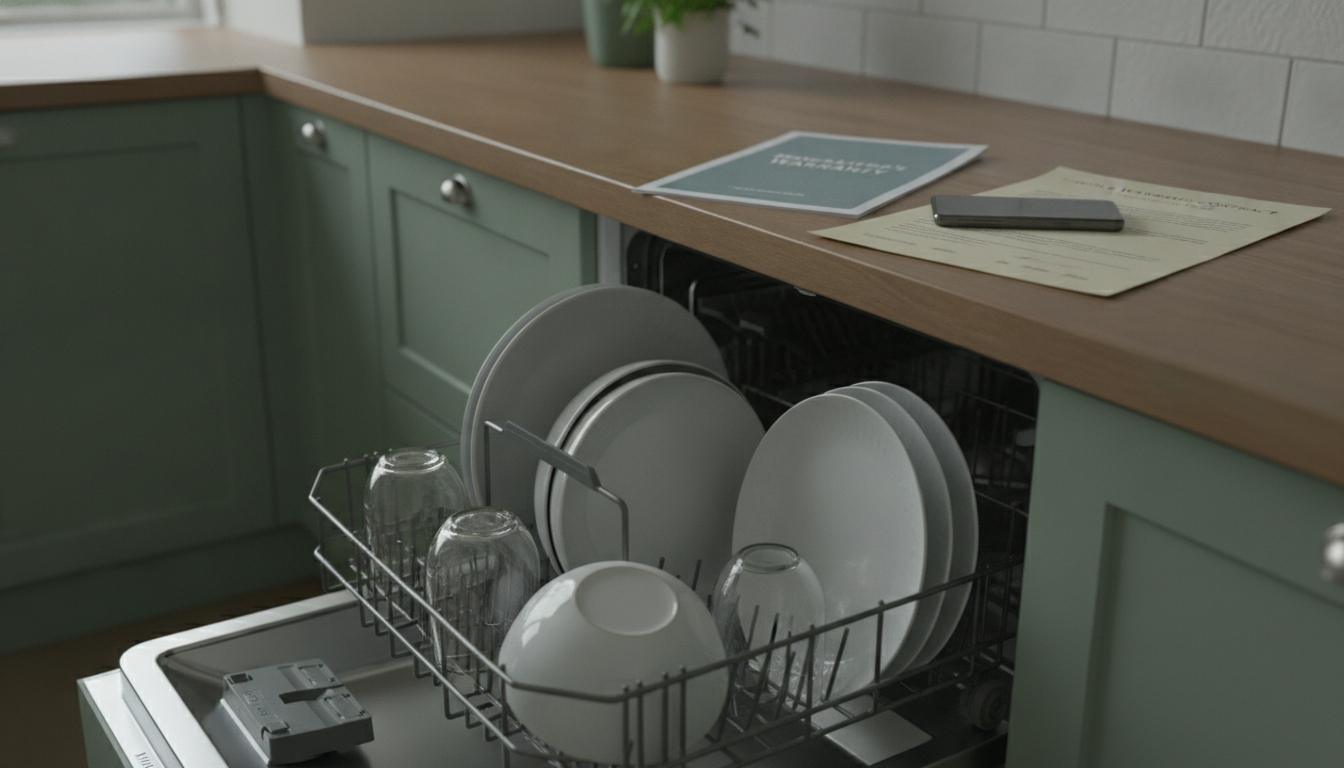
Your Dishwasher Is Under Both a Manufacturer Warranty and a Home Warranty. Which One Do You Call First?
When an appliance is covered by both a manufacturer warranty and a home warranty, the order you call matters. Call the wrong one first and you can lose a service fee to an automatic denial.
-
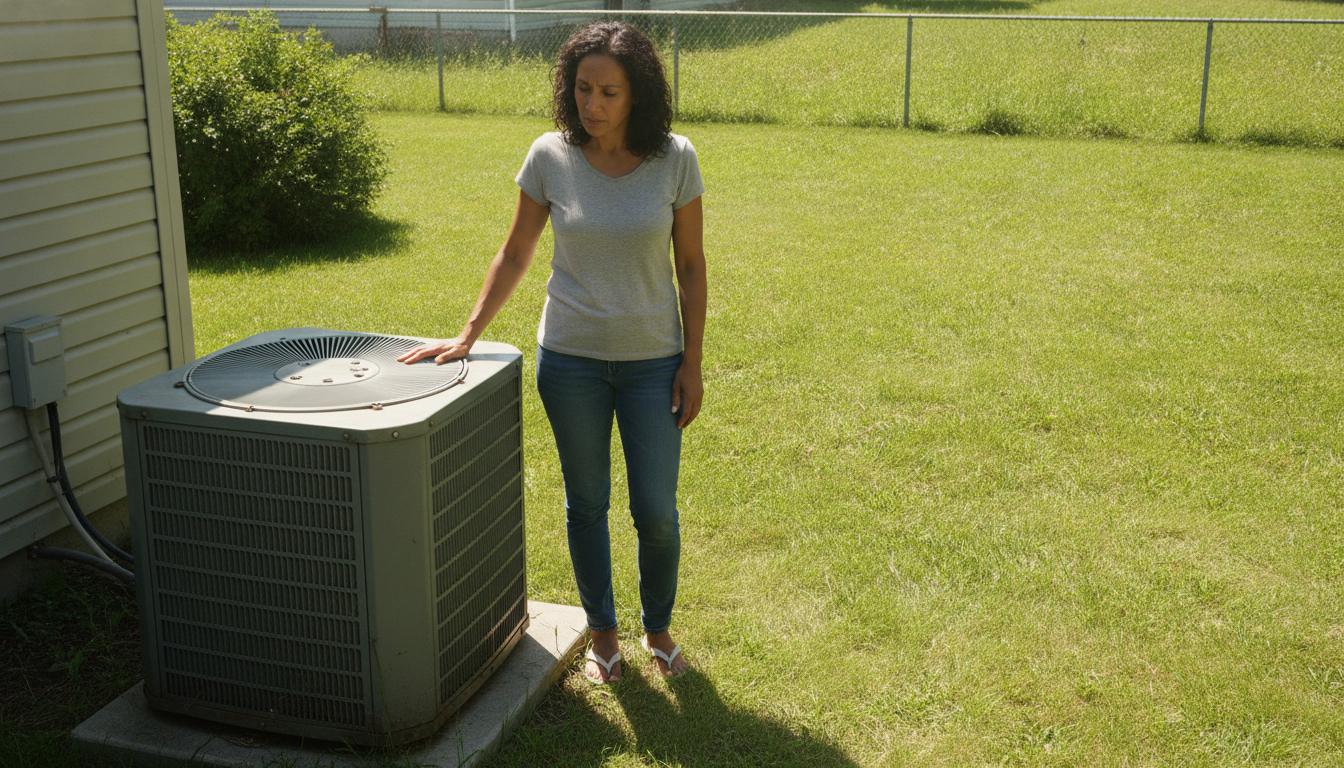
Your AC Is 12 Years Old and Straining Through This Heat Wave. Repair Again or Replace Now?
A 12-year-old central AC struggling in a heat wave forces a fast decision. Here is how to tell if it is actually broken, and the age-and-cost math that settles repair versus replace.
-

Paying Extra on Your Mortgage This Year? Check for a Prepayment Penalty Clause First
Most conventional loans no longer carry a prepayment penalty, but some still do. Before you send a lump sum or recast, here is how to check yours and what it can cost.
-
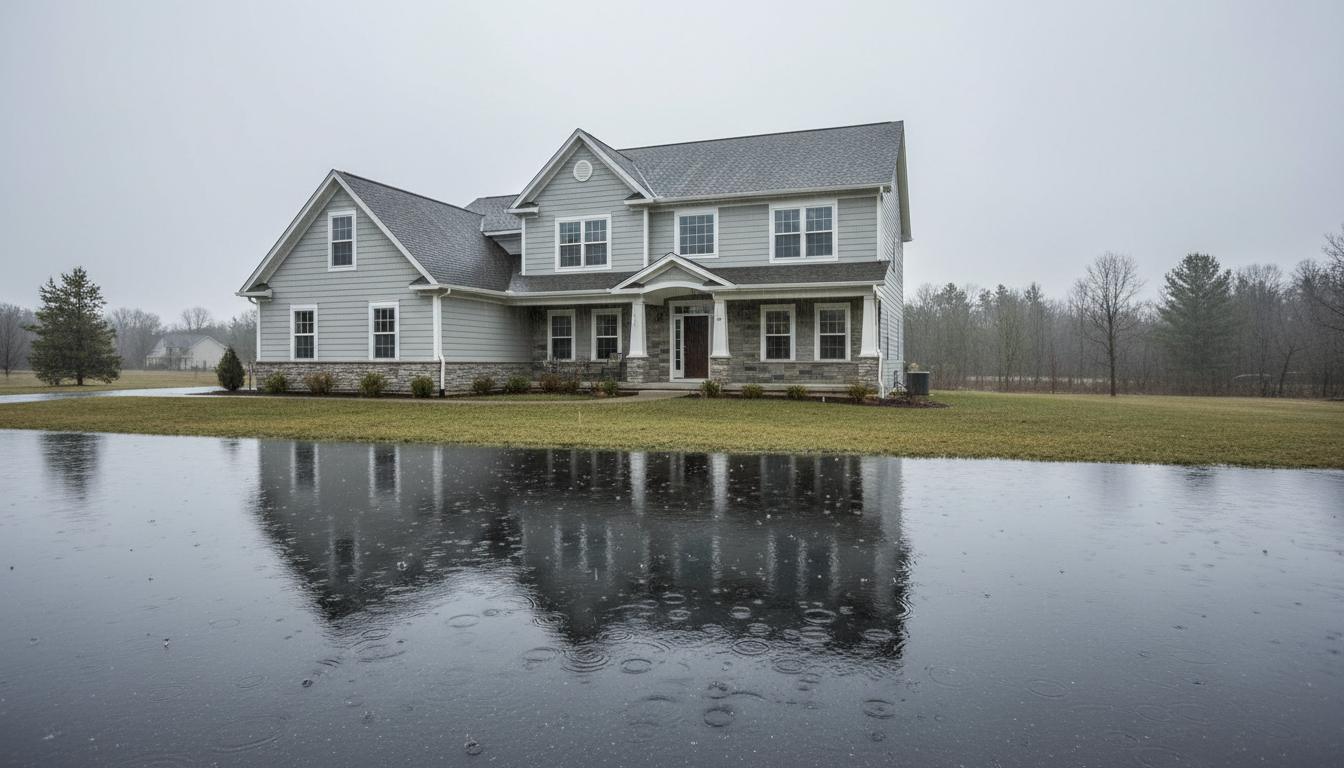
Your Home Isn’t in a FEMA Flood Zone. Do You Still Need Flood Insurance?
Your lender doesn’t require flood insurance because your home sits outside the mapped flood zone. Here is why that map may not tell the whole story.
-

Starter Home Now or Wait to Save a Bigger Down Payment? The Math First-Time Buyers Get Backward
You could buy a starter home now with 5% down, or wait two years and put down 15%. Here is the math first-time buyers usually run backward.
-
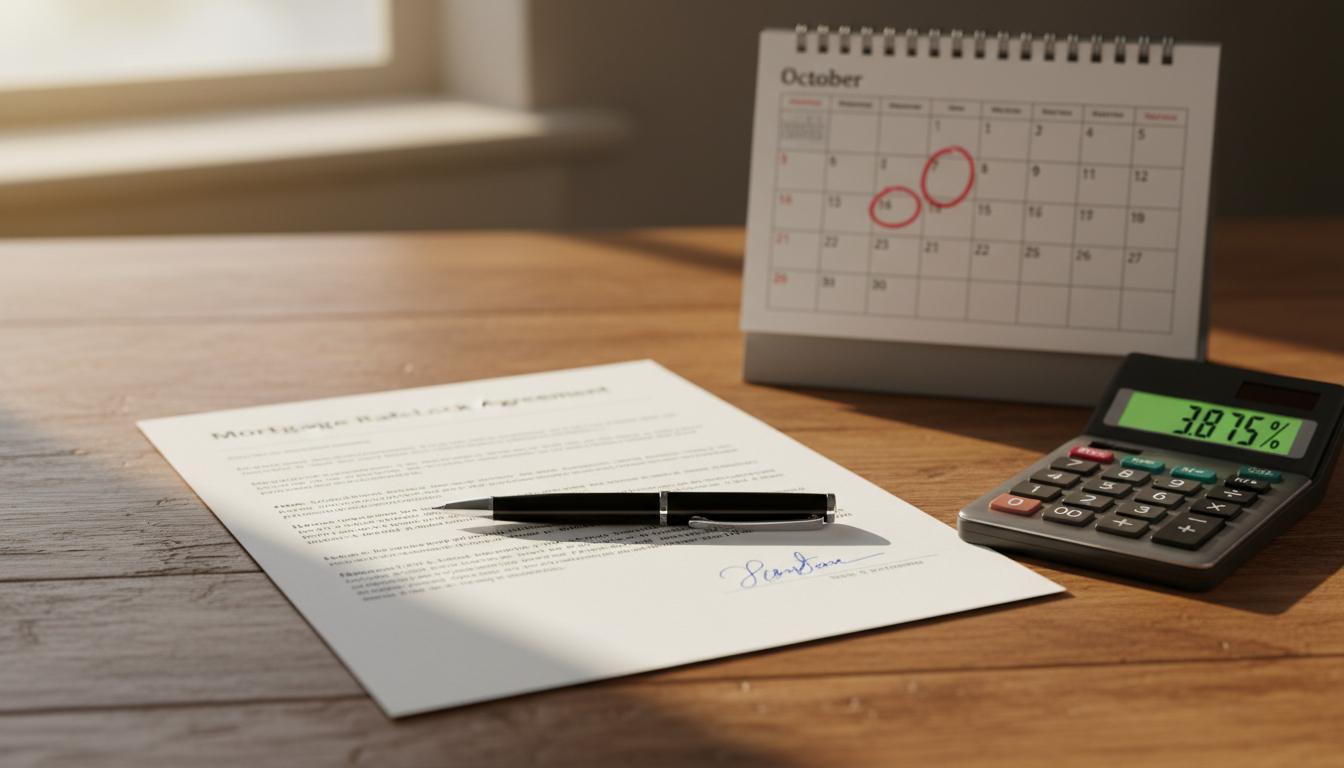
Your Rate Lock Is About to Expire Before Closing. Is Paying the Extension Fee Worth It?
Your closing slipped and the lender wants $700 to extend your rate lock. Here is when paying that fee beats floating and losing the rate entirely.
-

Finished Basement vs. Room Addition: Which Adds More Value Per Dollar?
A finished basement or a room addition? One is cheaper and recoups more, the other actually grows your home’s official size. Here is how to pick between them.
-

Does a Home Security System Actually Lower Your Insurance Bill? The Real Discount Math
That security-system insurance discount your agent mentioned is real, but it probably will not cover your monitoring bill. We break down what you actually save.
-

Can You Take Over a Seller’s 3% Mortgage? How Assumable Loans Actually Work
Inheriting a seller’s sub-4% loan sounds like free money. It can be, but only if you can cover their equity and stomach a slow approval. Here is the real math.
-

Home Warranty or Your Own Repair Fund? On a 15-Year-Old House, the $650-a-Year Question Has a Clear Winner
A warranty’s payout caps can turn an $8,000 AC into a $1,300 reimbursement. Here is when banking the premium yourself wins, and when the warranty still earns its keep.