
Homeowner guides for expensive decisions.
Practical answers before you refinance, file a claim, hire a contractor, replace a system, or sign a home warranty.
The decisions homeowners are facing now.
The tax credit is gone. What does a heat pump water heater actually cost now?
The payback math changed. Here is how to think about the upfront cost without the federal credit.
Read the guide → Home securityWhat does your monitoring contract really charge if you leave?
The fine print matters more than the headline monthly price.
Read the guide → Mortgage & HELOCShould you pay points or take the lender credit?
The break-even math is different for every loan and every rate quote.
Read the guide →Latest guides
-

Oregon Renters Can Deduct $6,285 a Year Before They Even Own a Home. Most Have Never Opened the Account.
A handful of states let renters deduct thousands a year from state taxes just for saving toward a down payment, as long as the money sits in the right kind of account.
-

A Bridge Loan to Buy Before You Sell Costs $3,330 More Than a Home Equity Line of Credit. The Fee Is the Reason, Not the Rate.
Buying a new home before your current one sells usually means choosing between a bridge loan, a HELOC, or a contingent offer. Here is what each one actually costs, worked out to the dollar.
-
Should You Repair It or Replace It?
When something in your home stops working properly, you usually have two choices. You can repair the problem or replace the system, material, or equipment. The right choice depends on cost, age, condition, and how long a repair is likely to last. If the problem is minor and everything else is in good condition, a…
-

The Home Warranty Paid $2,600 for a New Compressor. It Would Not Pay the $1,550 That Made the System Compatible.
A home warranty that approves your failed AC compressor claim can still leave the coil-and-refrigerant fix unpaid. Two providers’ own contracts show why, and what it costs.
-
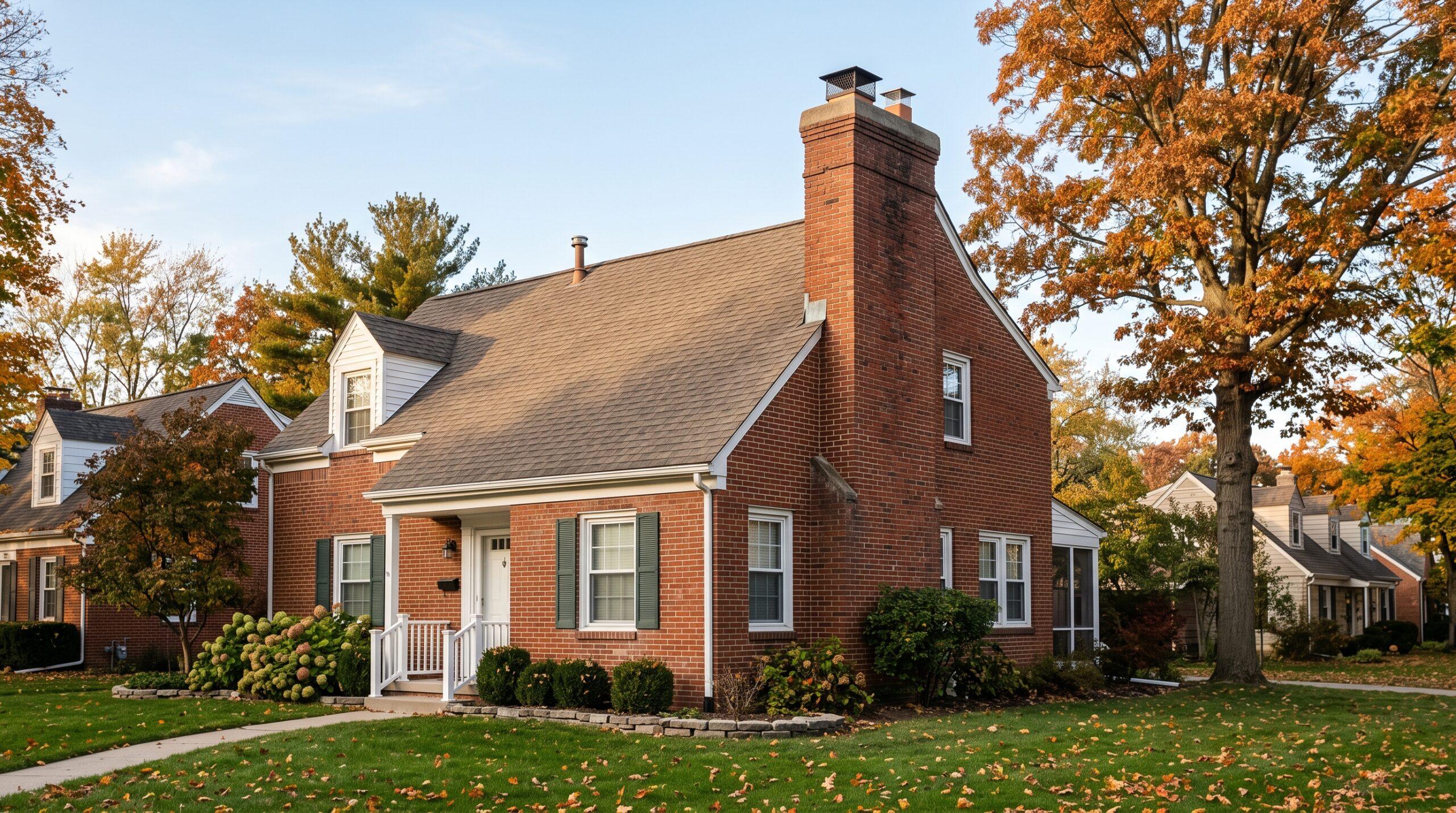
The Sweep Cost $254. The Camera Scan Found a Cracked Flue, and the Real Bill Was $3,450
A routine sweep and a real chimney inspection are not the same service, and the gap between them can turn a $254 visit into a repair bill running into the thousands.
-

She Put $45,000 Down on a $450,000 House. One Path Added a $253 Monthly Bill. The Other Was a Second Loan.
A second loan can replace your PMI bill, but it carries its own rate, its own payoff date, and its own paperwork the next time you refinance.
-

Two Water Claims Were Filed on the House Before She Ever Owned It. Her First Insurance Quote Landed 39% Higher Than the Listing Agent Promised.
A property’s insurance claims history follows the house through a sale. Most buyers never see it until their first quote comes back higher than the listing agent promised.
-

She Paid $1,850 in Rent on Time for Three Years. Her Mortgage File Almost Never Knew It.
A renter’s own on-time payments can strengthen a thin credit file inside Fannie Mae’s underwriting system, but only under specific conditions most renters never learn about.
-

The Federal Housing Administration’s Own Floor Is a 580 Credit Score. The Lender Who Turned Marcus Down at 612 Never Called It a Denial.
FHA’s published credit score minimum is 580. The bank that turned you down at 612 was enforcing its own private rule, not a federal one, and most buyers never find out.
-

He Spent $57,500 Finishing His Basement. The Appraisal Counted None of It as Gross Living Area.
Finishing a basement does not automatically add square footage to your appraisal. Here is what Gross Living Area actually counts, what makes a room a legal bedroom, and the real return on a basement conversion.
-

His Doorbell Camera Was Aimed at His Own Driveway. Its Microphone Reached 20 Feet Past the Property Line, Straight Onto His Neighbor’s Porch.
A doorbell camera aimed at your own driveway can still record more than you think. Here is where the legal line actually sits between the video and the audio track.
-

Her Refinance Cleared Underwriting in Eleven Days. It Sat Five More Weeks Waiting on a $60,000 Second Lien to Sign Off.
Refinancing your first mortgage while a home equity line of credit stays open requires your HELOC lender’s written approval, and that approval is not automatic. Here is what it actually costs, how long it takes, and what happens if the answer is no.
-

Her Home Warranty Denied the Air Conditioning Claim Over “Lack of Maintenance.” The One Receipt She Was Missing Would Have Paid for It.
A home warranty is a service contract, not insurance, and it can demand proof of maintenance before it pays. Here is what to keep, and what the caps actually are.
-

Florida Gives You 120 Days When Your Insurer Won’t Renew Over Old Pipes. Here Is How to Spend That Window.
The notice sets a clock the plumbing never did. Here is what Florida law requires, what a repipe actually costs, and how to spend the window before your policy ends.
-

Her Home Equity Line of Credit (HELOC) Payment Was $304 a Month for Ten Years. The Day the Draw Period Ends, It Jumps to $458 and She Never Borrowed Another Dollar.
A decade of interest-only HELOC payments ends the same way for almost everyone: a bigger bill. Here is the real math, the options, and how to decide before it hits.
-

The Notice Cited Her 16-Year-Old Roof as the Reason. In Florida, an Inspector’s Signature Can Make the Insurer Take It Back.
An inspection showing years of roof life left can cancel a Florida nonrenewal notice outright. In three other states, the identical letter has no rebuttal.
-

Her Appraisal Came In $19,000 Light After She Waived the Contingency. Government-Backed Loans Do Not Let Buyers Make That Choice At All.
Every waived contingency turns a possible bad outcome into a guaranteed one. Here’s the dollar figure behind earnest money, appraisal, and financing waivers.
-

Her Float-Down Fee Could Be $750 or $3,000 on the Same $300,000 Loan. Only One of Those Numbers Pays for Itself.
One lender’s float-down fee breaks even in 15 months. Another’s takes just over five years. The difference is the fee tier, not the rate drop.
-

The Basement Finish Cost $58,000 and Added No Above-Grade Square Footage. The Missing Permit Is a Second, Separate Problem.
Two different rules decide what your unpermitted basement finish is worth at resale, and only one of them is about the permit. Homeowners routinely blame the wrong one.
-

Google Ended Nest Secure Support and the Hardware Went Dark. Ask Which Radio the Sensors Speak Before You Ask What Monitoring Costs.
The monitoring contract is the part you can cancel. The panel screwed to your wall and the sensors on your window frames are the part that decides what happens when the company behind them exits.