
Homeowner guides for expensive decisions.
Practical answers before you refinance, file a claim, hire a contractor, replace a system, or sign a home warranty.
The decisions homeowners are facing now.
The tax credit is gone. What does a heat pump water heater actually cost now?
The payback math changed. Here is how to think about the upfront cost without the federal credit.
Read the guide → Home securityWhat does your monitoring contract really charge if you leave?
The fine print matters more than the headline monthly price.
Read the guide → Mortgage & HELOCShould you pay points or take the lender credit?
The break-even math is different for every loan and every rate quote.
Read the guide →Latest guides
-

Closing in December Versus January Adds $4,200 to $10,600 in Deductions, Still Well Under the $16,100 Standard Deduction
A year-end mortgage closing only moves your tax bill if your itemized deductions already beat the standard deduction. This walks through the math on points, prepaid interest, and property tax proration for a real loan.
-
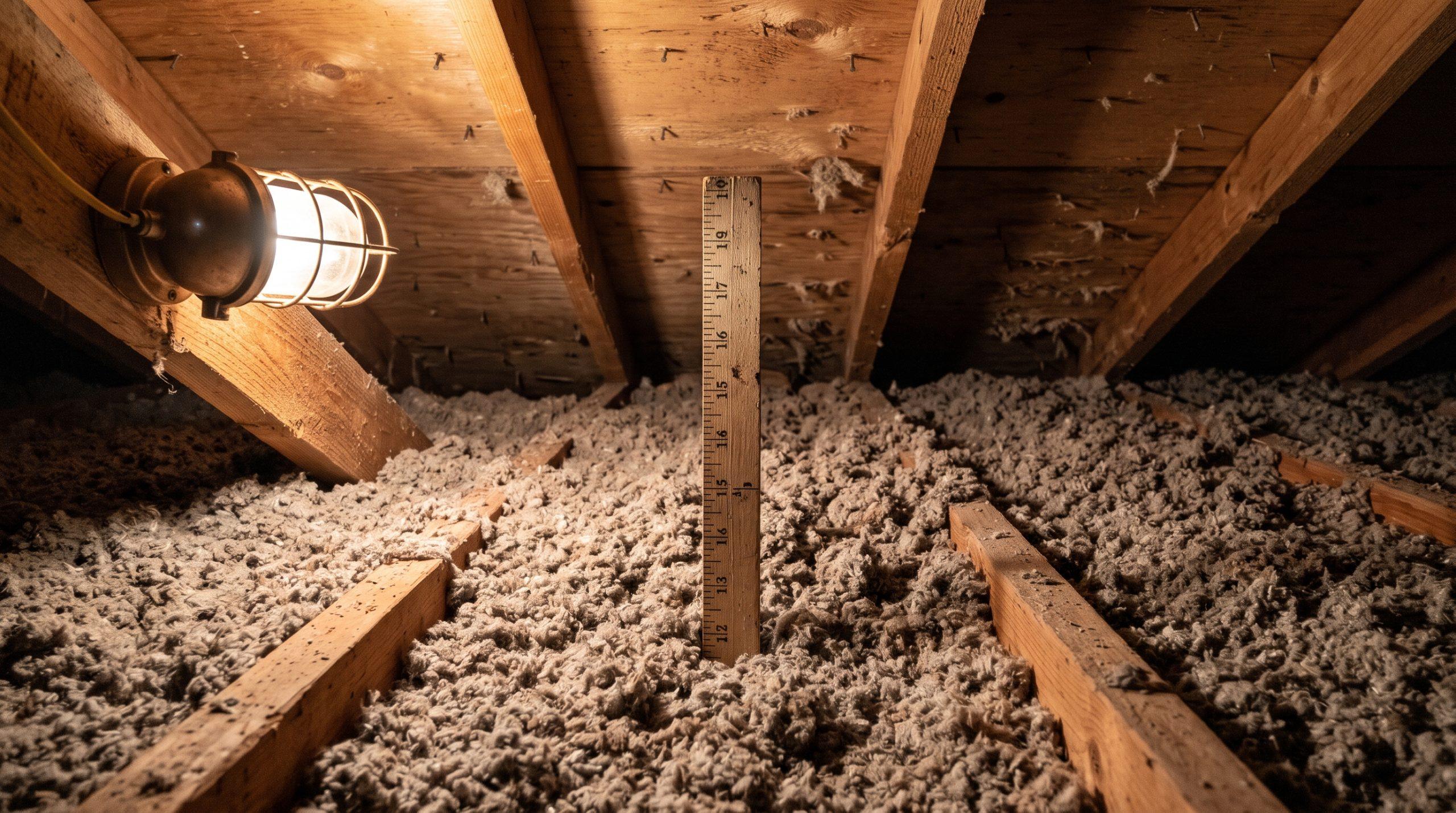
Your Attic Needs R-49 to R-60, Not R-38. A Real Top-Up Runs $2,500 to $4,400.
Before you add more insulation, find out the R-value your climate zone actually needs and whether the payback math makes topping up worth it this winter.
-
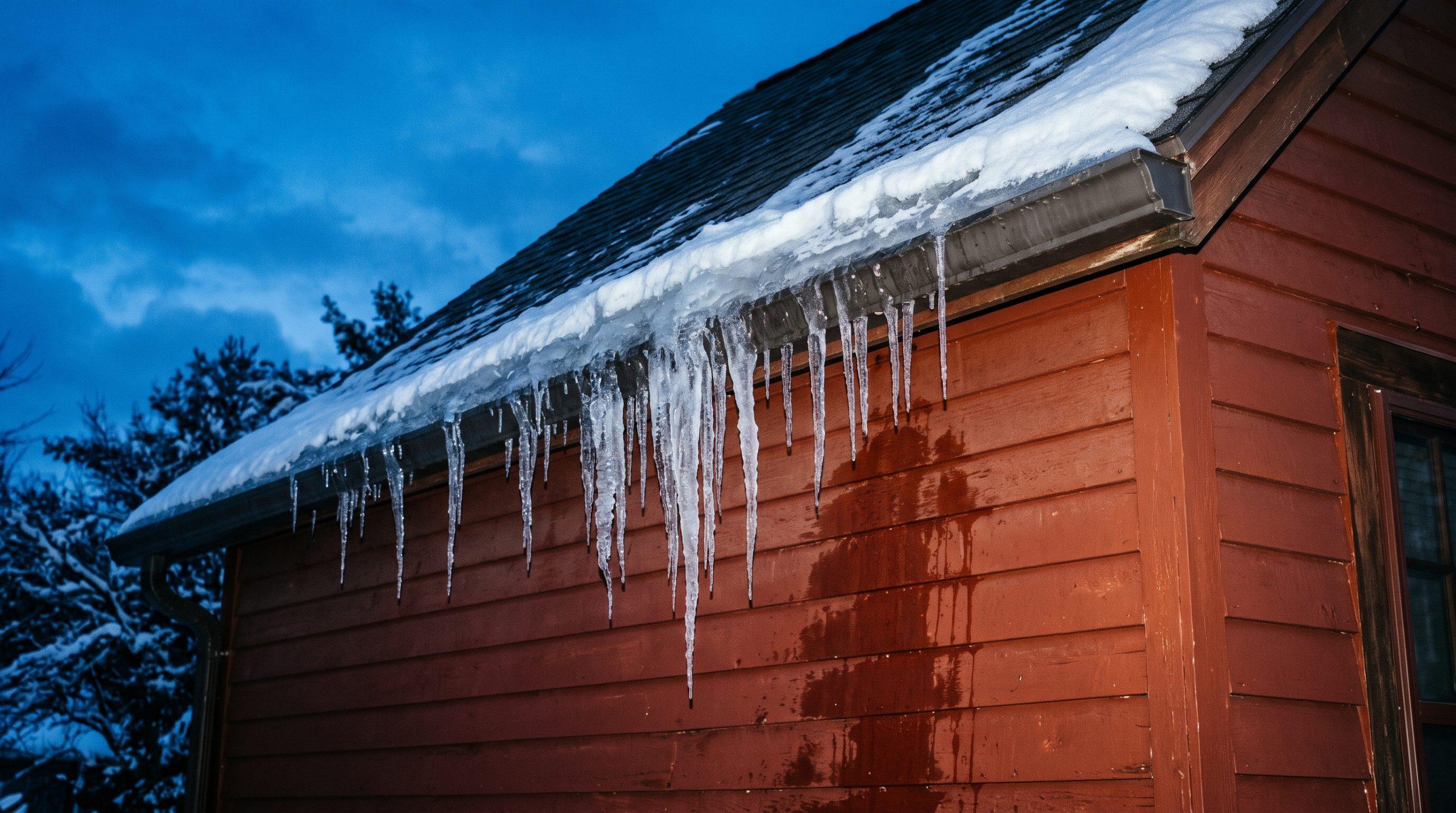
An Ice Dam Didn’t Cause Your Claim. The Water It Let In Did.
What a standard homeowners policy pays when an ice dam leaks into your home, what it almost never covers, and the attic fix that actually stops the cycle.
-

Your Property Tax Assessment Just Jumped. The Appeal Window May Only Be 25 Days.
The notice that raised your assessment also started a clock. Most homeowners have weeks, not months, to appeal it with real evidence.
-

Closing Up Your House for Winter Also Traps Radon Gas Inside. A $20 Test Is the Only Way to Know How Much.
A radon test kit costs about $20. EPA’s action level and the real cost of a fix are what you are actually deciding when the result comes back high.
-

Her Parents Wired $22,000 for the Down Payment. The Underwriter Still Wanted a Paper Trail.
FHA, conventional, and VA loans all allow a down payment gift, but they disagree on who can give it and exactly what the paperwork has to show.
-

Putting Your House in a Living Trust Looks Like a Transfer. A 1982 Federal Law Says Your Lender Can’t Call the Loan Over It.
A living trust transfer looks exactly like a sale to your mortgage servicer. One 1982 federal law says it isn’t, as long as you meet two specific conditions.
-
Planning a Home Improvement Project?
From home repairs and upgrades to potential financing options, discover ways to make your next home project more manageable. Owning a home comes with ongoing responsibilities, and keeping up with repairs, maintenance, and improvements can become expensive. Whether you’re considering a new roof, replacing outdated windows, upgrading your heating and cooling system, or tackling a…
-
Explore Cash Rewards, Sign-Up Bonuses Opportunities
Finding additional ways to make your money go further can make a difference, especially as everyday expenses continue to add up. Many financial service providers offer promotional rewards, welcome bonuses, and other incentives to encourage new customers to explore their services. Depending on the offer, eligible individuals may have opportunities to receive $100, $200, $300…
-

The Thermostat Was Set to 50. The Insurer Called That Not Enough.
Three sources agree on one number for a house left empty in winter. Below it, your frozen-pipe claim may not be covered at all.
-
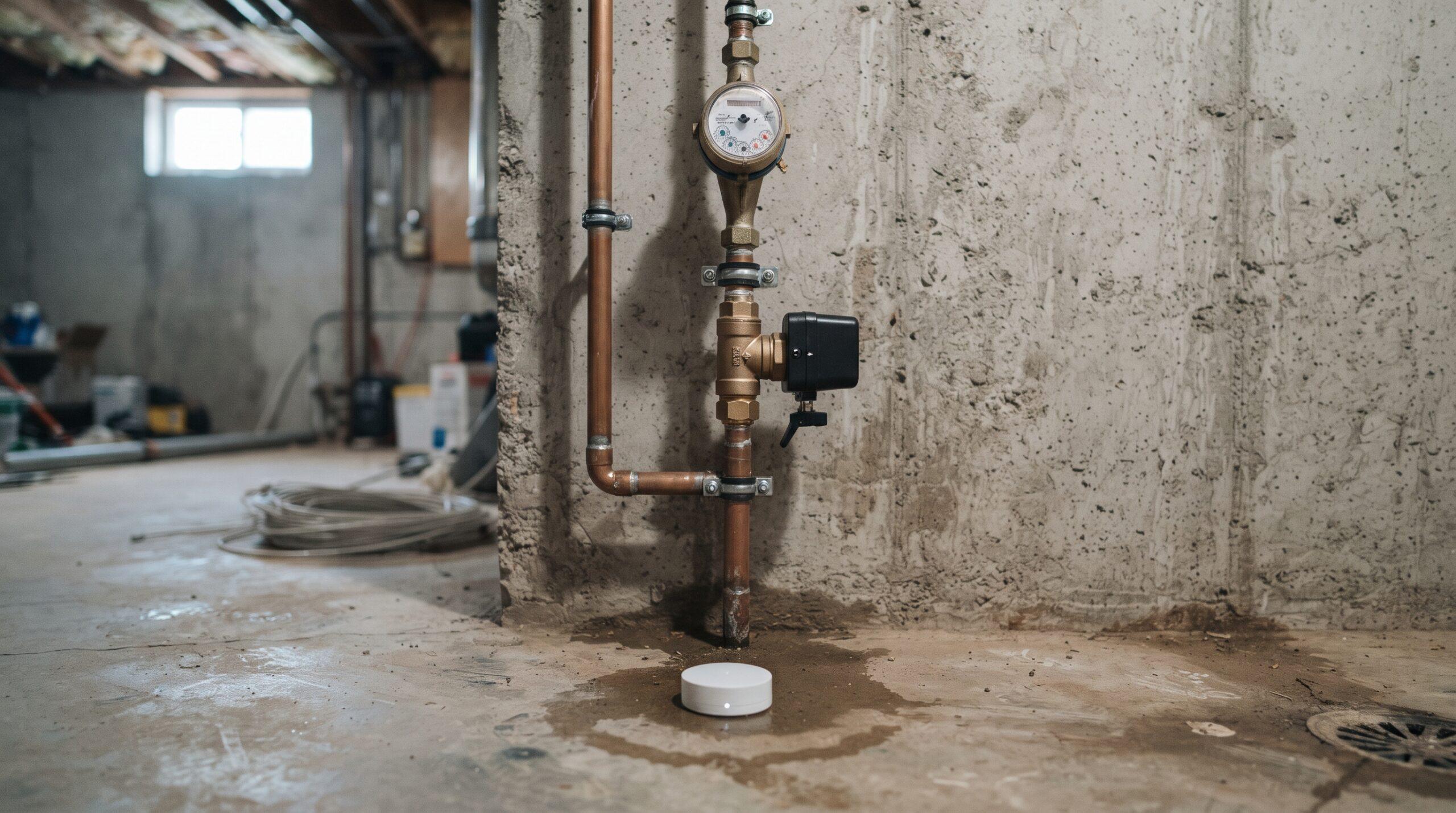
A Smart Shutoff Valve Costs About $1,000 Installed. The Average Water Claim It Stops Runs $15,400.
The device costs less than a tenth of the average water-damage claim. This breaks down what it actually buys you, and what your insurer will and won’t pay for.
-

Mortgage Forbearance Paused $11,382 in Payments. Four Repayment Paths Exist, and Picking the Wrong One First Costs Months.
Forbearance pauses the payment, not the debt. The four repayment paths work very differently, and a worked example on a real loan balance shows why.
-

A Home Equity Investment Pays You $50,000 Today With No Monthly Bill. Federal Regulators’ Own Numbers Show the Payback Can Run Past $800,000.
A home equity investment trades a lump sum today for a share of your home’s future value. Federal regulators’ own numbers show what you would owe back, and who it fits.
-

The Pipe Breaks Between Your House and the Street. Which Plan Pays: $8.49 a Month or Your Homeowners Policy?
The pipe between your house and the street has two separate protection products competing for the same claim. See how they actually compare.
-

She Sold a House in the Divorce 26 Months Ago. Federal Rules May Already Call Her a First-Time Buyer.
Owning a home before does not automatically disqualify you from first-time buyer programs. The three-year lookback has real exceptions.
-

A $60,000 Home Equity Line Funds a Kitchen and Pays Off a Card. Only Part of the Interest Is Deductible.
A HELOC’s interest is only deductible on the share of the draw spent on the home that secures it. The IRS test and a worked split example, explained.
-
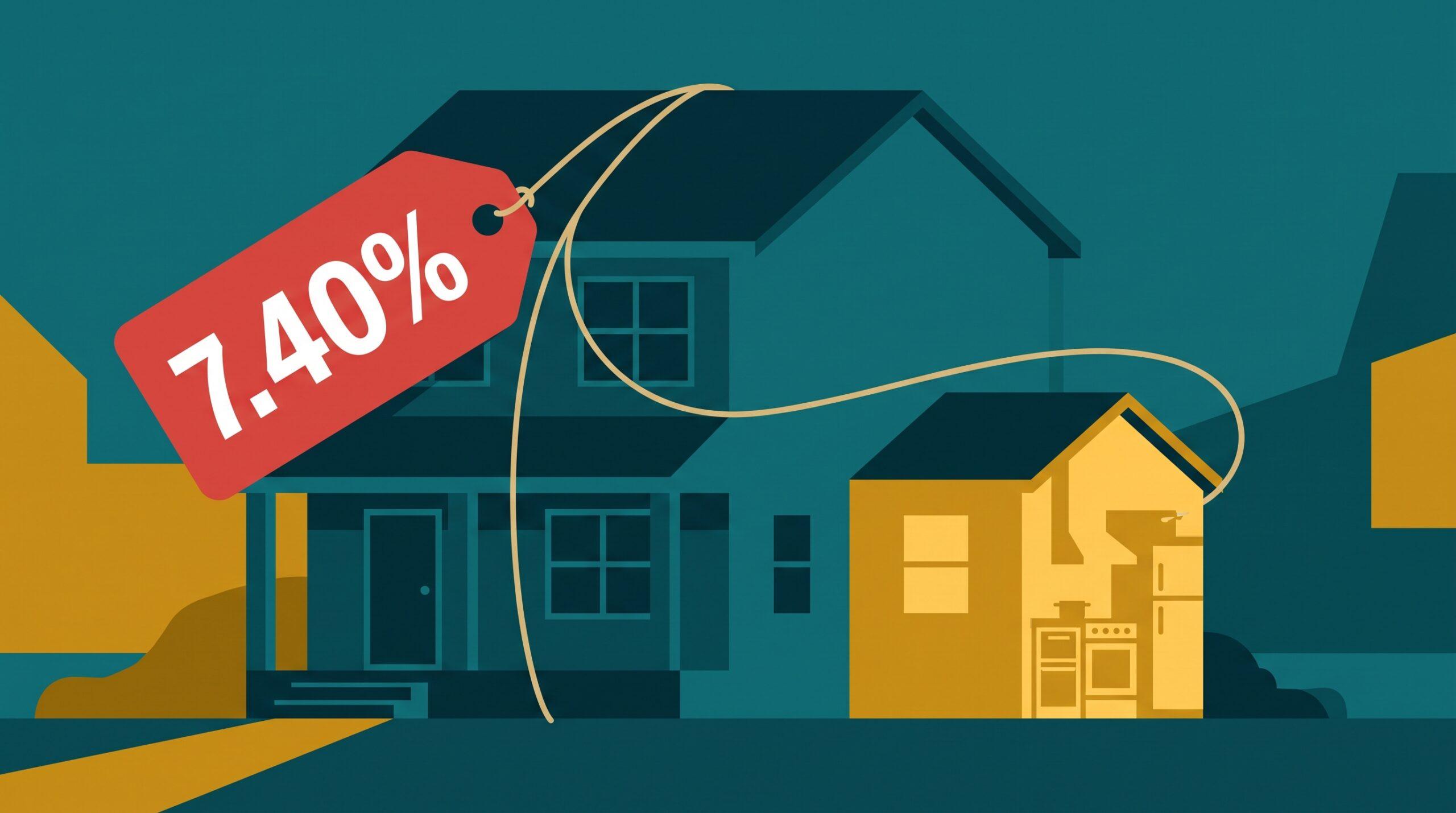
A $40,000 Kitchen Needs Financing. A Cash-Out Refinance Would Reset a 3.25% Mortgage to 7.40%.
A cash-out refinance for a home project reprices your entire mortgage balance at today’s rate, not just the new money. A worked example compares that cost against a HELOC, which borrows only what you need.
-

The Air Conditioner Failed in February. The Water Heater Failed in August. The Service Fee Hit Twice.
A home warranty’s service call fee is not an annual charge. It is a per-system charge. See what that actually costs when two unrelated systems fail in the same year.
-
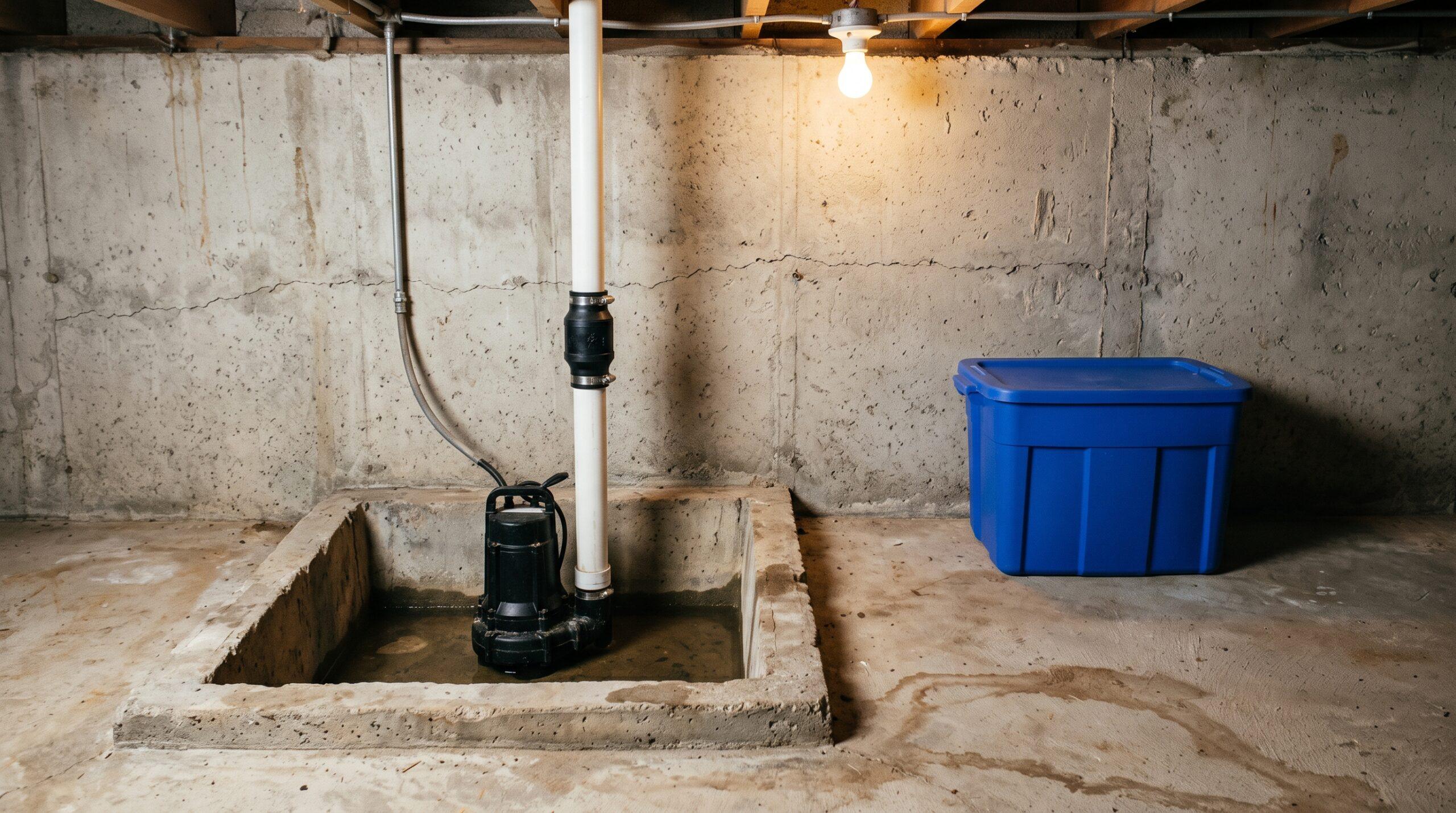
Your Sump Pump Is 9 Years Old and Still Works. One Insurance Question Decides If Replacing It Now Is Worth It
A working sump pump isn’t automatically a safe one to leave alone. Its age and your water-backup coverage limit decide whether replacing it now is worth it.
-
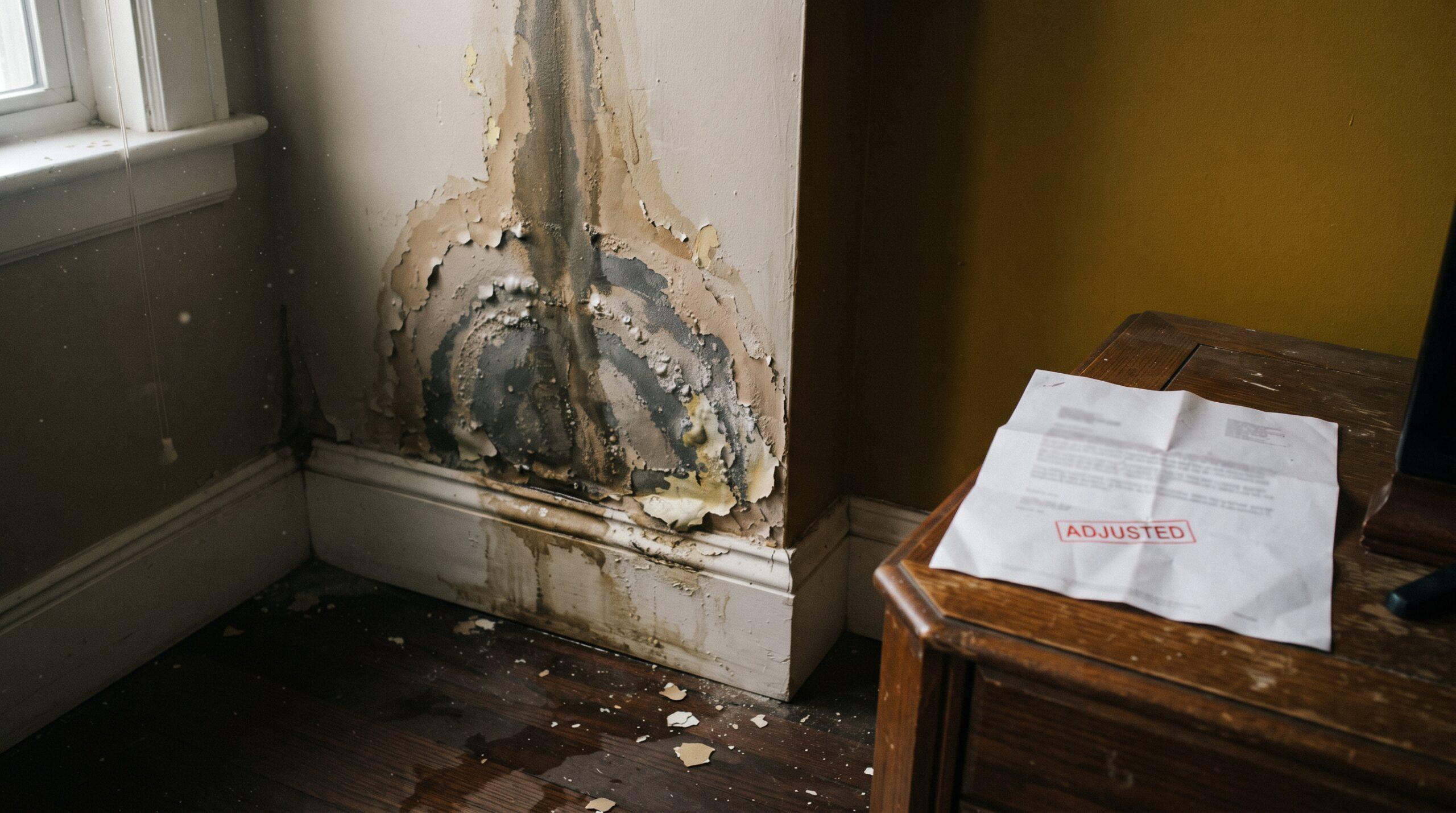
She Was $100,000 Short of the 80% Minimum. Her $60,000 Claim Paid $44,000.
Carrying dwelling coverage below 80 percent of your home’s full rebuild cost does not just raise your risk on a total loss. It can shrink an ordinary partial-loss payout by thousands, using a formula few homeowners have ever seen applied.